 KPMI


Articles
- Page Path
- HOME > J Powder Mater > Volume 33(5); 2026 > Article
-
Research Article
- Effect of Low-Oxygen Atmosphere Sintering on TiO2 Powder Photoanodes for Fiber-Shaped Dye-Sensitized Solar Cells toward Carbon-Based Electrode Integration.
- Yeonggwon Kim1, Chae Young Woo2,3, Sung Min Kim1, Jiseong Park1, Yongseon Jeong1, Dabin Chun4, Seungfeel Jeong5, Hyung Woo Lee1,2,3,5,*
-
Journal of Powder Materials 2026;33(5):338-347.
DOI: https://doi.org/10.4150/jpm.2026.00241
Published online: October 31, 2026
1Department of Nano Fusion Technology, Pusan National University, Busan 46241, Republic of Korea
2Humanoid Olfactory Display Innovation Research Center, Pusan National University, Busan 46241, Republic of Korea
3Research Center of Energy Convergence Technology, Pusan National University, Busan 46241, Republic of Korea
4Department of Nanoenergy Engineering, Pusan National University, Busan 46241, Republic of Korea
5Advanced Energy Major, School of Transdisciplinary Engineering, Pusan National University, Busan 46241, Republic of Korea
- *Corresponding author: Hyung Woo Lee E-mail: LHW2010@pusan.ac.kr
© The Korean Powder Metallurgy & Materials Institute
This is an Open Access article distributed under the terms of the Creative Commons Attribution Non-Commercial License (http://creativecommons.org/licenses/by-nc/4.0/) which permits unrestricted non-commercial use, distribution, and reproduction in any medium, provided the original work is properly cited.
- 20 Views
- 2 Download

Abstract
- Motivated by the goal of achieving high-temperature photoanode processing compatible with carbon-based current collectors, this study investigates the effect of sintering atmosphere on Ti wire/TiO2 photoanodes for fiber-shaped dye-sensitized solar cells. Photoanodes sintered under conventional air (Air) and a custom low-oxygen condition (LO, continuous Ar flow under reduced pressure at 500 °C) were compared, along with a subsequent low-temperature air-annealing treatment (LO-A). X-ray diffraction (XRD) and scanning electron microscopy (SEM) revealed no substantial difference between Air and LO, whereas X-ray photoelectron spectroscopy (XPS) showed a marked increase in reduced Ti species (Ti3+, Ti2+) and an approximately twofold higher C 1s signal for LO, accompanied by significantly reduced N719 dye adsorption. LO photoanodes exhibited short-circuit-like device behavior, precluding reliable photovoltaic characterization. Although LO-A eliminated this short-circuit behavior and largely restored dye adsorption, photovoltaic performance remained severely suppressed, and electrochemical impedance spectroscopy revealed an approximately 500-fold increase in photoanode-related charge-transfer resistance relative to Air. These results indicate that dye-anchoring capacity and interfacial charge-transfer resistance are governed by at least partially distinct factors, possibly involving reduced Ti species, carbon residue, and leakage paths, whose contributions were not separated, and that low-temperature annealing alone is insufficient to restore the photoelectrochemical functionality compromised by LO sintering.
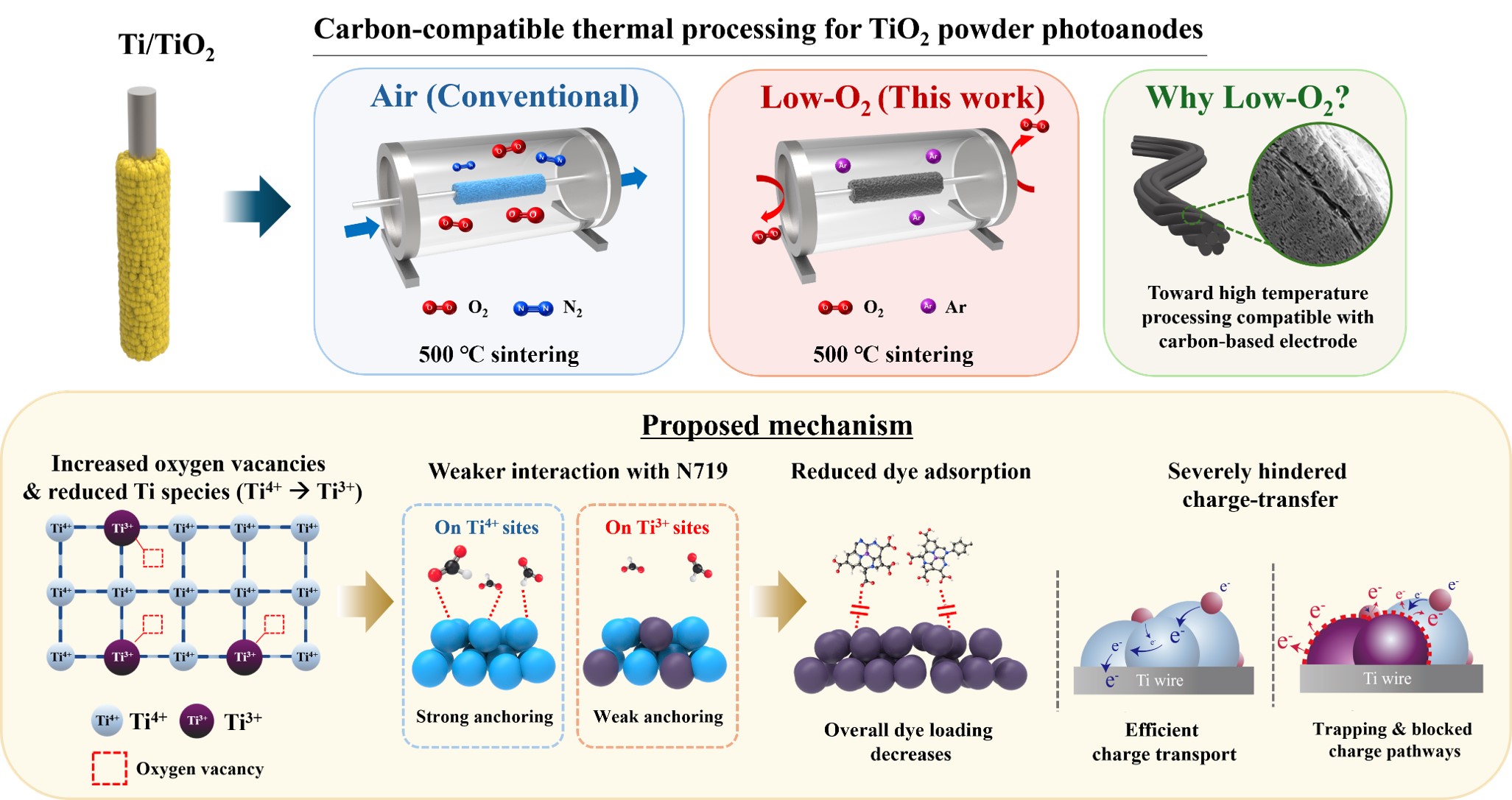
- Graphical illustration of low-oxygen atmosphere sintering effects on TiO2 powder photoanodes for carbon-compatible fiber-shaped dye-sensitized solar cells
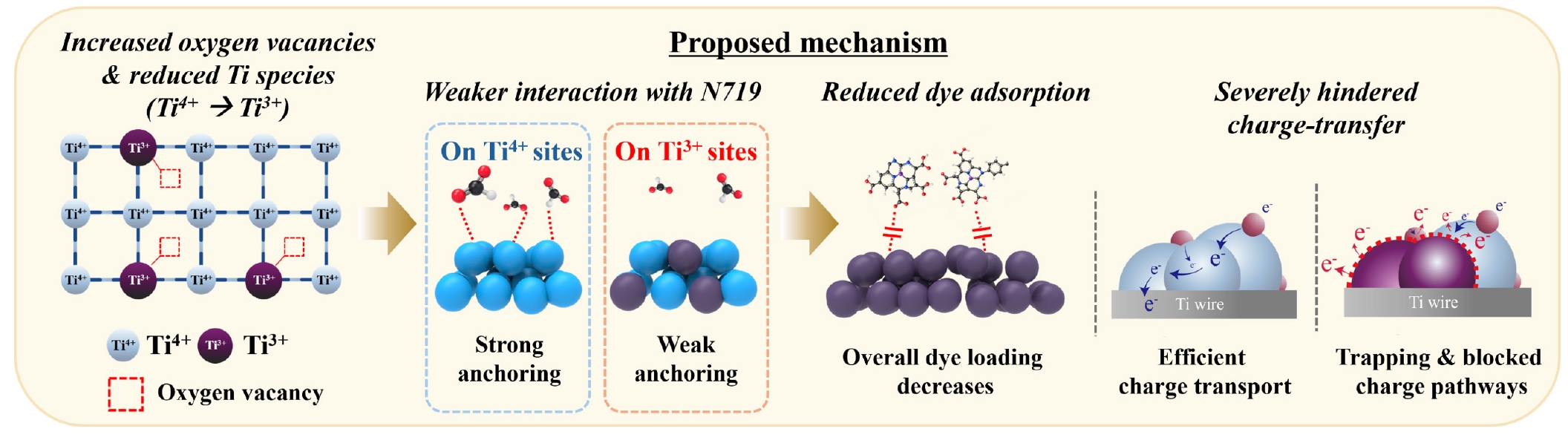
- This study proposes that low-oxygen (LO) sintering of TiO2 photoanodes promotes Ti4+ → Ti3+ reduction and oxygen vacancy formation at the TiO2 surface. The resulting Ti3+ sites are proposed to bind the N719 dye more weakly than Ti4+ sites, reducing overall dye loading and hindering charge transfer at the photoanode.
Graphical abstract
- Dye-sensitized solar cells (DSSCs) have attracted sustained attention as a low-cost, solution-processable photovoltaic technology, owing to their relatively simple fabrication and compatibility with flexible substrates [1-3]. In its conventional configuration, a DSSC is fabricated on a planar transparent conductive glass substrate, on which a dye-sensitized mesoporous TiO2 photoanode and a counter electrode (CE) are assembled face-to-face with a liquid electrolyte containing an iodide/triiodide redox couple sandwiched between them [3, 4].
- Beyond the conventional planar configuration on rigid glass substrates, fiber- or wire-shaped DSSCs (FDSSCs) have been developed as a means of extending DSSC technology toward flexible, lightweight, and weavable power sources for wearable and portable electronics [5, 6]. In this configuration, the photoanode and CE are arranged around a fibrous or wire-type substrate, and metal wires [7, 8], carbon-based fibers [9, 10], and optical fibers [11] have been investigated.
- Within FDSSCs, carbon-based materials have played an increasingly important role as electrode components. Carbon nanotubes (CNTs), in particular, have been widely investigated as low-cost, Pt-free CEs owing to their catalytic activity and flexibility [12-16], and more recently as current collectors for the photoanode itself [17, 18].
- In either configuration, however, the TiO2 layer on the photoanode requires a high-temperature sintering step to achieve its functional properties. This treatment removes residual organic binder, promotes interparticle necking, and establishes good electrical contact both among particles and with the substrate, all of which are essential for efficient electron transport and charge collection [19]. Conventionally, this sintering step is carried out in air at temperatures around 450–500 °C [20, 21].
- This high-temperature, oxygen-rich sintering condition, while well suited to conventional metal substrates, is difficult to reconcile with the use of carbon-based electrode materials, which are prone to oxidative degradation in hot, oxygen-containing atmospheres [22]. This constraint applies not only to carbon-based CEs but, more critically, to carbon-based current collectors for the photoanode, since in this case the carbon substrate would need to withstand direct thermal contact with the TiO2 sintering process itself. Realizing carbon-compatible photoanode processing therefore requires an alternative sintering strategy capable of achieving adequate TiO2 crystallization and interparticle connectivity while limiting the oxygen exposure, for instance, sintering under a low-oxygen or inert atmosphere.
- To circumvent this high-temperature requirement, alternative low-temperature TiO2 processing routes have been reported, including chemical sintering [23], UV/ozone surface treatment [24] and custom sol-gel-derived TiO2 pastes formulated with binder or additive systems designed to achieve interparticle connectivity at reduced temperatures [25, 26]. While effective in specific laboratory settings, such approaches typically rely on customized synthesis protocols that can introduce batch-to-batch variability and are not readily scalable to larger-area processes. In this study, we instead retain a widely used commercial TiO2 paste, which offers established reproducibility and compatibility with existing DSSC workflows, but requires the conventional high-temperature sintering. This choice shifts the central challenge from TiO2 synthesis toward the sintering process itself—specifically, how the atmosphere of this otherwise standard high-temperature treatment can be modified to accommodate carbon-based electrode components without departing from established, readily available TiO2 materials.
- In this study, we investigate the effect of such a low-oxygen sintering atmosphere on the structural, surface-chemical, and photoelectrochemical properties of TiO2 photoanodes. As a first step, we employ a conventional Ti wire substrate rather than a carbon-based one, to isolate the intrinsic effect of the sintering atmosphere on the TiO2 layer from substrate-related factors, before extending the approach to carbon-based fibrous substrates. Separately, the sintering atmosphere is known to influence the defect chemistry of TiO2 [27, 28], yet its device-level consequences—particularly on dye adsorption and photovoltaic performance in wire/fiber-type photoanodes—remain insufficiently characterized. We therefore compare Ti wire/TiO2 photoanodes sintered under conventional air (Air) and a custom low-oxygen condition (LO, continuous Ar flow under reduced pressure at a nominal temperature of 500 °C), and further examine whether a subsequent low-temperature air-annealing step (LO-A) can recover the properties altered by LO treatment. The resulting photoanodes are characterized by X-ray diffraction (XRD), scanning electron microscopy (SEM), X-ray photoelectron spectroscopy (XPS), Fourier-transform infrared spectroscopy (FT-IR), UV–Vis analysis of residual dye solutions, current density–voltage (J–V) measurements, and electrochemical impedance spectroscopy (EIS). Rather than demonstrating a fully realized carbon-compatible route, this work aims to clarify how the sintering atmosphere governs the surface chemistry and photoelectrochemical function of TiO2 photoanodes, providing a basis for evaluating the feasibility and limitations of LO processing toward future carbon-compatible photoanode fabrication.
1. Introduction
- 2.1 Photoanode fabrication
- Titanium (Ti) wire (Alfa Aesar, 250 μm in diameter, 60 mm in length) was sequentially sonicated in deionized water, acetone, and isopropyl alcohol (IPA) for 10 min each to remove surface contaminants. After drying in a furnace at 120 °C for 3 min, a compact TiO2 underlayer was formed on the Ti wire by applying a 1.5 A electric current for 10 s (Joule heating), as in our previous work [14]; the temperature and thickness of this layer could not be measured because of the thin wire diameter. A mesoporous TiO2 layer was subsequently built up by dip-coating the wire in a 1:1 (v/v) mixture of TiO2 paste (Sigma-Aldrich, product no. 791547) and ethanol, with each coating cycle followed by drying at 120 °C for 3 min; this dip-coating/drying sequence was repeated four times to obtain a mesoporous layer approximately 20 μm thick on each side of the wire (≈40 μm in total).
- The dip-coated wires were then placed in a quartz tube chamber (approximately 60 mm in diameter and 1,000 mm in length) and subjected to three different thermal treatments. For the Air condition, wires were sintered at 500 °C for 30 min with the chamber vent open to ambient air. For the LO condition, wires were sintered at 500 °C for 30 min while the chamber was continuously evacuated (vacuum gauge reading of approximately 0.1 MPa below atmospheric pressure, i.e., −0.1 MPa gauge) and simultaneously purged with Ar flow (50 sccm); pumping was maintained throughout the treatment to sustain a LO atmosphere. For the LO-A condition, LO-treated wires were subsequently annealed at 300 °C for 3 h under static ambient air, without evacuation and with the vent valve open. Following sintering, the photoanodes were sensitized by immersing the TiO2-coated Ti wires in a 0.3 mM N719 dye (Sigma-Aldrich) solution in ethanol for 12 h.
- 2.2 Device assembly
- After rinsing the photoanode with ethanol, the Pt CE was assembled onto the photoanode. Pt spring electrodes (iNexus, 127 μm in diameter) were first formed on an acrylic rod and stretched to a fixed extension prior to assembly; the pre-stretched spring was then transferred onto the photoanode surface to achieve close contact while minimizing mechanical contact damage to the TiO2 coating. The assembled photoanode/CE structure was inserted into a transparent PTFE tube, filled with a liquid electrolyte (EL-HPE, Sigma-Aldrich), and sealed at both ends with UV-curable resin to complete the FDSSC. The active area of each device was defined as the product of the Ti wire diameter and the length of the region where the TiO2 layer, N719 dye, CE, and electrolyte overlapped, giving an active area of 0.1 cm2.
- 2.3 Characterization
- The crystal structure of the TiO2-coated Ti wires was analyzed by XRD (MiniFlex II, Rigaku) using CuKα radiation (λ = 1.5406 Å) at 30 kV and 15 mA. Patterns were collected in continuous scanning mode over a 2θ range of 10–80° with a step width of 0.05°. The morphology of the TiO2-coated Ti wires was examined using field-emission SEM (FE-SEM, Supra 25, ZEISS). FT-IR spectra were obtained in attenuated total reflectance (ATR) mode using a Nicolet iS50 FT-IR spectrometer (Thermo Fisher Scientific) over a wavenumber range of 4,000–400 cm-1. The surface chemical states of Ti and C were analyzed by XPS (AXIS Supra, Kratos) using a monochromatic Al Kα source (1,486.6 eV); all binding energies were calibrated against the C 1s peak at 284.8 eV. The Ti 2p spectra were deconvoluted into Ti⁴⁺, Ti³⁺, and Ti²⁺ components using CasaXPS software. To quantify the amount of dye adsorbed onto the TiO2 photoanodes, ten TiO2-coated wires sintered under each condition (Air, LO, or LO-A) were simultaneously immersed in a shared 3 mL aliquot of the 0.3 mM N719 dye solution in ethanol for 12 h. Following immersion, a 1 mL aliquot of the resulting solution was withdrawn and transferred to a quartz cuvette for UV–Vis measurement. The absorbance of this residual solution was compared with that of a reference solution (the same 0.3 mM N719 dye solution prior to immersion) using a UV–Vis spectrophotometer (Evolution 300, Thermo Fisher Scientific); a lower residual absorbance indicates greater dye uptake by the photoanodes.
- The photovoltaic performance of the FDSSCs was evaluated using a solar simulator (San-EI Electric) under simulated AM 1.5G illumination at 100 mW cm-2. EIS was performed under 1 sun illumination (AM 1.5G, 100 mW cm-2) using a two-electrode configuration with a potentiostat (ZIVE SP1, WonATech) over a frequency range of 100 kHz to 0.1 Hz at 0 V DC bias with an AC amplitude of 100 mV; the reference and CE leads of the potentiostat were connected to the CE of the FDSSC, and the working-electrode lead was connected to the photoanode. The measured spectra were fitted to an equivalent circuit consisting of a series resistance (RS) in series with two constant phase element (CPE) parallel units, RS + (RCE||CPE1) + (RCT||CPE2), where RCE and RCT represent the CE/electrolyte and photoanode/electrolyte charge-transfer resistances, respectively, using ZMAN software (WonATech).
2. Experimental Section
- 3.1 Structural characterization
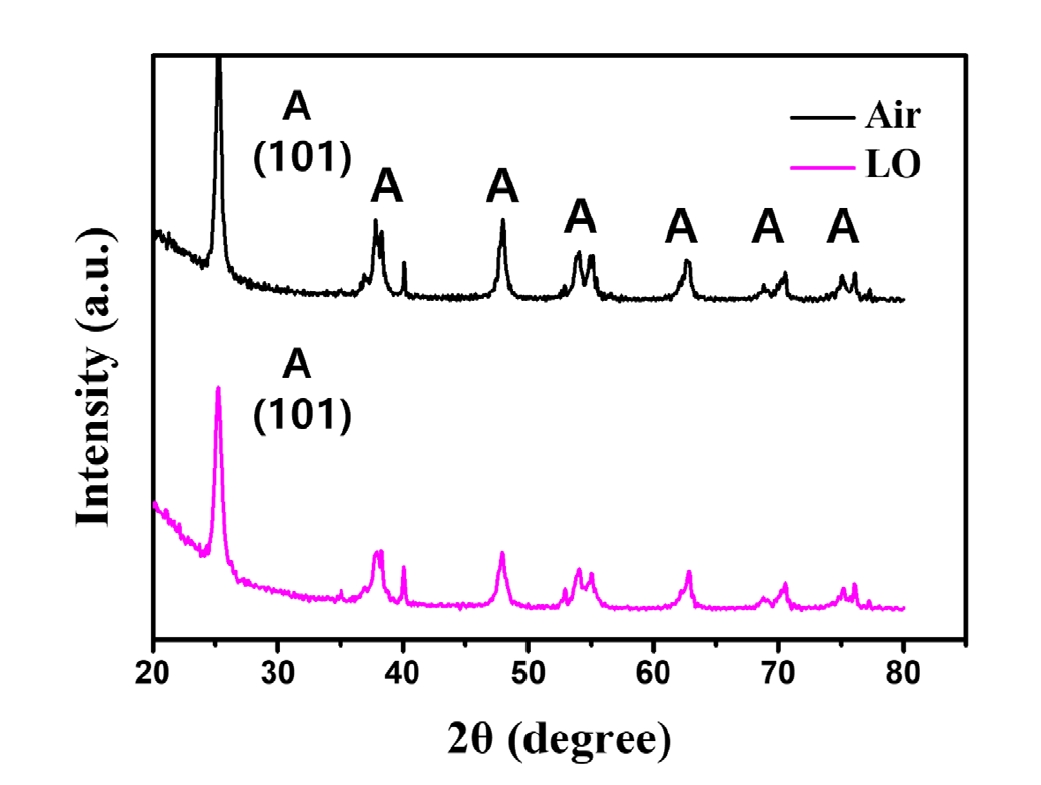
- Fig. 1 presents the XRD patterns of TiO2 photoanodes sintered under air and LO atmospheres. Both samples exhibit diffraction peaks characteristic of the anatase phase, including the (101) reflection, with no additional peaks attributable to rutile or other crystalline phases [29]. The overall peak positions and relative intensities are visually comparable between the two conditions, suggesting that the sintering atmosphere does not induce an appreciable change in the crystalline phase of TiO2.
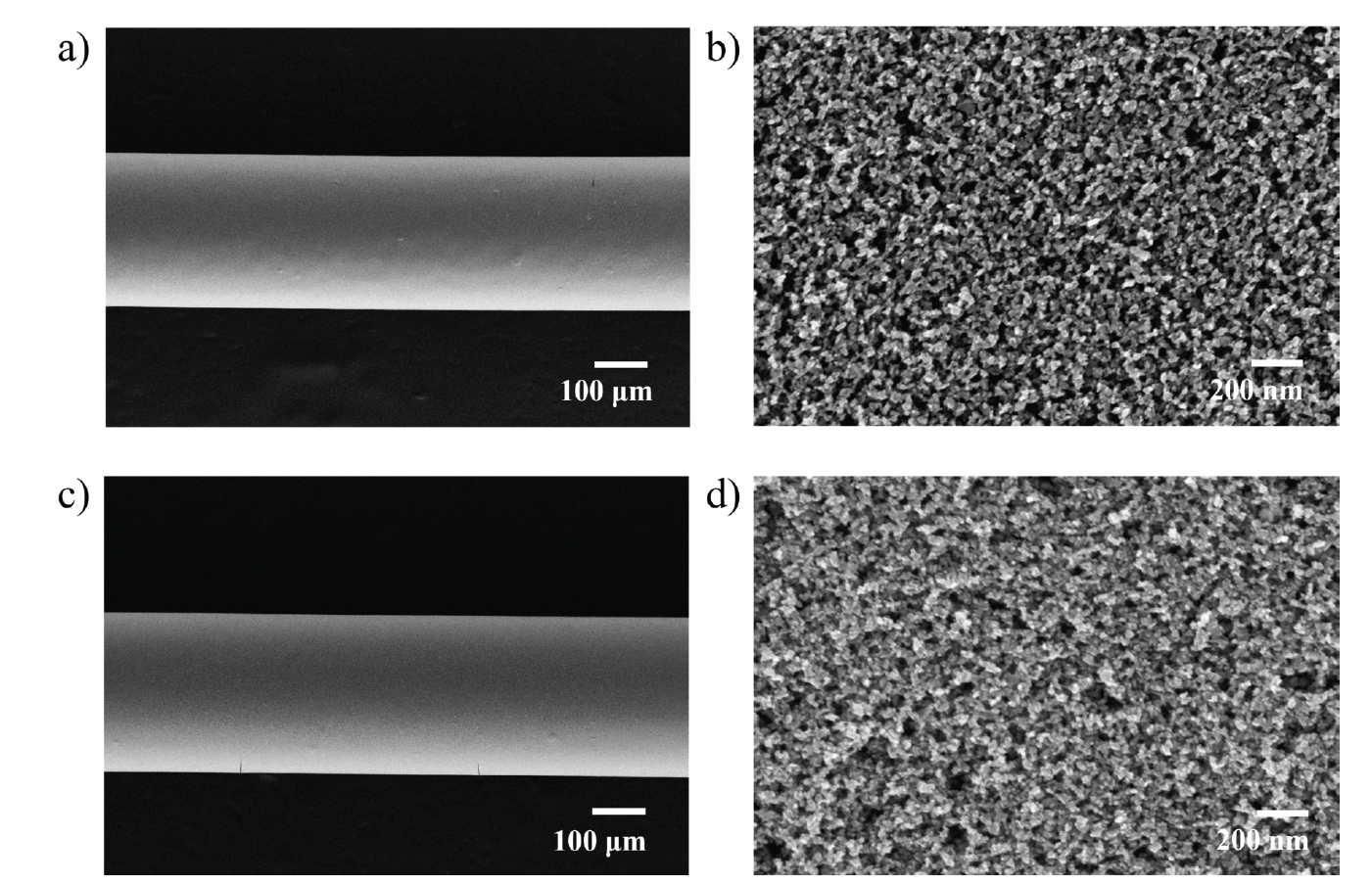
- The surface morphology of the photoanodes was further examined by SEM (Fig. 2). At low magnification, both Air and LO wires exhibit a uniform, continuous TiO2 coating with no obvious macroscopic defects such as delamination or large-scale cracking (Fig. 2a, c). At higher magnification, both samples display a comparable granular nanostructure composed of densely packed TiO2 nanoparticles, and no discernible difference in particle packing density or interparticle contact (Fig. 2b, d). These observations indicate that, within the resolution of SEM imaging, the LO sintering condition does not produce a visibly distinct microstructure relative to conventional air sintering.
- 3.2 Surface chemical characterization
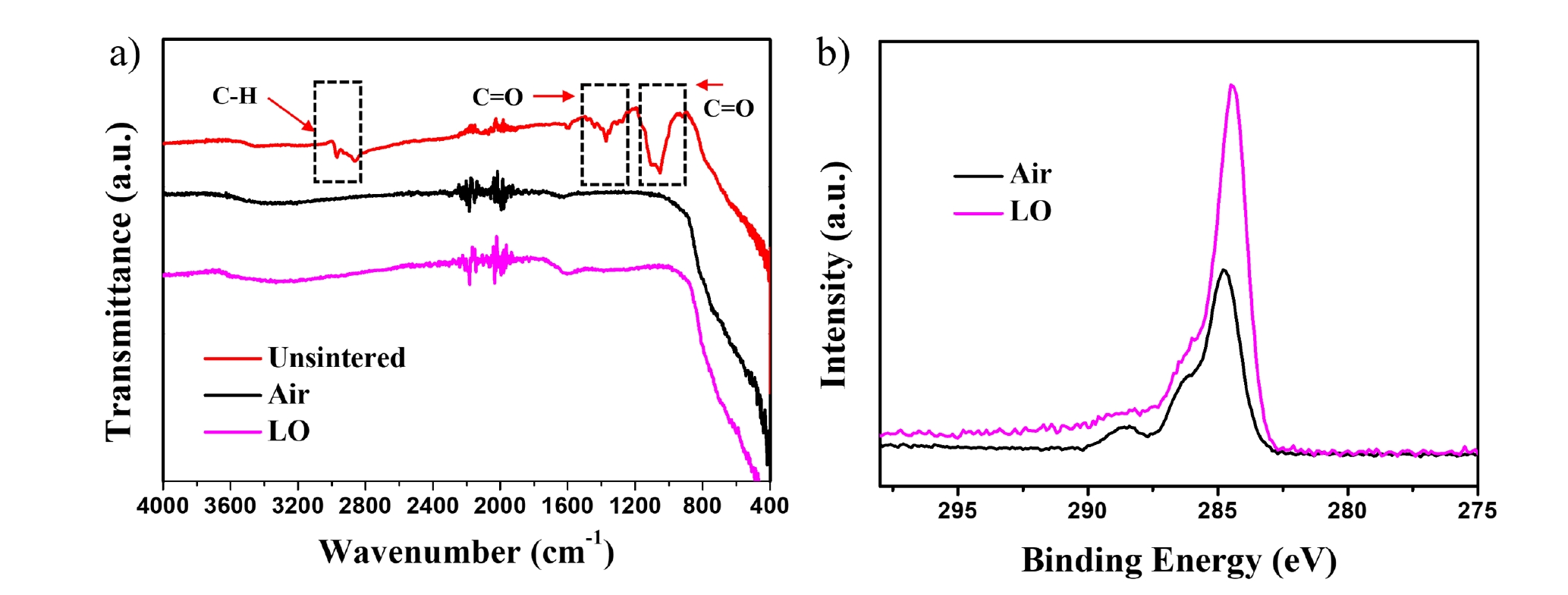
- To assess whether the LO sintering condition compromised the removal of residual organic binder from the as-coated TiO2 layer, FT-IR spectra were collected for the unsintered, Air, and LO photoanodes (Fig. 3a). The unsintered sample exhibits absorption bands associated with C–H and C=O vibrations, consistent with residual organic components in the as-coated TiO2 paste [30]. Following sintering, these bands are markedly diminished for both the Air and LO conditions, and no substantial difference is observed between the two sintered samples. This indicates that organic species bearing these functional groups are removed to a comparable extent under both atmospheres. However, FT-IR is poorly sensitive to amorphous or graphitic carbon, which can form when organic binders pyrolyze under non-oxidizing conditions; the presence of carbonaceous residue in the LO sample therefore cannot be excluded on the basis of FT-IR alone.
- To probe such carbon-related species, the C 1s spectra of the Air and LO samples were compared (Fig. 3b). The LO sample exhibited a C 1s peak intensity approximately twice that of the Air sample, indicating a larger amount of surface carbon after LO sintering. Because adventitious carbon also contributes to the C 1s signal, this difference cannot be unambiguously attributed to carbon originating from the organic binder, and the comparison should be regarded as semi-quantitative. Nevertheless, the pronounced difference between the two samples suggests that carbonaceous residue may remain at the surface of the LO photoanodes even though the IR-detectable organic bands were comparable. Beyond the C 1s spectra, no additional experiments were performed to identify the origin, chemical nature, or spatial distribution of this carbon, and its contribution therefore needs to be considered together with that of the reduced Ti species discussed below.
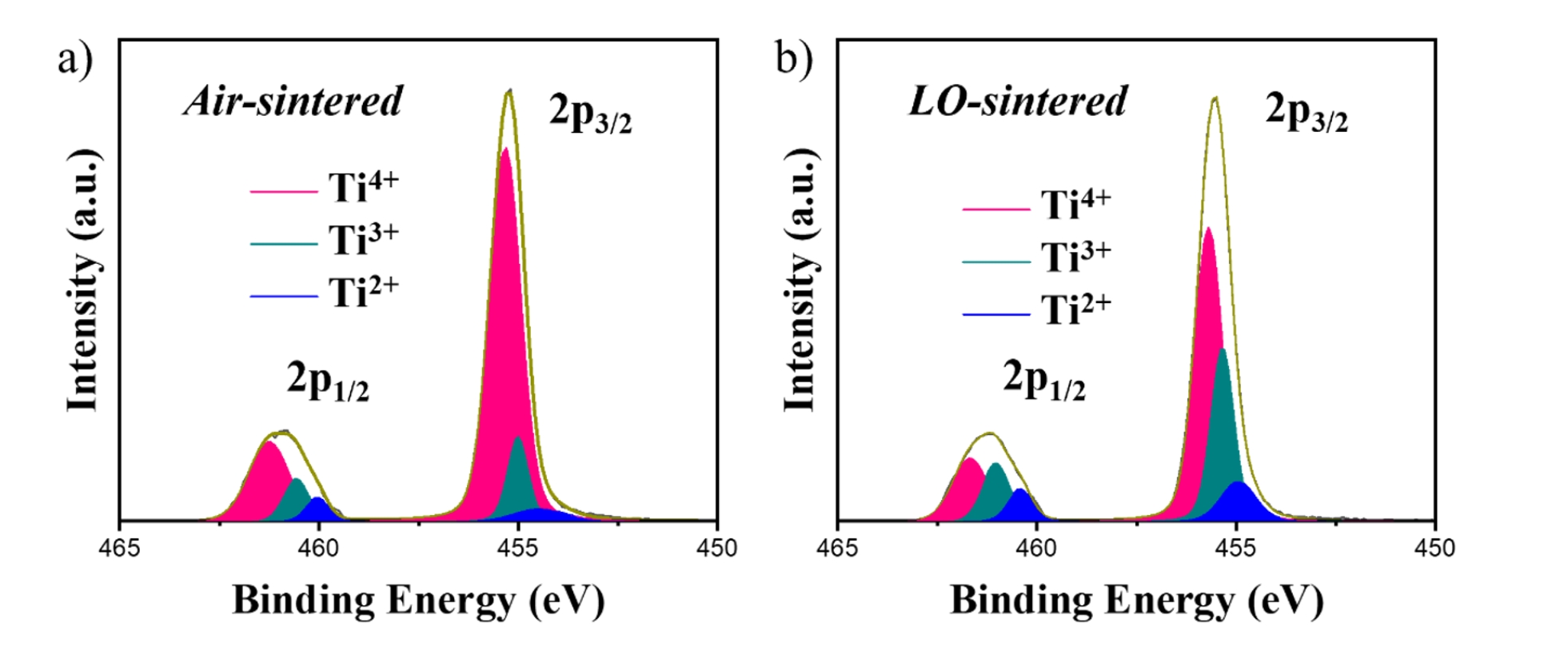
- Next, the surface chemical states of Ti were analyzed by high-resolution Ti 2p XPS (Fig. 4). For both the Air and LO samples, the Ti 2p spectra were deconvoluted into Ti4+, Ti3+, and Ti2+ components, corresponding to the fully oxidized state and to progressively reduced Ti species associated with oxygen-deficient environments, respectively. Relative to the Air sample, the LO sample exhibits a reduced Ti4+ contribution (by approximately 36% in relative peak area) accompanied by a pronounced increase in the Ti3+ and Ti2+ contributions, indicating a substantial increase in reduced Ti species and, by extension, in the concentration of oxygen vacancies within the TiO2 surface region under LO sintering conditions. Taken together with the structural similarity observed by XRD and SEM (Section 3.1), these results suggest that the sintering atmosphere primarily influences the surface chemical state of TiO2 rather than its bulk crystal structure or particle-level morphology.
- 3.3 Dye adsorption behavior and proposed mechanism
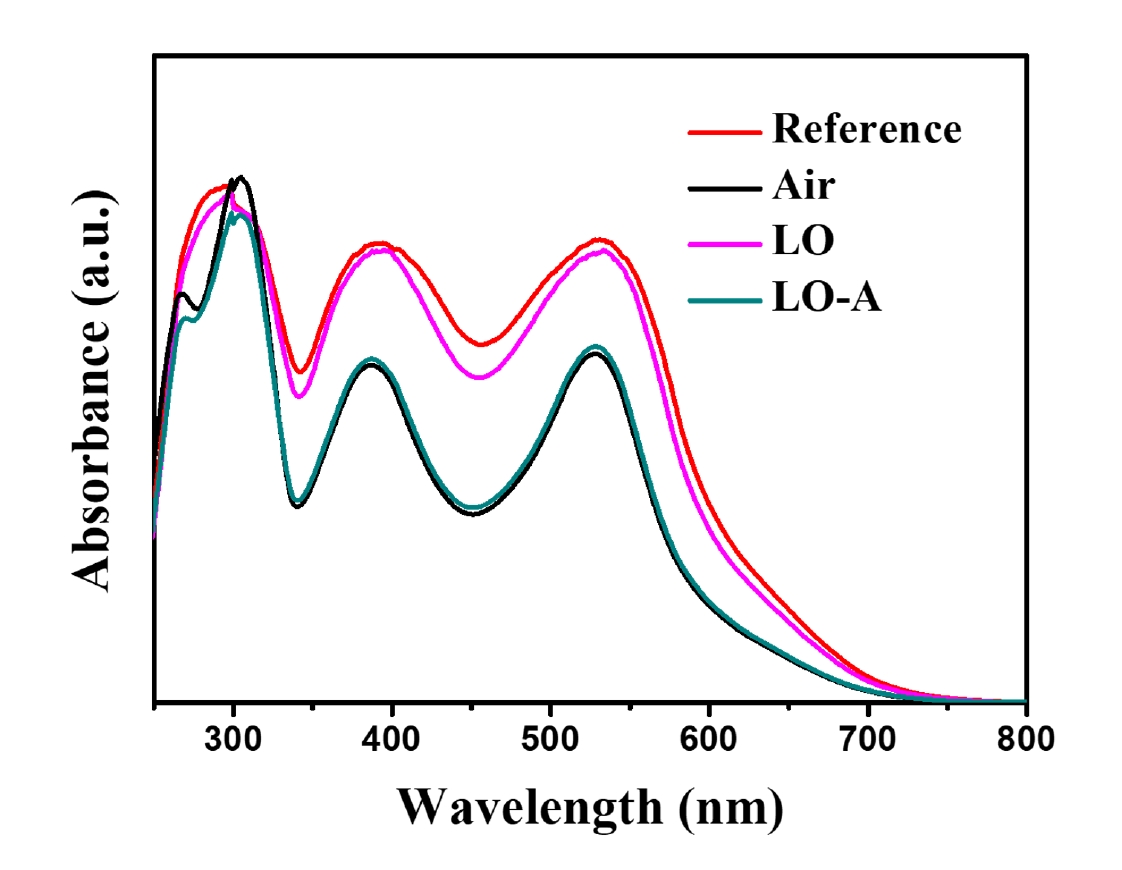
- To examine the functional consequence of the increased reduced Ti species and surface carbon, N719 dye adsorption was assessed from the UV–Vis absorbance of the residual dye solutions after immersion (Fig. 5). The residual absorbance of the LO sample remained close to that of the reference (pre-immersion) solution, indicating substantially reduced dye uptake relative to Air. In contrast, the residual absorbance of the LO-A sample closely approached that of Air, indicating that the dye adsorption capacity was largely recovered following the LO-A treatment.
- A possible mechanism involving reduced Ti species is proposed to account for the reduced dye adsorption on LO and its recovery on LO-A (Fig. 6). N719 anchors onto the TiO2 surface primarily through coordination of its carboxylate groups with surface Ti sites. While N719 has been reported to bind via several possible modes, including bidentate chelating and bridging configurations between the carboxylate oxygens and surface Ti atoms, a simplified ester-type linkage is also commonly used to represent this anchoring interaction [31]:
- On fully oxidized Ti4+ sites, this coordination is expected to be strong, consistent with the efficient dye loading observed for the Air photoanode. On reduced Ti3+-rich sites, which are more abundant in the LO sample, this interaction is proposed to be comparatively weaker, which may contribute to the reduced overall dye loading observed for LO [32, 33]. By the same reasoning, the recovery of dye uptake for LO-A is tentatively attributed to a partial restoration of a more oxidized Ti surface under the air atmosphere of the annealing step. Because the extent of oxygen vacancies and reduced Ti species is expected to influence not only dye anchoring but also electron transport within the TiO2 network, a corresponding impairment of charge-transfer processes in the LO photoanode is also proposed as part of this mechanism; this aspect is examined directly through photovoltaic and impedance measurements in the following sections. Carbon-related residue on the LO surface (Section 3.2) may act in parallel, for example by partially covering the TiO2 surface and limiting the accessible Ti sites, and its partial oxidative removal during the 300 ℃ air step could also contribute to the recovery for LO-A. However, neither the Ti oxidation state nor the carbon content of LO-A was examined by XPS, and the anchoring-strength difference between Ti4+ and Ti3+ sites was not directly measured in this study; the mechanism illustrated in Fig. 6 should therefore be regarded as a proposed interpretation consistent with the available data rather than a directly verified mechanism.
- 3.4 Photovoltaic performance
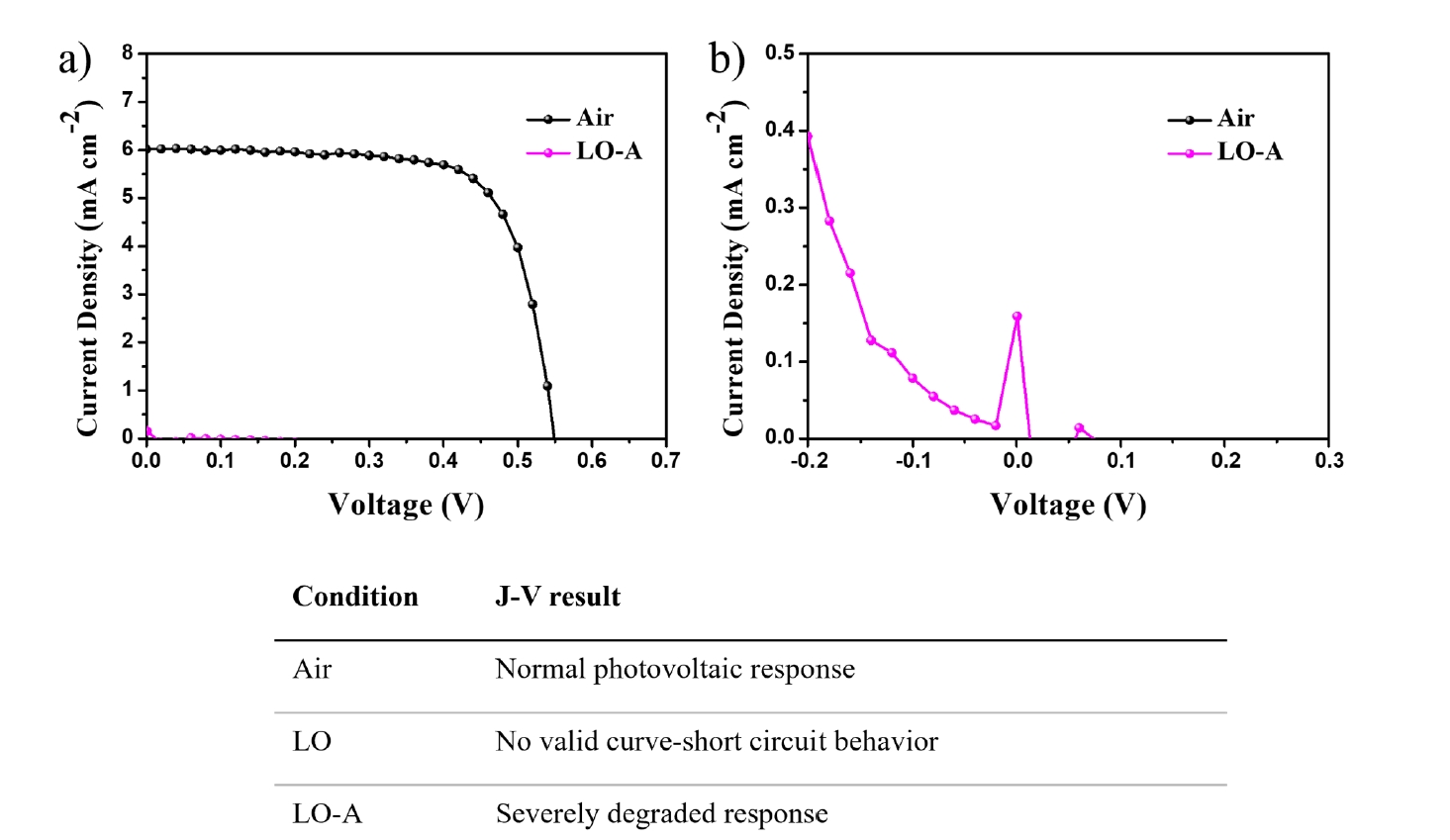
- The photovoltaic performance of FDSSCs fabricated with Air, LO, and LO-A photoanodes was evaluated under simulated AM 1.5G illumination (Fig. 7, Table 1). As summarized in Table 1, the Air device exhibited a typical photovoltaic response, with a short-circuit current density (JSC) of 5.20 ± 0.65 mA cm-2, an open-circuit voltage (VOC) of 0.549 ± 0.006 V, a fill factor (FF) of 73.4 ± 1.0%, and a power conversion efficiency (PCE) of 2.10 ± 0.26%. In marked contrast, LO devices consistently failed to produce a measurable photovoltaic response across repeated fabrication attempts, instead exhibiting current–voltage behavior consistent with short-circuit-like conduction; consequently, reliable JSC, VOC, FF, and PCE values could not be obtained for this condition.
- Severe recombination would typically lower VOC and FF while preserving a diode-like J-V curve, whereas the nearly ohmic response observed here is more consistent with a percolating low-resistance path bypassing the photoanode/electrolyte junction than with conventional recombination, although this remains an interpretation. Possible origins, all of which remain hypotheses, include (i) conductive carbonaceous residue from pyrolysis of the organic binder under the non-oxidizing atmosphere (consistent with the higher C 1s signal in Fig. 3b, although it is not established that this carbon is conductive), (ii) localized coating defects, such as microcracks or delamination, that expose the Ti wire to the CE, and (iii) conduction associated with oxygen vacancies and Ti3+ in reduced TiO2, which has been reported to increase electrical conductivity [28]. Defect-related trap states and band-edge changes in TiO2 have also been reported to influence electron transport and recombination [34], but their role here was not examined.
- Following low-temperature air annealing (LO-A), a measurable J–V response was recovered (Fig. 7a, b), indicating that the LO-A photoanode was no longer fully short-circuited. However, the resulting photovoltaic parameters remained severely suppressed relative to Air, with JSC = 0.11 ± 0.06 mA cm-2, VOC = 0.064 ± 0.021 V, FF = 9.4 ± 4.1%, and PCE on the order of 10-4% (Table 1). At the display scale used in Fig. 7a, the photovoltaic signal of the LO-A device is nearly indistinguishable from zero current density; the magnified view in Fig. 7b more clearly resolves this strongly suppressed but non-zero response. The suppressed parameters of LO-A may reflect the combined influence of residual reduced Ti species and any remaining carbon-related residue, whose partial oxidation during the 300 ℃ air annealing could also account for the partial recovery from the short-circuit-like state; however, neither was examined for LO-A by XPS. In addition, unintended shunting cannot be excluded as a contributor: the very low VOC and FF despite largely recovered dye uptake, together with the fact that the LO-A photoanode was no longer fully short-circuited, are compatible with a partial leakage path remaining after annealing, for example through residual carbon or at the Ti/TiO2 interface. Direct contact between the Pt spring CE and the photoanode is considered unlikely, since the CE was designed to avoid such contact; in a qualitative control with the photoanode and a Pt CE placed side by side with a gap on a glass slide and wetted by an electrolyte drop, the same trend was observed (Air > LO-A, with no photovoltaic response for LO), although quantitative values were unreliable because the electrolyte dried during measurement. Dark J-V measurements, needed to distinguish leakage from interfacial charge-transfer resistance, were not performed.
- 3.5 Electrochemical impedance analysis
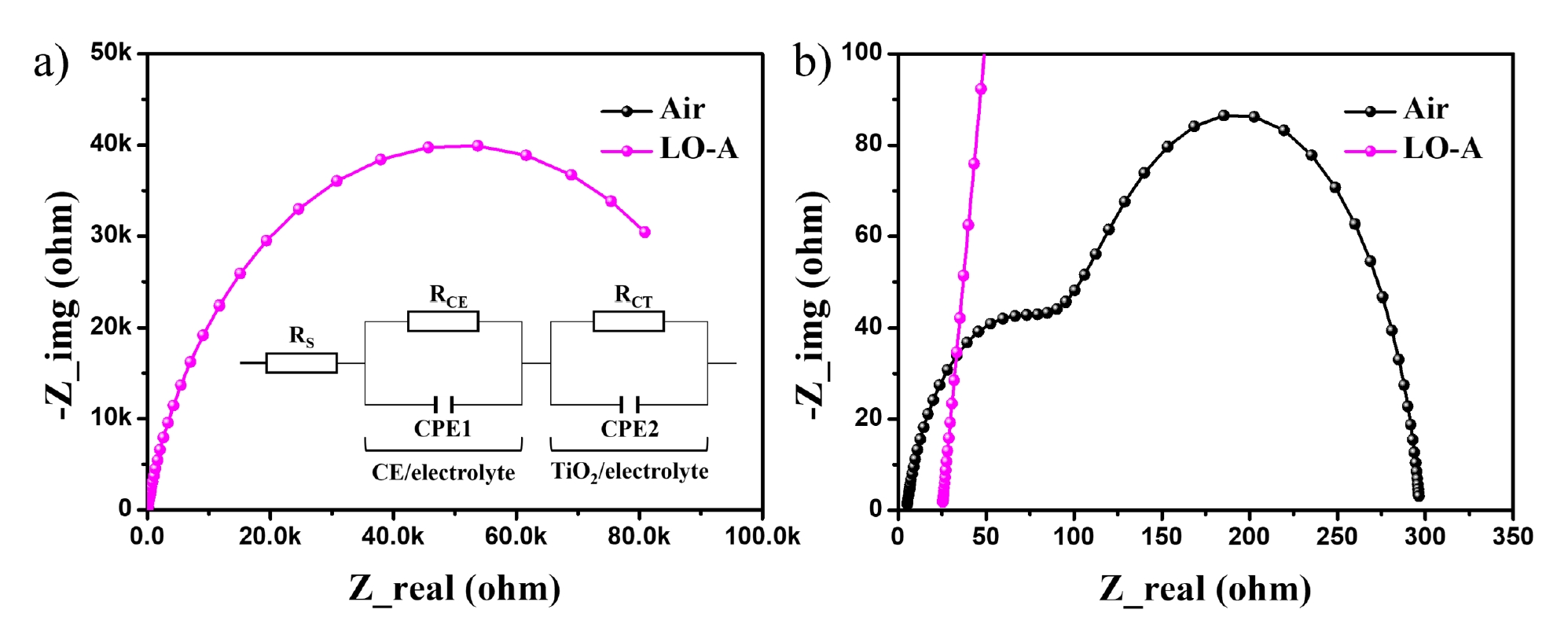
- To further examine the origin of the severely suppressed photovoltaic performance observed for LO-A, electrochemical impedance spectroscopy (EIS) was performed under 0 V DC bias (Fig. 8, Table 2). Reliable EIS spectra could not be obtained for LO devices, consistent with the short-circuit-like J–V behavior described in Section 3.4.
- The Nyquist plot of the Air device exhibits two semicircles, consistent with the two-interface equivalent circuit model (Fig. 8a, inset): a smaller high-frequency semicircle associated with the CE/electrolyte interface (RCE), and a larger semicircle at intermediate frequency associated with the photoanode/electrolyte interface (RCT) [35, 36]. Fitting yielded RS = 6.2 ± 1.7 Ω, RCE = 81.5 ± 18.7 Ω, and RCT = 213.3 ± 13.4 Ω for the Air device (Table 2). For LO-A, RCE decreased to 15.6 ± 3.8 Ω, while RCT increased dramatically to (1.1 ± 0.1) × 105 Ω, approximately 500 times higher than that of Air. RS also increased to 31 ± 7.4 Ω.
- The pronounced increase in RCT for the LO-A device indicates a severe increase in the resistance associated with charge-transfer processes at the photoanode/electrolyte interface, despite the largely recovered dye-adsorption capacity observed in Section 3.3. This result is consistent with the proposed mechanism in Fig. 6, wherein reduced Ti species and associated oxygen vacancies are expected to impair charge-transfer processes independently of their effect on dye anchoring.
- However, the increased RCT may also be affected by residual carbon-related species and by partial leakage paths. The large fitted RCT points to a high-resistance photoanode/electrolyte interface rather than a dominant low-resistance bypass, although a high-resistance shunt in parallel cannot be excluded by EIS alone. Because the origins could not be separated, the increase in RCT is best regarded as the net outcome of several possible contributions rather than being attributed to reduced Ti species alone.
- The marked reduction in RCE observed for LO-A relative to Air is notable, given that the CE and electrolyte were nominally identical across conditions. This may instead reflect reduced fitting reliability, as the much larger RCT obscures the smaller, poorly separated RCE semicircle. Consequently, the fitted RCE value for LO-A should be interpreted with some caution, and a definitive physical origin for this change was not established in the present study.
- Taken together, these results indicate that the poor performance of LO-A is governed primarily by increased interfacial charge-transfer resistance rather than reduced dye adsorption alone.
3. Results and Discussion
- This study investigated the effect of sintering atmosphere on Ti wire/TiO2 photoanodes for FDSSCs, motivated by the longer-term goal of enabling high-temperature photoanode processing compatible with carbon-based current collectors. TiO2 photoanodes were sintered under conventional air (Air) and a custom low-oxygen condition (LO), and the effect of a subsequent low-temperature air-annealing step (LO-A) was also examined.
- XRD and SEM analyses showed no substantial difference in crystalline phase or particle-level morphology between the Air and LO photoanodes, while FT-IR showed that C-H/C=O-related organic bands were removed to a comparable extent under both conditions; however, C 1s XPS revealed an approximately twofold higher surface carbon signal for the LO sample, suggesting that carbonaceous residue may remain after LO sintering. XPS also revealed a marked increase in reduced Ti species (Ti3+ and Ti2+) for the LO sample relative to Air, indicating that the sintering atmosphere primarily affects the surface chemical state of TiO2 rather than its bulk structure. This shift toward a more reduced surface was accompanied by substantially reduced N719 dye adsorption on the LO photoanode, consistent with a proposed weakening of dye-anchoring interaction at reduced Ti sites.
- At the device level, LO photoanodes consistently exhibited short-circuit-like behavior and failed to produce a measurable photovoltaic response. LO-A eliminated this short-circuit-like behavior and largely restored the dye-adsorption capacity to a level comparable with Air; however, photovoltaic performance remained severely suppressed, and EIS measurements revealed an approximately 500-fold increase in the photoanode-related charge-transfer resistance (RCT) relative to Air. This dissociation between recovered dye adsorption and persistently impaired charge transfer indicates that at least two distinct factors—dye-anchoring capacity and interfacial charge-transfer resistance—contribute to the poor performance of LO photoanodes, and that these factors are not equally responsive to low-temperature air annealing. The origin of the persistently high RCT may involve reduced Ti species, residual carbon, partial leakage paths, or a combination of these, and their relative contributions could not be separated with the present data.
- Taken together, these results demonstrate that although LO sintering is motivated by compatibility with carbon-based electrode components, it substantially compromises the photoelectrochemical functionality of TiO2 photoanodes under the conditions investigated here, and that a simple low-temperature air-annealing step is insufficient to fully restore this functionality. This study did not directly verify the electronic origin of the impaired charge transfer (e.g., conduction-band shift or electron-trapping behavior), nor the physical origin of the short-circuit-like behavior observed for LO devices, nor the relative contributions of Ti species, carbon residue, and possible leakage paths, nor did it test whether a carbon-based current collector survives the LO condition or establish a carbon-compatible fabrication route validated at the device level; these remain open questions for future work. Moreover, because the C 1s results suggest that carbon-related residue may remain after LO sintering, carbon compatibility should be evaluated not only in terms of the survival of the carbon substrate but also of this residue. The present findings nonetheless clarify how the sintering atmosphere governs the surface chemistry and photoelectrochemical behavior of TiO2 photoanodes, providing a basis for evaluating the feasibility and limitations of atmosphere-controlled sintering as a strategy toward carbon-compatible photoanode fabrication. Future studies that independently control the residual carbon content and the Ti oxidation state, together with dark J–V measurements, will be needed to clarify their respective roles.
4. Conclusion
-
Funding
This work was supported by a 2-Year Research Grant of Pusan National University.
-
Conflict of Interest
The authors declare no competing financial interests or personal relationships.
-
Data Availability Statement
The data that support the findings of this study are available from the corresponding author upon reasonable request.
-
Author Information and Contribution
Yeonggwon Kim: Ph.D. student, conceptualization, investigation, visualization, writing–original draft; Chae Young Woo: Research Professor, investigation, writing–original draft; Sung Min Kim: Ph.D. student, investigation, writing-review & editing; Jiseong Park: Ph.D. student, investigation, writing-review & editing; Yongseon Jeong: M.S. student, investigation, writing-review & editing; Dabin Chun: Undergraduate student, investigation, writing-review & editing; Seungfeel Jeong: Undergraduate student, investigation, writing-review & editing; Hyung Woo Lee: Professor, conceptualization and supervision.
-
Acknowledgements
None.
Article information
| Sintering Conditions | JSC (mA cm-2) | VOC (V) | FF (%) | PCE (%) |
|---|---|---|---|---|
| Air | 5.20 ± 0.65 | 0.549 ± 0.006 | 73.4 ± 1.0 | 2.10 ± 0.26 |
| LO | - | - | - | - |
| LO-A | 0.11 ± 0.06 | 0.064 ± 0.021 | 9.4 ± 4.1 | (5.20 ± 2) ×10-4 |
| Sintering Conditions | RS [Ω] | RCE [Ω] | RCT [Ω] |
|---|---|---|---|
| Air | 6.2 ± 1.7 | 81.5 ± 18.7 | 213.3 ± 13.4 |
| LO | - | - | - |
| LO-A | 31 ± 7.4 | 15.6 ± 3.8 | (1.1 ± 0.1) × 105 |
- 1. B. O'Regan and M. Grätzel: Nature, 353 (1991) 737.ArticlePDF
- 2. M. Grätzel: Nature, 414 (2001) 338.ArticlePDF
- 3. K. Sharma, V. Sharma and S. S. Sharma: Nanoscale Res. Lett., 13 (2018) 381.Article
- 4. M. S. Ahmad, A. K. Pandey and N. Abd Rahim: Renew. Sustain. Energy Rev., 77 (2017) 89.Article
- 5. S. J. Varma, K. Sambath Kumar, S. Seal, S. Rajaraman and J. Thomas: Adv. Sci., 5 (2018) 1800340.Article
- 6. X. Pu, W. Song, M. Liu, C. Sun, C. Du, C. Jiang, X. Huang, D. Zou, W. Hu and Z. L. Wang: Adv. Energy Mater., 6 (2016) 1601048.Article
- 7. N. Sangiorgi, A. Sangiorgi, A. Dessì, L. Zani, M. Calamante, G. Reginato, A. Mordini and A. Sanson: Sol. Energy Mater. Sol. Cells, 204 (2020) 110209.Article
- 8. J. H. Kim, S.-J. Koo, H. Cho, J. W. Choi, S. Y. Ryu, J.-W. Kang, S.-H. Jin, C. Ahn and M. Song: ACS Sustainable Chem. Eng., 8 (2020) 15065.ArticlePDF
- 9. J. H. Kim, S. K. Hong, S.-J. Yoo, C. Y. Woo, J. W. Choi, D. Lee, J.-W. Kang, H. W. Lee and M. Song: Dyes Pigm., 185 (2021) 108855.Article
- 10. B. D. Choudhury, C. Lin, S. M. A. Z. Shawon, J. Soliz-Martinez, J. Gutierrez, M. N. Huda, F. Cesano, K. Lozano, J. Z. Zhang and M. J. Uddin: ACS Appl. Energy Mater., 4 (2021) 870.Article
- 11. W. Guo, C. Xu, G. Zhu, C. Pan, C. Lin and Z. L. Wang: Nano Energy, 1 (2012) 176.Article
- 12. Z. Yang, J. Deng, X. Sun, H. Li and H. Peng: Adv. Mater., 26 (2014) 2643.ArticlePDF
- 13. X. Cai, S. Hou, H. Wu, Z. Lv, Y. Fu, D. Wang, C. Zhang, H. Kafafy, Z. Chu and D. Zou: Phys. Chem. Chem. Phys., 14 (2012) 125.Article
- 14. Y. Kim, C. Y. Woo, Y. Jo, S. M. Kim, J. Park, M. Song, J.-W. Oh and H. W. Lee: Small Struct., 6 (2025) 2500302.Article
- 15. H. Sun, H. Li, X. You, Z. Yang, J. Deng, L. Qiu and H. Peng: J. Mater. Chem. A, 2 (2014) 345.Article
- 16. S. Huang, H. Sun, X. Huang, Q. Zhang, D. Li, Y. Luo and Q. Meng: Nanoscale Res. Lett., 7 (2012) 222.Article
- 17. N. Alwadai, A. Ali, A. Liaqat, A. Fatima, M. Iqbal, A. Nazir, W. Mnif, Z. Algarni, S. Akyürekli and M. Kaleli: Synth. Met., 307 (2024) 117692.Article
- 18. J. Yan, M. J. Uddin, T. J. Dickens, D. E. Daramola and O. I. Okoli: Adv. Mater. Interfaces, 1 (2014) 1400075.Article
- 19. H. Yang, W. Liu, C. Xu, D. Fan, Y. Cao and W. Xue: Appl. Sci., 9 (2019) 823.Article
- 20. H. Khir, A. K. Pandey, R. Saidur, M. S. Ahmad, N. Abd Rahim, M. Dewika and M. Samykano: Sustain. Energy Technol. Assess., 53 (2022) 102745.Article
- 21. D. Bradford, I. Benesperi, H. Jinno, N. Bhati, R. Avilés-Betanzos, F. Maréchal, G. Oskam, C.-J. Shih, M. Grätzel, S. Sánchez, K. Sivula and M. Freitag: ACS Energy Lett., 11 (2026) 699.ArticlePDF
- 22. A. Mahajan, A. Kingon, A. Kukovecz, Z. Konya and P. M. Vilarinho: Mater. Lett., 90 (2013) 165.Article
- 23. X. Li, H. Lin, J. Li, N. Wang, C. Lin and L. Zhang: J. Photochem. Photobiol. A, 195 (2008) 247.Article
- 24. C. Dawo, M. Hossain, P. K. Iyer and H. Chaturvedi: Synth. Met., 291 (2022) 117172.Article
- 25. N. Fu, C. Huang, Y. Liu, X. Li, W. Lu, L. Zhou, F. Peng, Y. Liu and H. Huang: ACS Appl. Mater. Interfaces, 7 (2015) 19431.Article
- 26. S. Zhou, W. Chen, W. Liu, J. Cao and L. Yuan: Sol. Energy, 274 (2024) 112553.Article
- 27. L. Hou, M. Zhang, Z. Guan, Q. Li and J. Yang: Appl. Surf. Sci., 428 (2018) 640.Article
- 28. M. N. Shaddad, P. Arunachalam, M. S. Hezam, S. A. Aladeemy, M. J. Aljaafreh, S. Abu Alrub and A. M. Al-Mayouf: Nanomaterials, 14 (2024) 366.Article
- 29. A. Subramanian and H.-W. Wang: J. Photochem. Photobiol. A, 279 (2014) 32.Article
- 30. P. Praveen, G. Viruthagiri, S. Mugundan and N. Shanmugam: Spectrochim. Acta A, 117 (2014) 622.Article
- 31. A. S. Alotabi, J. R. Gascooke, A. S. Alotaibi and G. G. Andersson: J. Phys. Chem. C, 128 (2024) 3136.ArticlePDF
- 32. Y. Kim, B. J. Yoo, R. Vittal, Y. Lee, N.-G. Park and K.-J. Kim: J. Power Sources, 175 (2008) 914.Article
- 33. F. De Angelis, S. Fantacci, A. Selloni, M. K. Nazeeruddin and M. Grätzel: J. Phys. Chem. C, 114 (2010) 6054.Article
- 34. B. Roose, S. Pathak and U. Steiner: Chem. Soc. Rev., 44 (2015) 8326.Article
- 35. H. Li, J. Guo, H. Sun, X. Fang, D. Wang and H. Peng: ChemNanoMat, 1 (2015) 399.Article
- 36. J. Zhang, Z. Wang, X. Li, J. Yang, C. Song, Y. Li, J. Cheng, Q. Guan and B. Wang: ACS Appl. Energy Mater., 2 (2019) 2870.Article
References
Figure & Data
References
Citations

 Cite this Article
 XML Download
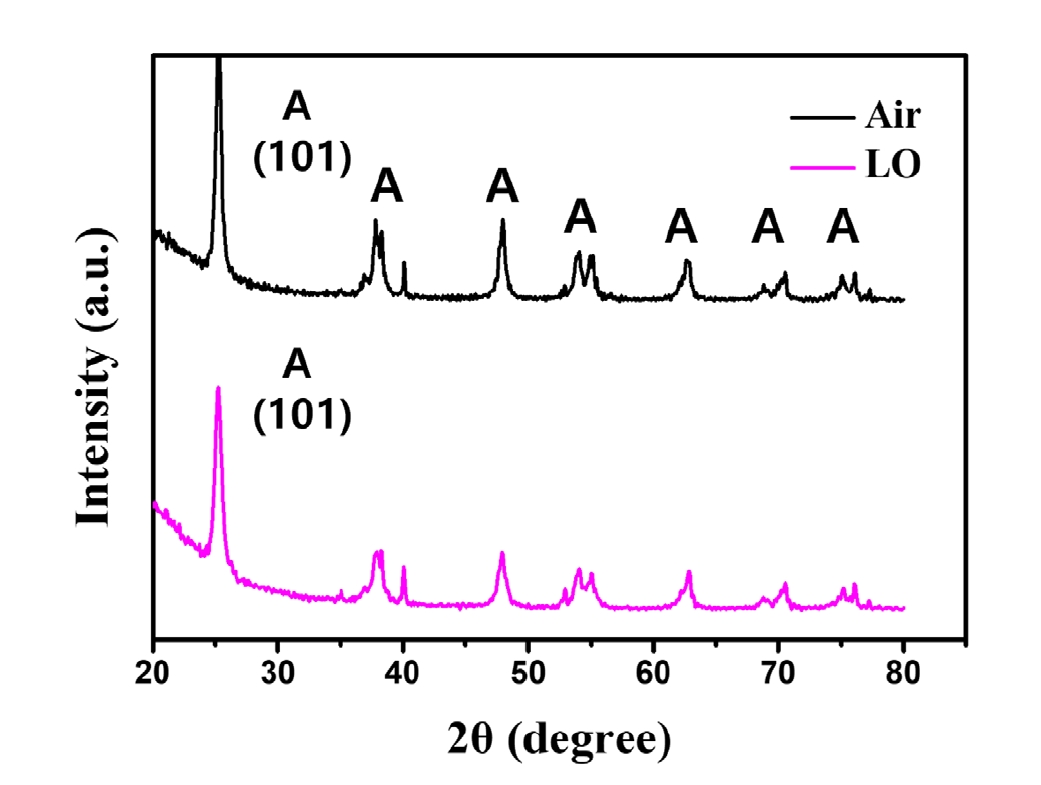
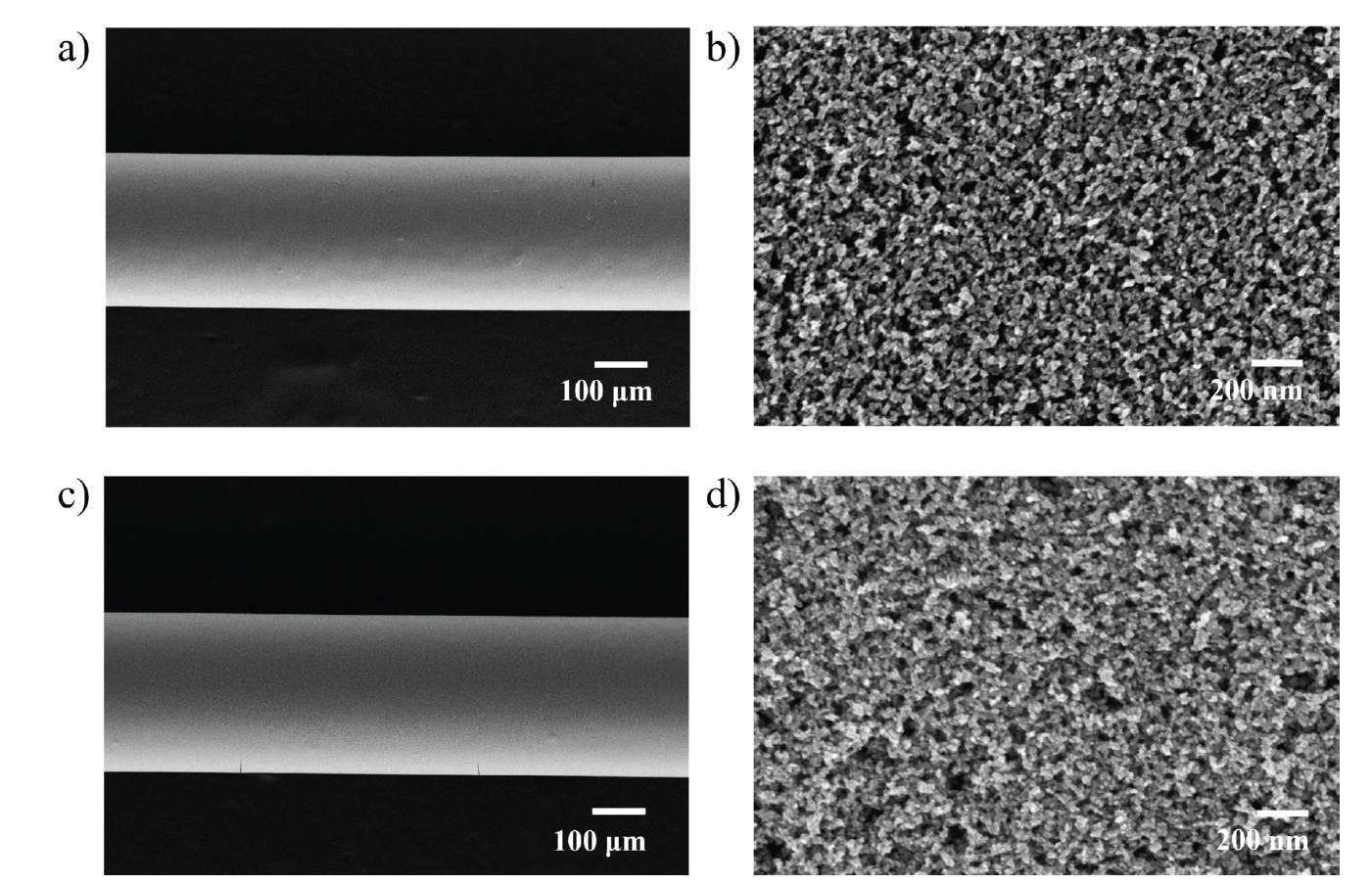
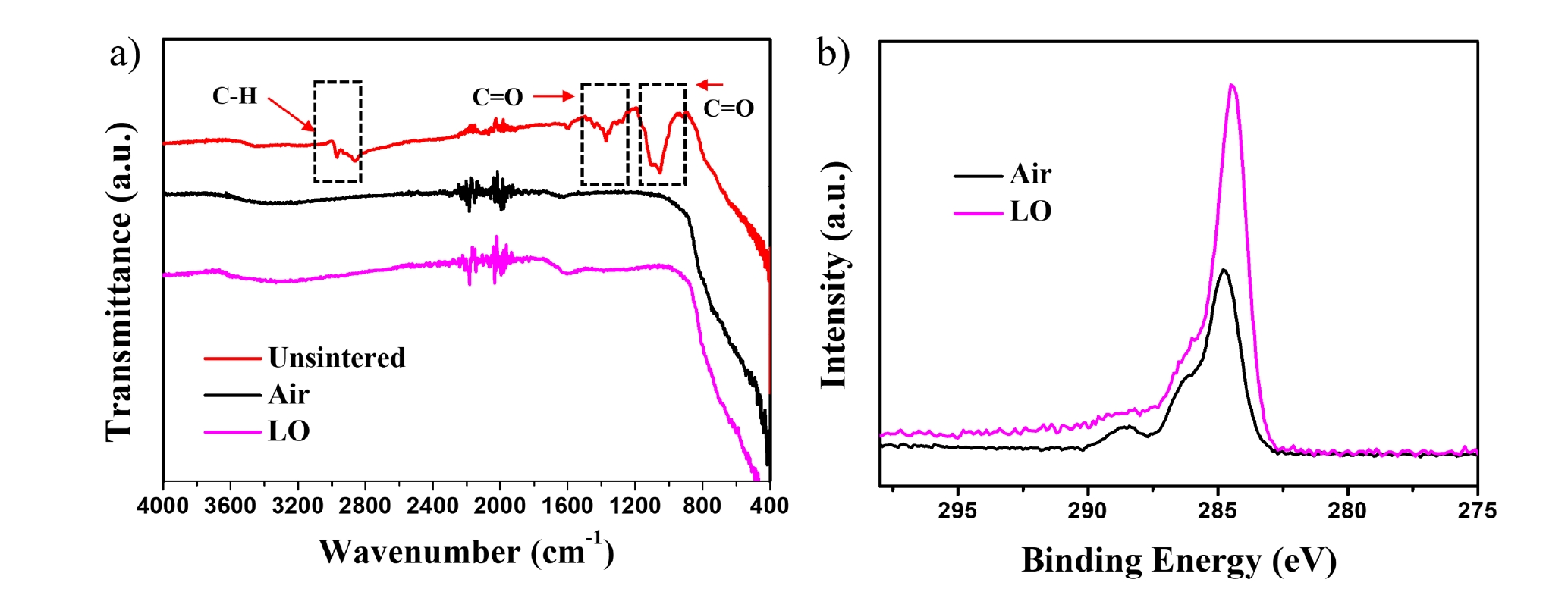
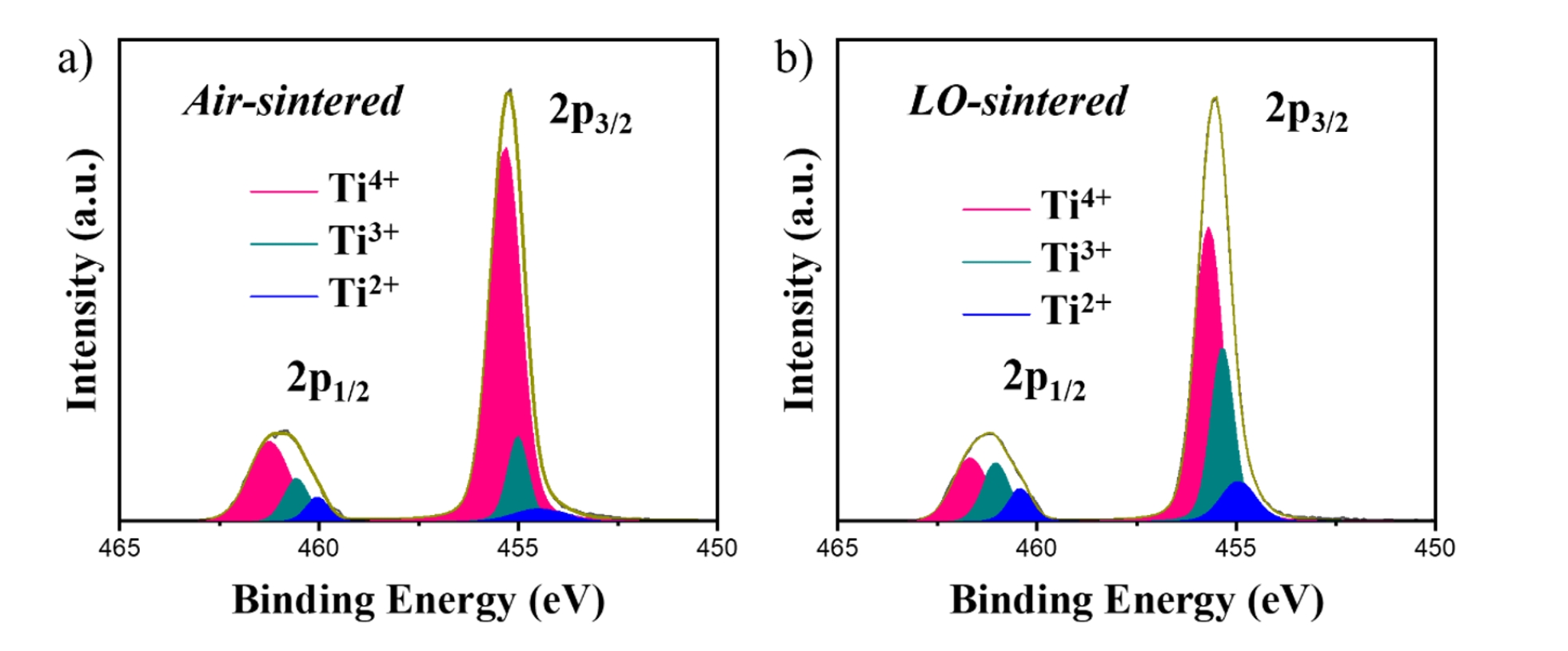
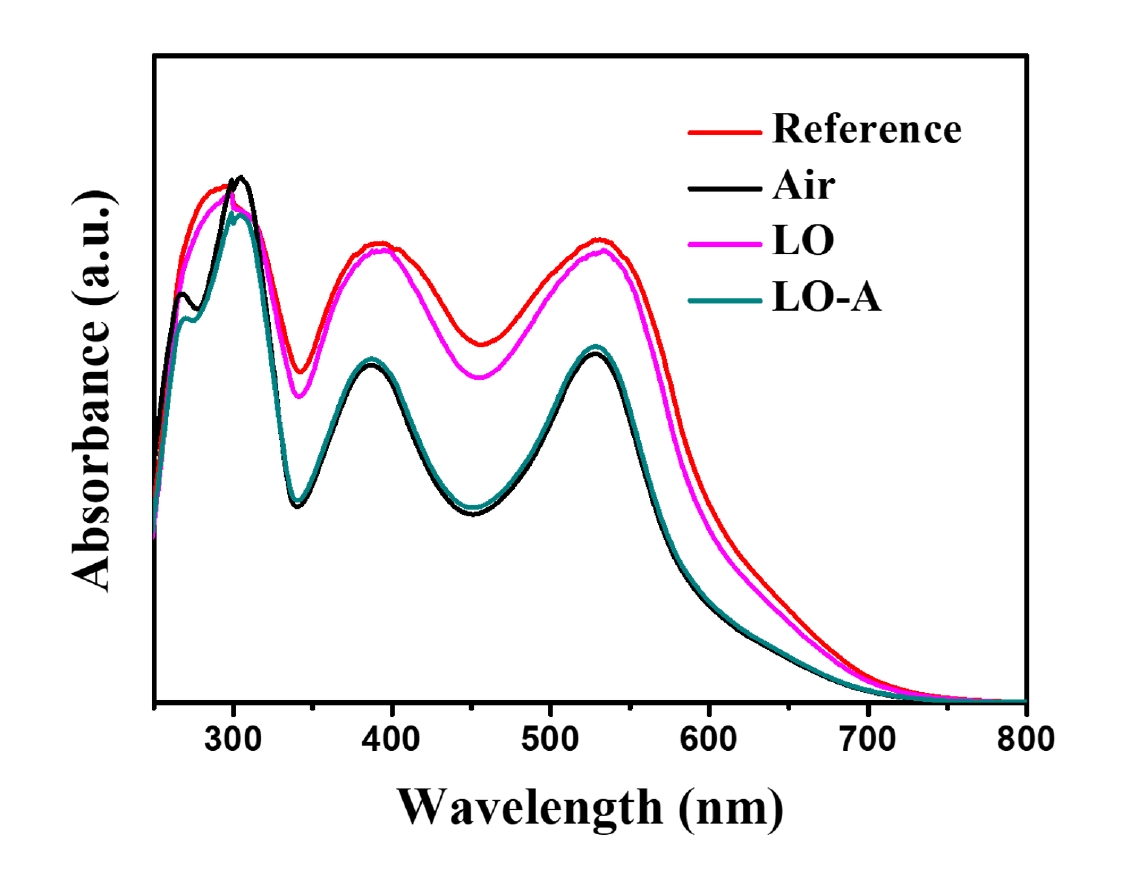
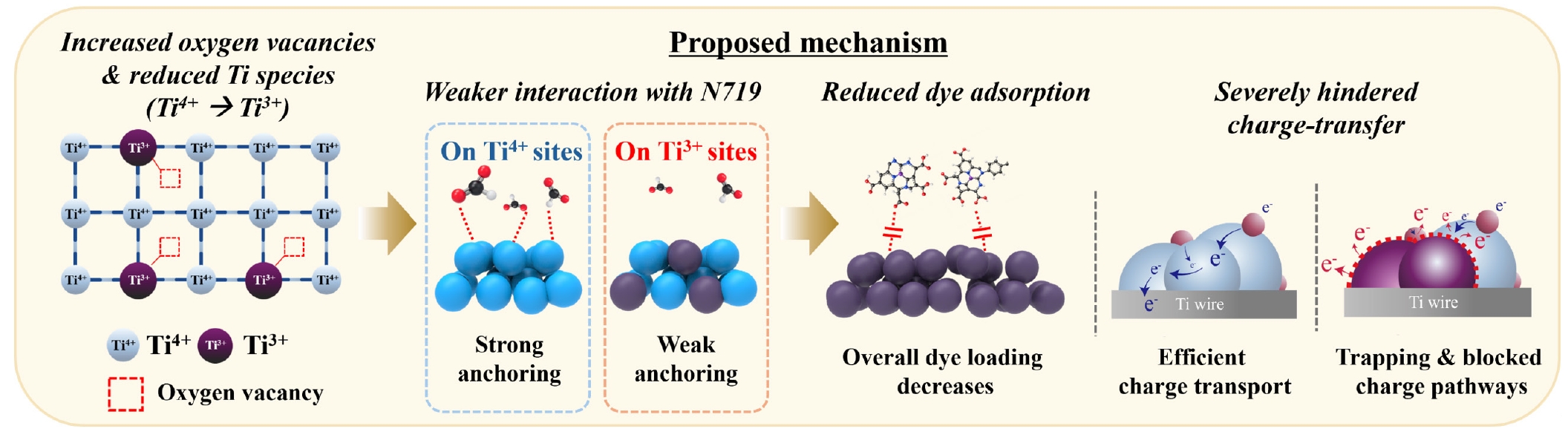
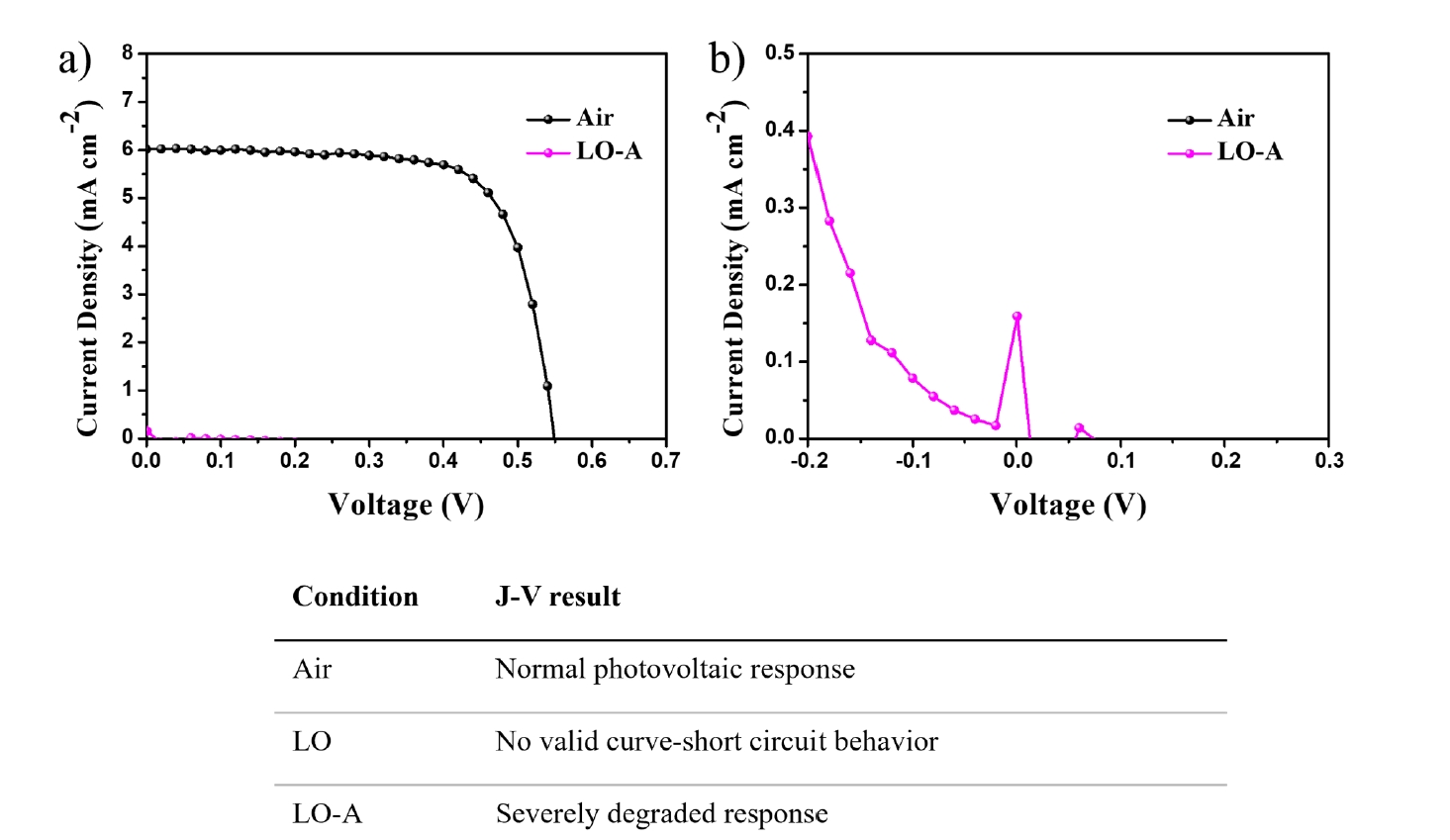
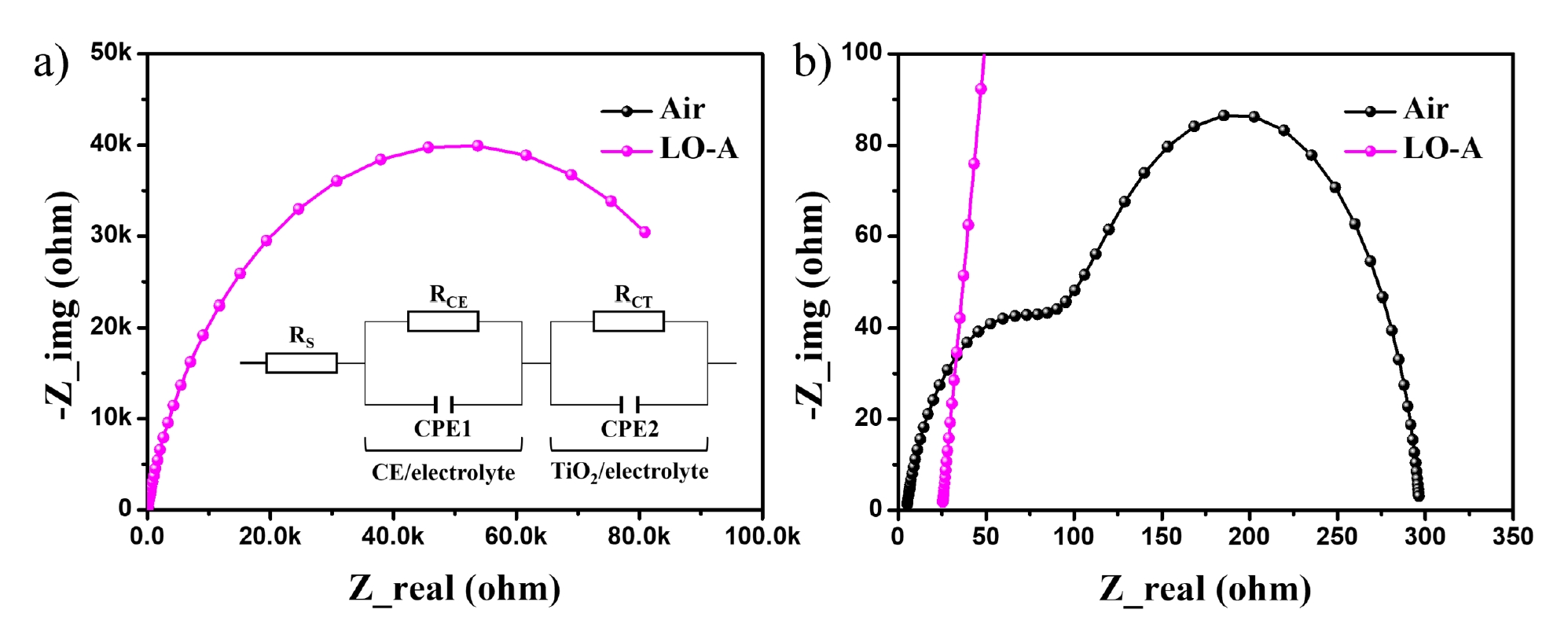
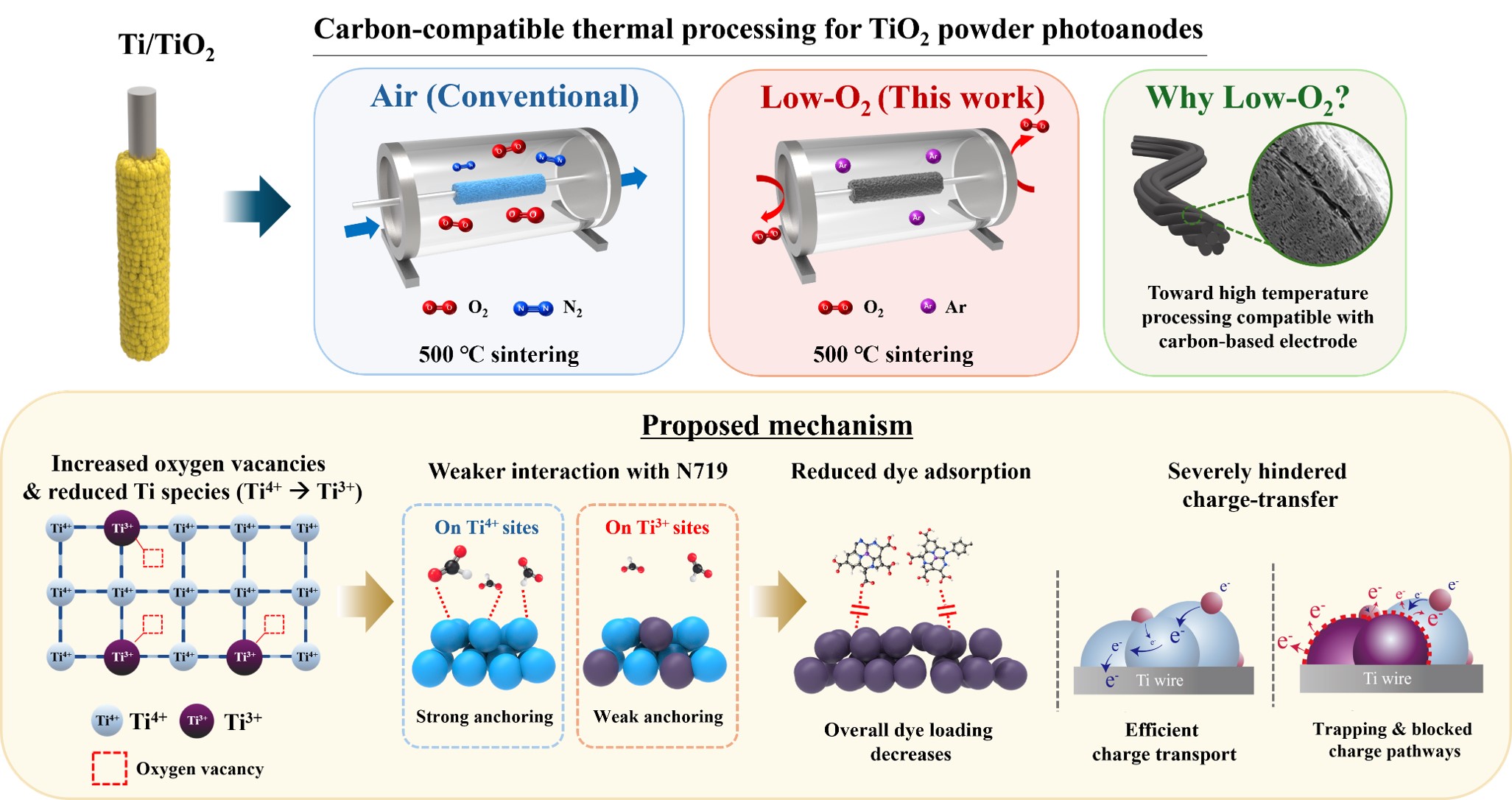
Fig. 1.
Fig. 2.
Fig. 3.
Fig. 4.
Fig. 5.
Fig. 6.
Fig. 7.
Fig. 8.
Graphical abstract
| Sintering Conditions | JSC (mA cm-2) | VOC (V) | FF (%) | PCE (%) |
|---|---|---|---|---|
| Air | 5.20 ± 0.65 | 0.549 ± 0.006 | 73.4 ± 1.0 | 2.10 ± 0.26 |
| LO | - | - | - | - |
| LO-A | 0.11 ± 0.06 | 0.064 ± 0.021 | 9.4 ± 4.1 | (5.20 ± 2) ×10-4 |
| Sintering Conditions | RS [Ω] | RCE [Ω] | RCT [Ω] |
|---|---|---|---|
| Air | 6.2 ± 1.7 | 81.5 ± 18.7 | 213.3 ± 13.4 |
| LO | - | - | - |
| LO-A | 31 ± 7.4 | 15.6 ± 3.8 | (1.1 ± 0.1) × 105 |
Air, sintered under air; FF, fill factor; JSC, short-circuit current density; LO, low-oxygen sintering; LO-A, LO followed by low-temperature air annealing; PCE, power conversion efficiency; VOC, open-circuit voltage. -, no reliable photovoltaic parameters could be obtained.
Air, air sintering; EIS, electrochemical impedance spectroscopy; LO, low-oxygen sintering; LO-A, LO followed by air annealing; RCE, RCT, charge-transfer resistances at the CE/electrolyte and photoanode/electrolyte interfaces; RS, series resistance. -, not obtained.
Table 1.
Table 2.
TOP

