 KPMI
KPMI

Funded articles
- Page Path
- HOME > Browse Articles > Funded articles
Research Articles
- [English]
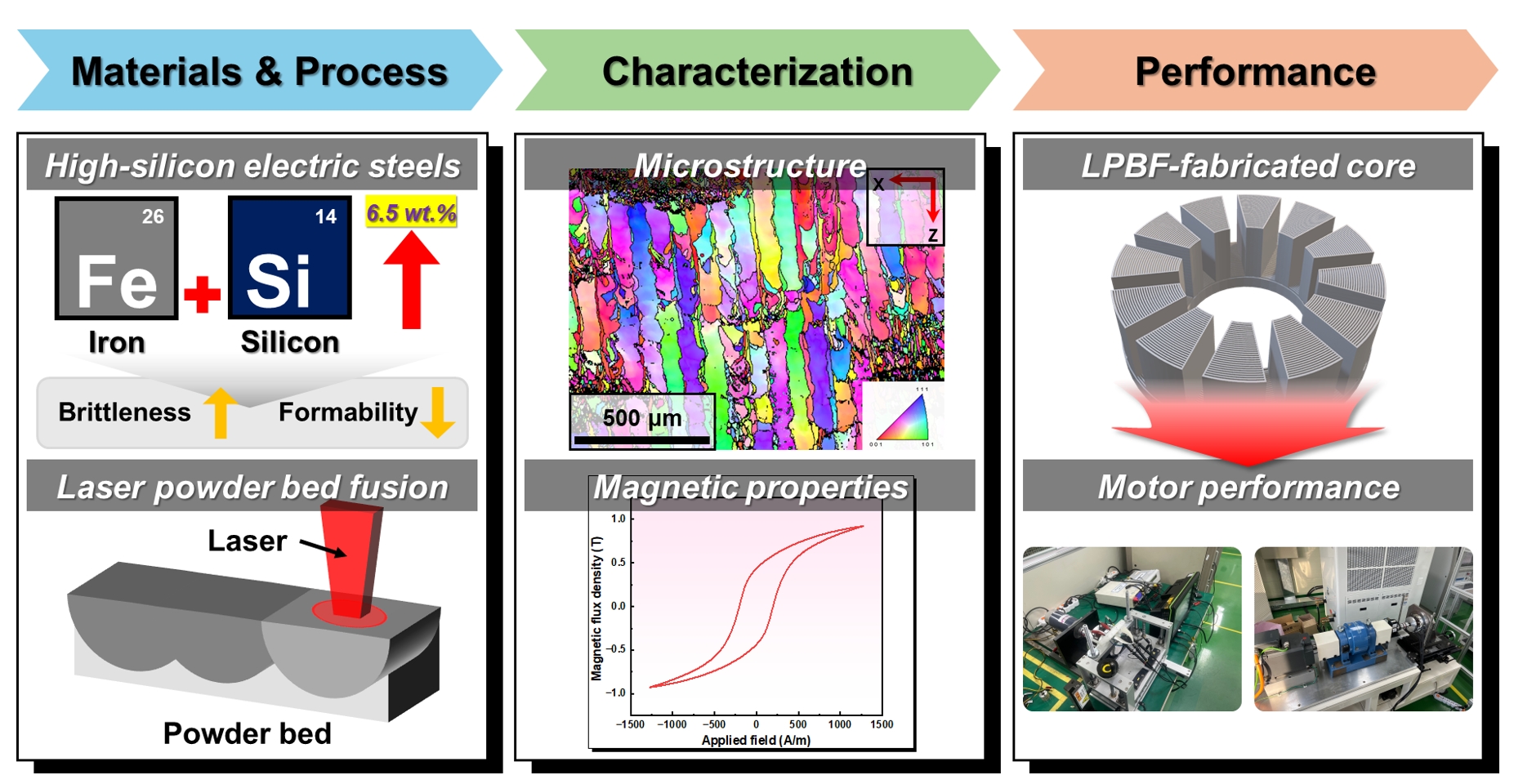
- Microstructure, Magnetic Properties, and Performance of Fe-6.5Si Soft Magnetic Core Produced by Laser Powder Bed Fusion
- Ji Sang Yoon, Yeon Woo Kim, Gyu Hyun Park, Youk Jin Kim, Sang Heon Lee, Jeong Seok Kim, Sung Ho Yu, Jeong Min Park
- J Powder Mater. 2026;33(3):177-183. Published online June 30, 2026
- DOI: https://doi.org/10.4150/jpm.2026.00094
- Funded: Korea Institute of Materials Science, National Research Foundation of Korea, Ministry of Trade, Industry and Energy of Korean government
- 874 View
- 13 Download
-
 Abstract
 PDF
PDF - High-silicon electrical steels containing 6.5 wt.% Si (Fe-6.5Si) are promising materials for high-efficiency electric motors because of their high electrical resistivity and low core loss. However, the intrinsic brittleness of high-silicon steels limits their formability using conventional fabrication methods, such as cold rolling, pressure forming, and sintering, making it difficult to fabricate three-dimensional (3D) soft magnetic cores for axial-flux permanent magnet (AFPM) motors. Additive manufacturing has recently attracted attention as an effective approach for producing complex magnetic components. In particular, laser powder bed fusion (LPBF) enables the fabrication of geometrically complex structures through localized melting and rapid solidification of metal powders. During LPBF, rapid thermal cycling can generate unique microstructures that influence the magnetic properties of fabricated materials. In this study, Fe-6.5Si samples were fabricated using LPBF, and their microstructure and magnetic properties were investigated. In addition, a complex-shaped 3D core was successfully fabricated by LPBF, and the performance of an AFPM motor equipped with the LPBF-fabricated core was evaluated. The results show that the LPBF-fabricated core can provide superior performance-to-weight efficiency for lightweight motor applications.
- [English]
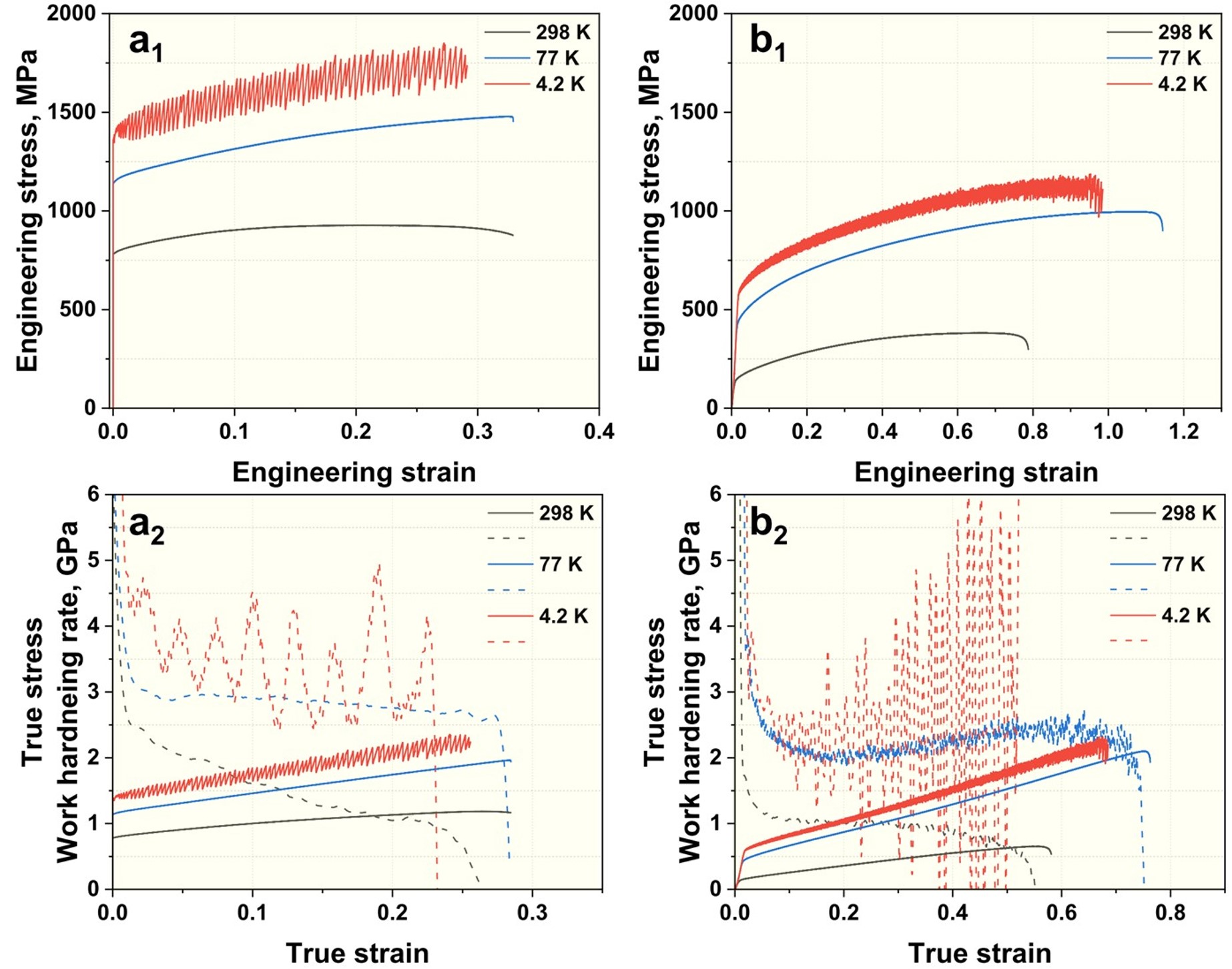
- Ultra-Low Temperature Mechanical Response of Laser Powder Bed Fusion–Processed C-Containing CoCrFeMnNi High-Entropy Alloy
- Jae-Yong Cheon, Seong-June Youn, Young-Sang Na, Young-Kyun Kim
- J Powder Mater. 2026;33(3):195-202. Published online June 30, 2026
- DOI: https://doi.org/10.4150/jpm.2026.00101
- Funded: National Research Foundation of Korea, Korea Institute of Materials Science
- 809 View
- 8 Download
-
Abstract
PDF
- This study examined the microstructure and tensile behavior, from room temperature to 4.2 K, of a carbon-containing CoCrFeMnNi high-entropy alloy (HEA) fabricated by laser powder bed fusion (LPBF). Microstructural analysis revealed that the LPBF-built HEA comprised a single face-centered cubic (FCC) phase and exhibited epitaxial grain growth along the build direction. Dislocation cell structures and Cr-rich carbides were also observed within the grains. Tensile testing demonstrated a monotonic increase in both yield strength and ultimate tensile strength with decreasing temperature, and the LPBF-fabricated HEA consistently exhibited higher strength than its wrought counterpart across the entire temperature range investigated. Deformation twins were identified in all tested specimens, with the twin fraction increasing markedly at 4.2 K. These findings suggest that the excellent mechanical performance of the LPBF-fabricated carbon-containing CoCrFeMnNi HEA under ultra-low-temperature conditions is attributable to the combined effects of process-inherent microstructural features and pronounced deformation twinning.
- [Korean]
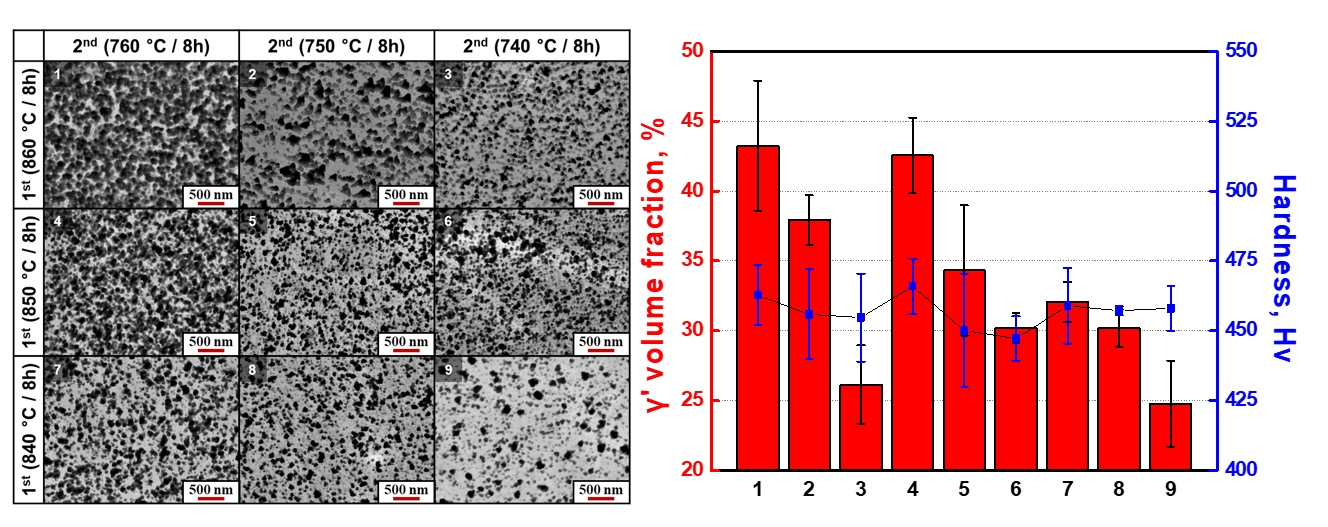
- Aging Temperature Effect on the Microstructure and Mechanical Properties of Directed Energy Deposited Inconel 939 Alloy
- Youngwoo Kim, Ye Chan Sung, Ho Seoung Kang, Jung Gi Kim
- J Powder Mater. 2026;33(3):203-213. Published online June 30, 2026
- DOI: https://doi.org/10.4150/jpm.2026.00115
- Funded: Ministry of Trade, Industry, and Energy, Ministry of SMEs and Startups
- 816 View
- 20 Download
-
Abstract
PDF
- Directed energy deposition (DED) of Inconel 939 (IN939) alloy is useful for fabricating and repairing geometrically complex components used in gas turbine systems. Repeated laser scanning produces a non-equilibrium microstructure that can support high mechanical strength. However, because the microstructure of DED IN939 differs from that of conventionally manufactured IN939, it may evolve differently under the same post-heat-treatment conditions. Therefore, this study applied different aging temperatures to investigate the microstructural evolution and mechanical properties of DED IN939 alloys and to identify suitable post-heat-treatment conditions. Quantitative microstructural characterization showed that both the γ′ phase fraction and γ′ size increased as the first and second aging temperatures increased. Consistent with γ′ evolution under the different aging conditions, specimen strength was positively correlated with aging temperature, whereas elongation decreased because excessive γ′ formation and growth narrowed the γ′ channel width. Consequently, aging at 840 °C for 8 hours followed by aging at 740 °C for 8 hours provided the best combination of high strength and ductility in room-temperature tensile tests.
- [English]
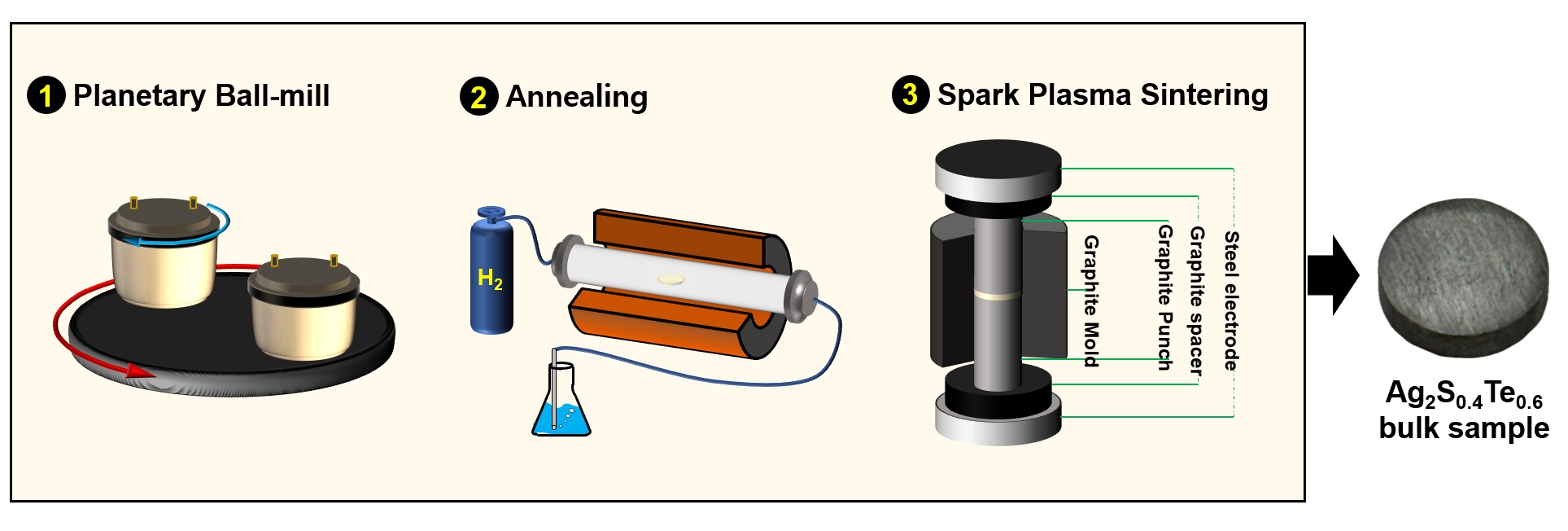
- A Powder-Metallurgical Route to Ag2(Te,S) Compounds and Their Thermoelectric Properties
- Seungki Jo, Yoojeong Ji, Linh Ba Vu, Kyung Tae Kim
- J Powder Mater. 2026;33(3):214-220. Published online June 30, 2026
- DOI: https://doi.org/10.4150/jpm.2026.00122
- Funded: Korea Institute of Materials Science, National Research Foundation of Korea
- 774 View
- 6 Download
-
Abstract
PDF
- Silver chalcogenides have attracted considerable attention as promising materials for wearable power generation because they combine mechanical ductility with favorable thermoelectric properties. However, most reported synthesis methods rely on high-temperature melting and annealing, which offer limited microstructural control and therefore restrict opportunities for further performance improvement. In this study, Ag2S0.4Te0.6 compounds were synthesized through a powder-metallurgical route that combined mechanical alloying with rapid densification by spark plasma sintering. Ball milling produced amorphized microscale powders, which were successfully consolidated at different sintering temperatures. The sample sintered at 600 °C exhibited the highest power factor, mainly because of its optimized electrical transport properties, and achieved zT values of approximately 0.32 near room temperature and approximately 0.50 at 473 K. These results indicate that powder-metallurgical processing is a viable strategy for tailoring transport properties and improving the thermoelectric performance of silver chalcogenide materials for wearable applications.
- [English]
- Interfacial Characterization of Al2O3-Coated p-Type Bi–Sb–Te Powders by Thermal and UV-assisted Atomic Layer Deposition
- Jin Kyeong Shin, Yeongtae Choi, Byung Joon Choi
- J Powder Mater. 2026;33(3):221-229. Published online June 30, 2026
- DOI: https://doi.org/10.4150/jpm.2026.00108
- Funded: National Research Foundation of Korea, Ministry of Education
- 751 View
- 5 Download
-
Abstract
PDF
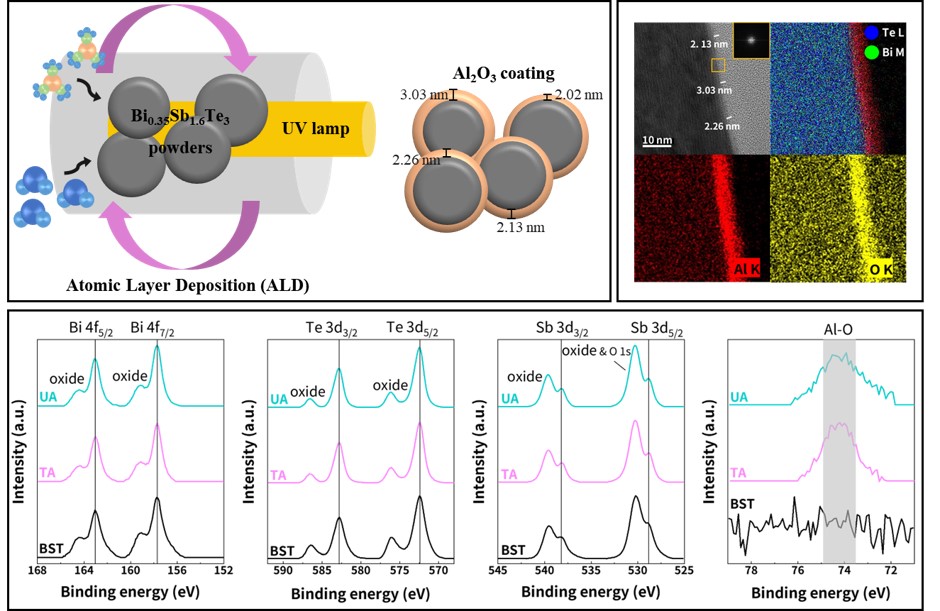
- Interface engineering is an effective strategy for enhancing thermoelectric performance by modulating carrier and phonon transport at interfaces. Atomic layer deposition (ALD), which enables uniform, conformal, and thickness-controlled coatings, is particularly well-suited for this purpose. In this study, p-type Bi0.35Sb1.6Te3 (BST) powders were coated with Al2O3 using thermal ALD and UV-assisted ALD (UV-ALD) at 85 °C. Scanning electron microscopy showed that neither process substantially altered the morphology of the BST powders. However, particle size analysis revealed that the UV-ALD sample exhibited a greater tendency toward partial agglomeration, which may be associated with the more pronounced OH-related band observed in the Fourier-transform infrared spectroscopy results. Cs-corrected scanning transmission electron microscopy and energy-dispersive X-ray spectroscopy mapping revealed continuous Al₂O₃-based coating layers approximately 2–3 nm thick on the BST particle surfaces, forming a core–shell structure. Fast Fourier transform analysis suggested that the coating layers were amorphous, and X-ray photoelectron spectroscopy indicated Al–O bond formation while the main chemical states of BST were preserved. These results demonstrate that both thermal ALD and UV-ALD can effectively deposit continuous amorphous Al₂O₃-based interfacial layers on BST powders, providing a structural basis for future studies of interface-engineered thermoelectric materials.
- [English]
- Heat-Treatment-Induced Deformation Shift in LPBF-Fabricated Heterogeneous Microstructured Al–Zn–Mg–Cu Alloys
- Jungho Choe, Ji Hun Yu, Jina Kwak
- J Powder Mater. 2026;33(3):184-194. Published online June 30, 2026
- DOI: https://doi.org/10.4150/jpm.2026.00136
- Funded: Korea Institute of Materials Science
- 778 View
- 7 Download
-
Abstract
PDF
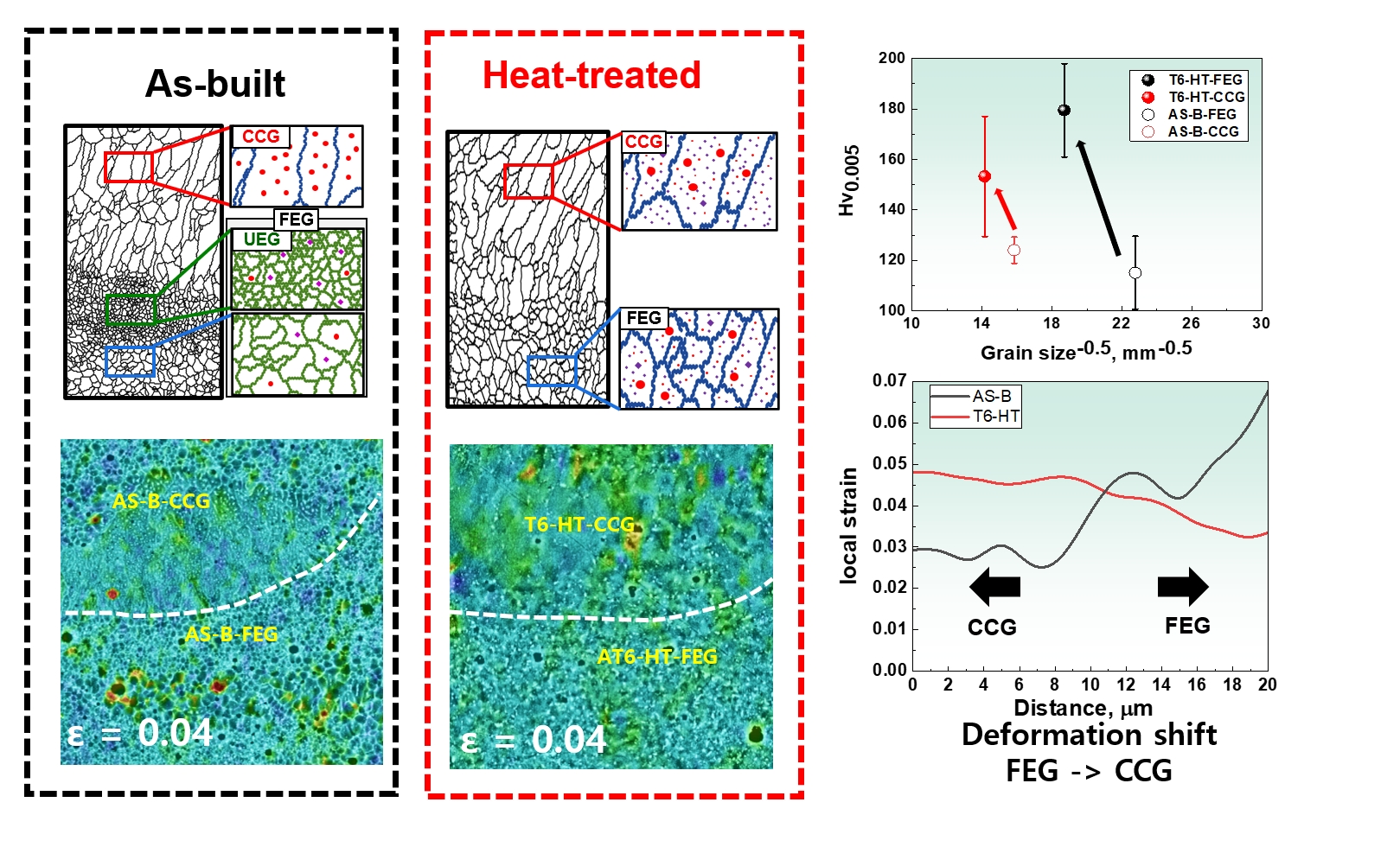
- This study investigated the effect of T6 heat treatment on the tensile properties and deformation behavior of heterogeneous microstructured Al–Zn–Mg–Cu alloys fabricated by laser powder bed fusion. In the as-built state, pronounced microstructural heterogeneity, including non-uniform precipitate distributions and solute segregation concentrated in the coarse columnar grain (CCG) regions, promoted strain localization within the fine equiaxed grain (FEG) regions. This architectural imbalance produced a high ratio of hetero-deformation-induced (HDI) stress to overall flow stress. T6 heat treatment induced solute homogenization and more uniform precipitation across the matrix, together with grain growth that largely eliminated the distinct ultrafine equiaxed grain zones. These changes caused a clear hardness reversal between the FEG and CCG regions, shifting strain localization toward the CCG regions. Consequently, although the absolute magnitude of HDI stress increased with the higher flow stress, its relative contribution decreased because of the homogenized architecture. Despite reduced uniform elongation caused by early necking, overall tensile ductility improved substantially through suppression of premature intergranular cracking in the FEG regions, clarifying the relationship between microstructural evolution and deformation behavior.
- [English]
- Fabrication and Thermal Conductivity of Boron Nitride Nano Barb/Acrylic Polymer Nanocomposites
- Hyojeong Lee, Jiyeon Koo, Eunsu Park, Hyunjoo Choi
- J Powder Mater. 2026;33(3):230-238. Published online June 30, 2026
- DOI: https://doi.org/10.4150/jpm.2026.00143
- Funded: National Research Foundation of Korea, Ministry of SMEs and Startups
- 737 View
- 5 Download
-
Abstract
PDF
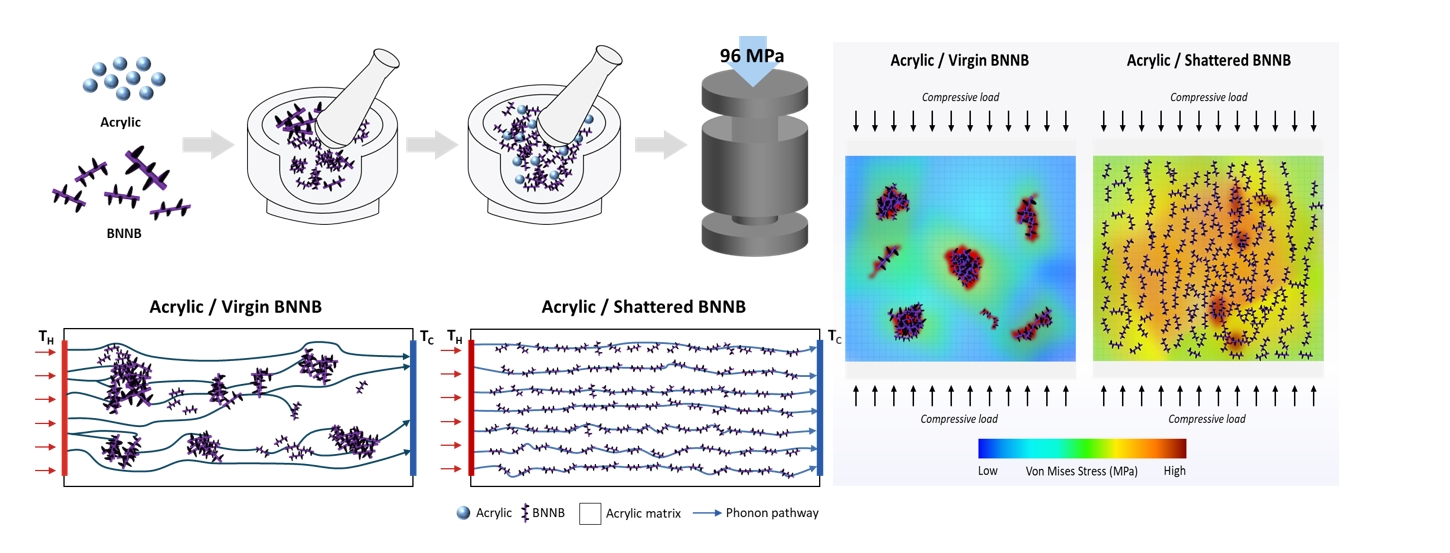
- The effect of manual mortar-grinding pretreatment on the thermal and mechanical properties of Boron Nitride Nano Barb (BNNB)-filled acrylic polymer composites was investigated. Composites incorporated with 5 wt.% (≈3 vol.%) of either virgin or mechanically fractured (shattered) BNNB were fabricated via hot-pressing of a thermoplastic acrylic resin at 230°C under 96 MPa for 90 min. Vickers hardness increased from 20.4 HV for neat acrylic to 29.2 HV (+43.1%) for the shattered BNNB composite, which is attributed to the omnipresent activation of barb-mediated mechanical interlocking within the polymer matrix. Thermal conductivity improved by 18.1% and 34.7% relative to neat acrylic for the Acrylic/Virgin BNNB and Acrylic/Shattered BNNB composites, respectively. The superior thermal performance is attributed to a phonon bridging network formed through barb-mediated contact between dispersed BNNB fragments, supported by experimental values exceeding Lewis–Nielsen model predictions. These results demonstrate that simple manual grinding simultaneously enhances mechanical and thermal properties without chemical surface modification, offering a practical strategy for thermally conductive polymer composite design.
- [English]
- Phase Formation Behavior and Piezocatalytic Properties of Sodium Bismuth Titanate-Based Perovskite Fine Powders Prepared by Ultrasonic Spray Pyrolysis
- Hee Yeon Jeon, Jae Min Park, Ju Eun You, Young-In Lee
- J Powder Mater. 2026;33(3):239-248. Published online June 30, 2026
- DOI: https://doi.org/10.4150/jpm.2026.00129
- Funded: Technology Innovation Program, Ministry of Trade, Industry and Resources, Ministry of Trade, Industry and Resources
- 865 View
- 6 Download
-
Abstract
PDF
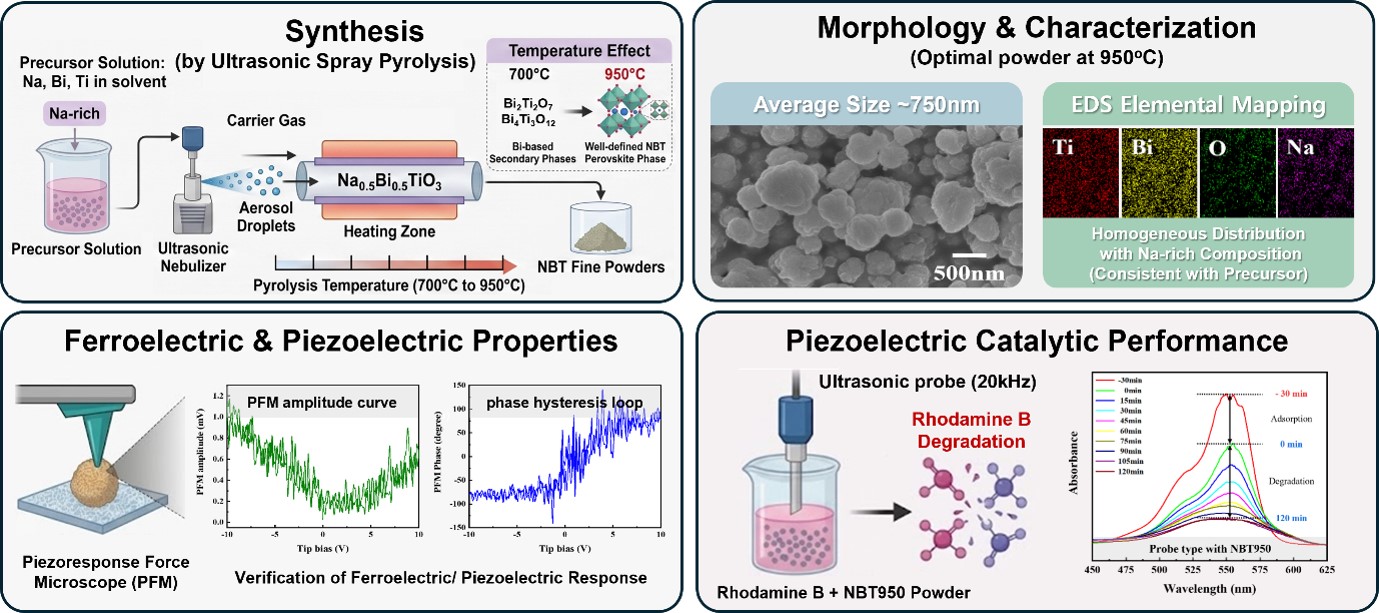
- Sodium bismuth titanate (Na0.5Bi0.5TiO3, NBT) is a representative lead-free piezoelectric ceramic with ferroelectric and piezoelectric properties, promising candidate for piezocatalytic applications driven by mechanical vibration. In this study, NBT-based perovskite fine powders were prepared by ultrasonic spray pyrolysis (USP), a continuous aerosol process based on droplet-level reaction control. The effect of pyrolysis temperature, varied from 700oC to 950oC, on phase formation and particle morphology was investigated. At lower temperatures, Bi-based secondary phases predominated, whereas the perovskite phase gradually developed with increasing temperature. The powder synthesized at 950oC exhibited a well-defined perovskite crystal structure with improved crystallinity. FE-SEM analysis showed that the powders consisted of spherical particles with an average size of approximately 750 nm, without severe interparticle agglomeration. EDS analysis confirmed a relatively homogeneous distribution of Na, Bi, Ti, and O, with Na-rich composition, consistent with Na-rich precursor condition. Piezoresponse force microscope (PFM) measurements verified the ferroelectric and piezoelectric responses of the powder synthesized at 950oC. In Rhodamine B degradation tests under probe-type ultrasonication, adding the NBT-based powder increased the reaction rate constant from 7.96×10⁻³ to 1.16×10⁻² min-1. These results suggest that USP is a feasible continuous process for preparing NBT-based perovskite fine powders for lead-free piezocatalytic applications.
Critical Review
- [English]
- X-Ray Imaging of Solid-State Sintering and Laser Powder Bed Fusion: A Review of Process Monitoring and Defect Evolution
- Wonjun Cho, Woobin Cho, Seongheon Park, Donghwan Son, Insung Han
- J Powder Mater. 2026;33(2):145-158. Published online April 30, 2026
- DOI: https://doi.org/10.4150/jpm.2025.00479
- Funded: Pohang University of Science and Technology, Ministry of Education
- 1,146 View
- 11 Download
-
Abstract
PDF
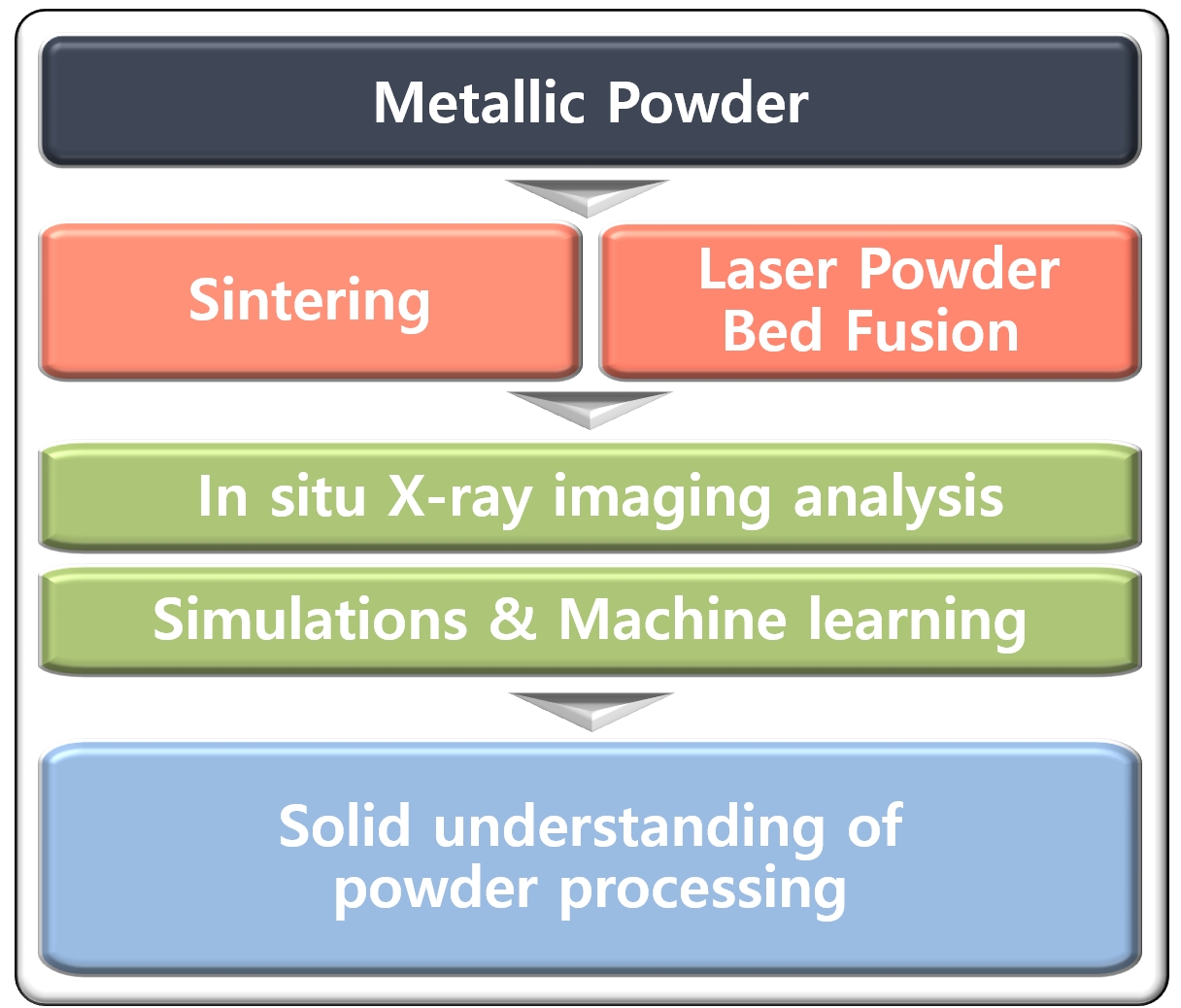
- X-ray imaging has become essential for understanding powder-based metal processing. In solid-state sintering, synchrotron tomography reveals particle rearrangement, neck growth, and pore evolution, clarifying how packing heterogeneity and particle-size distribution govern densification. In laser powder bed fusion, high-speed radiography captures microsecond-scale melt-pool behavior, including keyhole dynamics, vapor-jet entrainment, spatter formation, and bubble-mediated porosity, thereby enabling mechanistic links between processing conditions and defect generation. Nonetheless, current X-ray methods face trade-offs between spatial and temporal resolution and often remain qualitative. Integrating operando imaging with physics-based simulations and machine-learning models offers a path toward quantitative prediction and real-time control. This review summarizes recent progress and highlights key challenges and opportunities for advancing operando characterization of powder-based metal processes.
Research Articles
- [English]
- Influence of Cobalt Content on Phase Formation and Morphology in Co-Zn-O Oxides
- Deukhyeon Nam, Sungdo Yun, Bo Eun Choi, Chan Woong Na, Yoon Myung
- J Powder Mater. 2026;33(2):104-112. Published online April 30, 2026
- DOI: https://doi.org/10.4150/jpm.2026.00052
- Funded: National Research Foundation of Korea
- 1,227 View
- 12 Download
-
Abstract
PDF
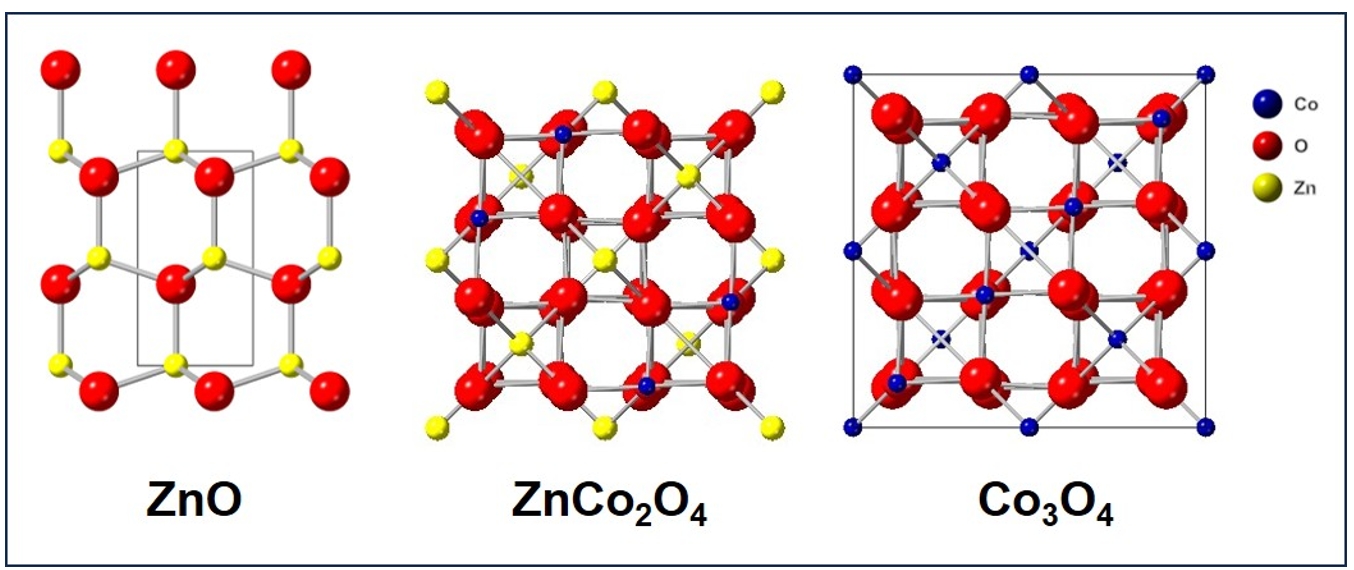
- Co–Zn–O–based materials have attracted attention for applications in energy storage and catalysis. In this study, the effects of cobalt incorporation on the crystal phase and particle morphology of Co–Zn–O oxides were investigated. ZnO-based oxides were synthesized using a reflux method, and the influence of cobalt content on phase formation and morphology was systematically evaluated. As the cobalt precursor concentration increased, scanning electron microscopy–energy dispersive X-ray spectroscopy confirmed higher cobalt incorporation. This compositional variation was accompanied by changes in particle morphology, including nanoparticles, disk-like structures, and occasional rod-like features. X-ray diffraction and Raman spectroscopy showed that samples with low cobalt content retained the wurtzite ZnO phase, whereas higher cobalt concentrations led to formation of a ZnO/ZnCo2O4 composite. X-ray photoelectron spectroscopy revealed comparable binding energies among samples, while differences in peak width suggested variations in the local coordination environment of cobalt. These results indicate that cobalt content significantly influences phase composition and particle morphology in Co–Zn–O oxides synthesized under reflux conditions.
- [Korean]
- Effect of Powder Preparation Method on the Microstructural Characteristics of Sintered W-7Ni-3Cu Heavy Alloy
- Youngmin Kim, Ji Young Kim, Minju Son, Wonyong Kwon, Eui Seon Lee, Sung-Tag Oh
- J Powder Mater. 2026;33(2):113-118. Published online April 30, 2026
- DOI: https://doi.org/10.4150/jpm.2026.00038
- Funded: National Research Foundation of Korea
- 966 View
- 11 Download
-
Abstract
PDF
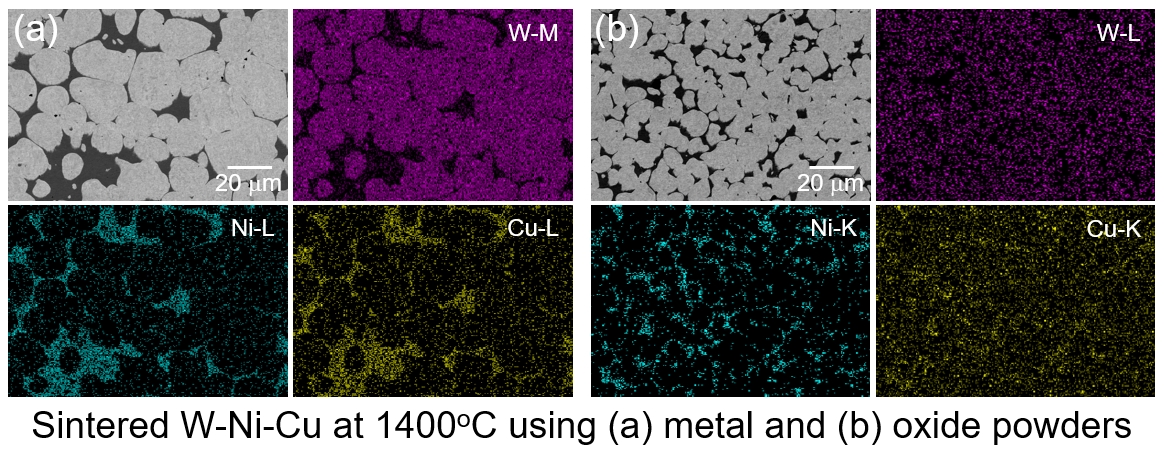
- The effect of powder characteristics and sintering temperature on the properties of W-7Ni-3Cu is investigated. The heavy alloy powders were prepared by ball milling and hydrogen reduction of elemental metal or metal oxide powders. Microstructural analysis revealed that the powder mixtures reduced by hydrogen at 800oC consist of a trace amount of Ni4W phase along with the metal W phase and Ni-Cu solid solution. Additionally, compared to metal powder, the powder mixture using oxide as raw material exhibited a relatively fine particle size. The W-7Ni-3Cu alloys sintered using oxide powders had relative density of over 99%, whereas the specimens using metal powders as a raw material showed relatively low values of 87.8~98.2%. The Vickers hardness of the sintered specimens using oxide powder was 3.34–3.92 GPa, which was higher than that of 2.39–3.22 GPa measured when using metal powders. The observed results can be attributed to the relatively high density and the reduced grain size.
- [English]
- Ultrasonic Nanocrystal Surface Modification of 3D Interconnected Heterostructured Complex Concentrated Alloys Produced by Liquid Metal Dealloying: Microstructural Evolution and Wear Behavior
- Jumi Choi, Yeji Kim, Munsu Choi, Jae Hyuk Lee, Dong Jun Lee, Auezhan Amanov, Soo-Hyun Joo, Hyoung Seop Kim
- J Powder Mater. 2026;33(2):91-103. Published online April 30, 2026
- DOI: https://doi.org/10.4150/jpm.2026.00045
- Funded: National Research Foundation of Korea, Ministry of Science and ICT
- 1,050 View
- 21 Download
-
Abstract
PDF
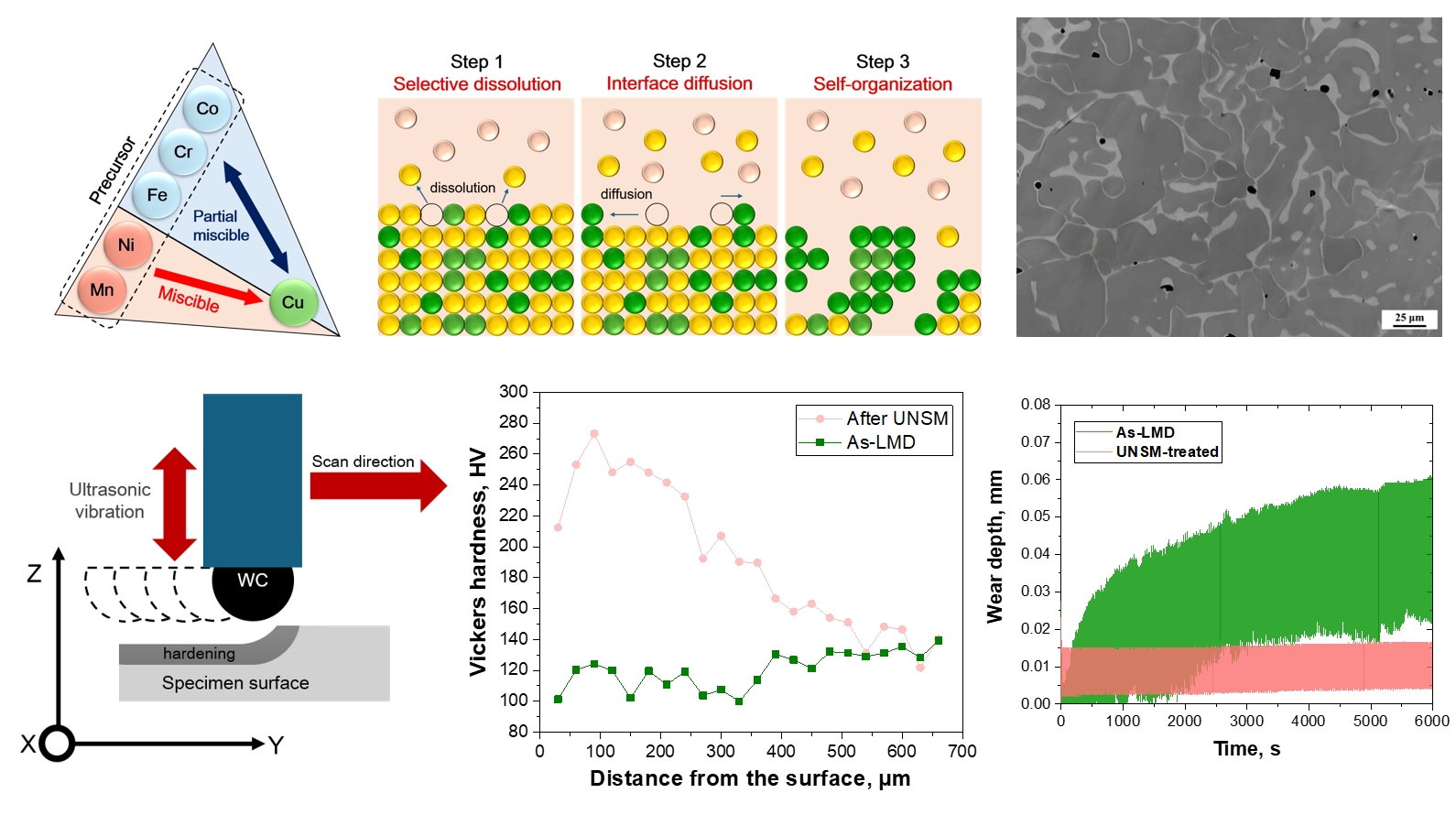
- This study investigates the effects of ultrasonic nanocrystal surface modification (UNSM) on the microstructural evolution and tribological performance of a three-dimensional interconnected heterostructured compositionally complex alloy fabricated by liquid metal dealloying (LMD). The as-LMD microstructure comprises an interconnected Cu-rich phase and a CoCrFe-rich ligament phase. Electron backscatter diffraction reveals pronounced severe plastic deformation near the surface after UNSM, characterized by subgrain formation and increased intragranular misorientation. The kernel average misorientation distribution reveals a pronounced depth-dependent deformation gradient, with dislocations preferentially accumulating at the interphase boundaries. Vickers hardness increases from approximately 100–120 HV in the as-LMD condition to greater than 270 HV at the surface after UNSM, and the hardening effect remains detectable to a depth of approximately 500 μm. Compressive residual stresses are concentrated within the surface-adjacent ~50 μm. The solid ligament phase exhibits higher compressive residual stress than the Cu-rich phase, reflecting phase-dependent deformation accommodation and stress partitioning. Reciprocating wear tests show a narrower wear track, a markedly reduced wear depth, and a lower and more stable friction coefficient after UNSM. Microscopy shows oxide-layer cracking and delamination in the as-LMD condition, whereas the UNSM-treated surface exhibits minor abrasive wear of the tribo-film without delamination.
- [English]
- Effect of Compositional Trade-off Between Cr and Mo on the Corrosion Resistance of Additively Manufactured Co-Cr-Fe-Ni-Mo High-Entropy Alloys
- Jeongmin Lee, Yeonghwan Song, Jae Hyuk Lee, Sung-Jae Jo, Minho Shin, Hyunbin Lim, Soon-Jik Hong, Soo-Hyun Joo
- J Powder Mater. 2026;33(2):137-144. Published online April 30, 2026
- DOI: https://doi.org/10.4150/jpm.2026.00087
- Funded: Ministry of Trade, Industry and Energy, National Research Foundation of Korea
- 1,085 View
- 25 Download
-
Abstract
PDF
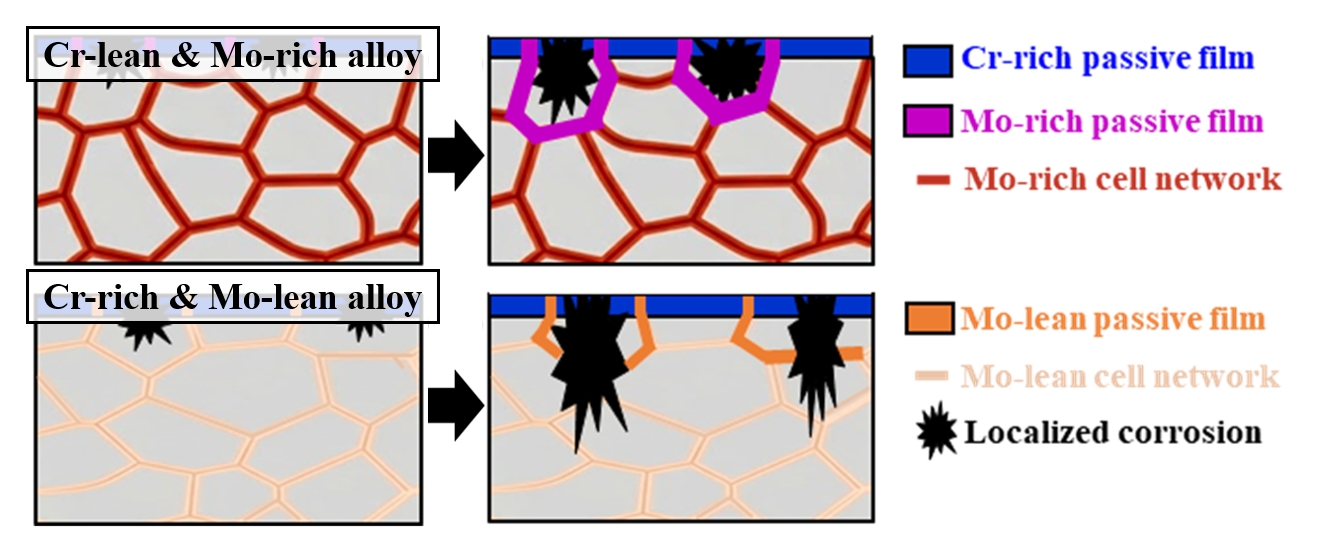
- In this study, the corrosion behavior of Co-Cr-Fe-Ni-Mo high-entropy alloys additively manufactured via direct energy deposition was investigated according to the compositional trade-off between Cr and Mo elements. Two distinct alloy compositions were fabricated by adjusting the feeding rate of two powders with different chemical compositions through a dual nozzle. Electrochemical testing in a 3.5 wt% NaCl solution revealed that the Cr-rich and Mo-lean alloy exhibited inferior corrosion resistance compared to the Cr-lean and Mo-rich alloy. Specifically, the corrosion potential of the Cr-rich and Mo-lean alloy shifted negatively by approximately 200 mV compared to the Cr-lean and Mo-rich alloy, accompanied by an increase in corrosion current density and the pronounced initiation of localized pitting. This deterioration is attributed to a lack of passivation caused by the small amount of Mo in the Cr-rich and Mo-lean alloy. The passive film of the Cr-lean and Mo-rich alloy was more robust, characterized by a higher concentration of Mo, which effectively inhibited pit propagation through repassivation. These findings demonstrate that maintaining a critical Cr-Mo balance is more vital for the electrochemical stability of additively manufactured high-entropy alloys than unilateral Cr enrichment.
- [English]
- Analysis of Sintering Behavior and Microstructure of Mo-Ta Alloy under Different Sintering Conditions
- Byungheon Oh, Geon Kim, Jio Yoon, Dongju Lee
- J Powder Mater. 2026;33(2):130-136. Published online April 30, 2026
- DOI: https://doi.org/10.4150/jpm.2026.00080
- Funded: Korea Institute of Energy Technology Evaluation and Planning
- 1,026 View
- 14 Download
-
Abstract
PDF
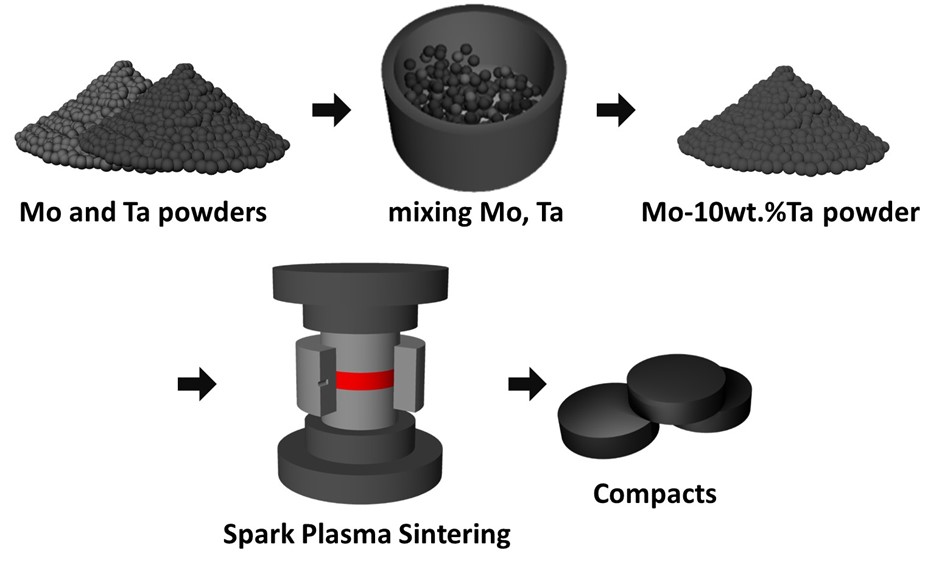
- Molybdenum-tantalum (Mo-Ta) alloy sputtering targets are widely used in electronic applications owing to their excellent corrosion resistance, high thermal and electrical conductivity, and low electrical impedance. In this study, the sintering behavior and microstructural evolution of Mo-Ta alloys fabricated by spark plasma sintering (SPS) were investigated as a function of sintering temperature in the range of 1650-1800 °C. X-ray diffraction and microstructural analyses indicate that densification and alloying of the mixed Mo and Ta powders occur simultaneously during the SPS process. Increasing the sintering temperatures significantly enhances densification, and the compact sintered at 1750 °C achieves a relative density exceeding 99%, which is essential for high-quality sputtering target applications. The sintered alloys exhibit a clear temperature-dependent grain growth behavior together with a homogeneous microstructure and randomly oriented grains. These results demonstrate that appropriate control of sintering temperature enables the fabrication of dense and microstructurally uniform Mo-Ta alloys, providing valuable guidelines for optimizing sputtering target performance.
- [English]
- Influence of Ta Addition on Austenite Stability and Strain-Induced Martensite Transformation in Sintered Fe-7Mn Alloy
- Seunghyeok Choi, Sungjin Kim, Junho Lee, Seok-Jae Lee
- J Powder Mater. 2026;33(2):119-129. Published online April 30, 2026
- DOI: https://doi.org/10.4150/jpm.2026.00066
- Funded: Ministry of Trade, Industry and Energy
- 903 View
- 7 Download
-
Abstract
PDF
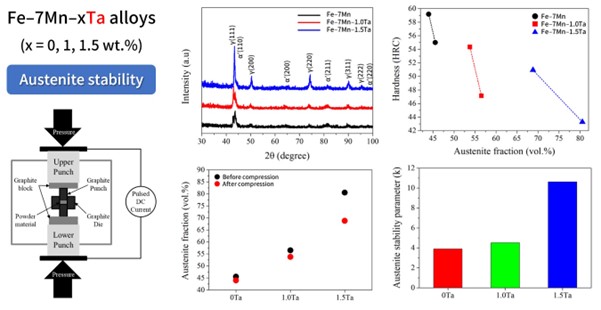
- This study examines the effect of Ta addition on austenite stability and strain-induced martensitic transformation behavior in Fe–7Mn alloys fabricated by powder metallurgy. Fe–7Mn–xTa alloys (x = 0, 1, and 1.5 wt.%) were produced via mechanical alloying followed by spark plasma sintering, achieving nearly full relative density for all compositions. With increasing Ta content, the initial retained austenite fraction significantly increased, reaching 80.55 vol.% in the Fe–7Mn–1.5Ta alloy. EBSD analysis revealed a grain coarsening tendency with Ta addition, indicating that the increase in retained austenite fraction could not be explained solely by grain refinement. Compression tests up to 20% strain showed strain-induced martensitic transformation in all alloys, with substantially more pronounced transformation observed in the Fe–7Mn–1.5Ta alloy. The Burke–Matsumura–Tsuchida model showed that the austenite stability parameter (k), where higher values indicate lower stability, increased from 3.89 to 10.62 with Ta addition. Ta thus exhibits a dual effect: promoting retained austenite after sintering while reducing its deformation stability. The hardening efficiency per unit martensite fraction decreased with Ta content, and a preliminary correlation between k and hardening efficiency suggests that austenite stability governs the mechanical response of Fe–Mn-based alloys.
- [English]
- Structural, Electrical, and Optical Properties of Al–Mg Co-Doped ZnO Thin Films
- Jong-Mu Kim, Jun-Seo Park, Jun-Ha Lee, Min-Woo Kim, Jung-Woo Lee
- J Powder Mater. 2026;33(1):44-50. Published online February 28, 2026
- DOI: https://doi.org/10.4150/jpm.2026.00031
- Funded: National Research Foundation of Korea
- 1,518 View
- 24 Download
-
Abstract
PDF
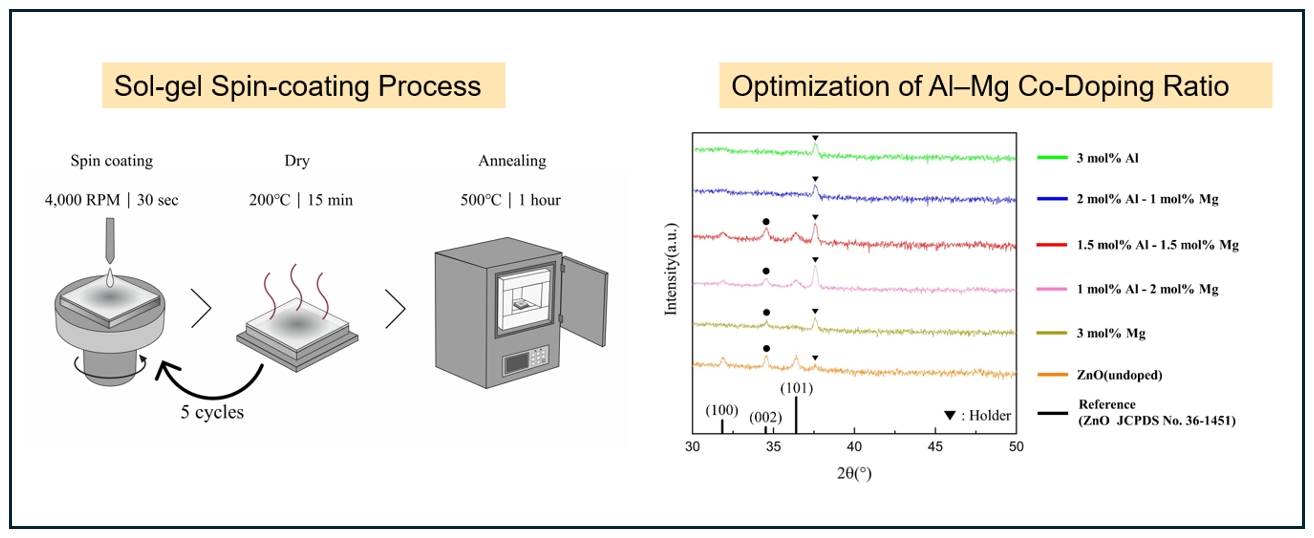
- Al–Mg co-doped ZnO thin films were fabricated by a sol–gel spin-coating process to investigate the effect of dopant ratio on their structural, electrical, and optical properties. The total dopant concentration was fixed at 3 mol%, while the Al-to-Mg ratio was systematically varied in AlₓMg₀.₀₃₋ₓZn₀.₉₇O (0 ≤ x ≤ 0.03). X-ray diffraction analysis showed that the films maintained a hexagonal wurtzite structure with a preferred (002) orientation up to an Al concentration of 1.5 mol%, whereas higher Al contents resulted in a degradation of crystallinity due to exceeding the solid solubility limit of Al in the ZnO lattice. Hall effect measurements revealed a decrease in carrier mobility with increasing Al content, attributed to enhanced ionized impurity scattering, while the carrier concentration and electrical conductivity reached optimal values at an Al–Mg co-doping ratio of 1.5 mol%–1.5 mol%. All films exhibited high optical transmittance in the visible region, with the highest average transmittance of approximately 83% observed at the same composition. These results demonstrate that controlling the Al/Mg dopant ratio is crucial for optimizing the performance of ZnO-based transparent conducting oxide thin films.
- [Korean]
- Study on Particle Shape Control and Characterization of SUS316L Flake Powder Fabricated by Wet Milling Process
- Jae Hyeok Wi, Si Hong Ryu, Seong Eui Lee
- J Powder Mater. 2026;33(1):37-43. Published online February 28, 2026
- DOI: https://doi.org/10.4150/jpm.2026.00017
- Funded: Ministry of Trade Industry & Energy
- 1,593 View
- 22 Download
-
Abstract
PDF
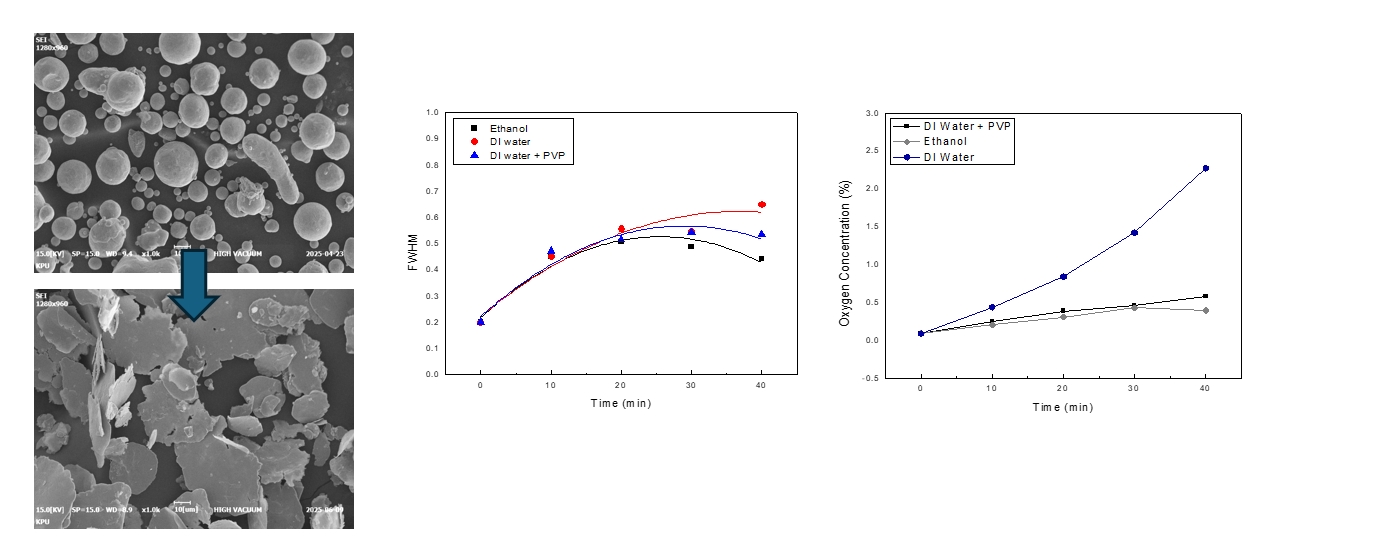
- In this study, a particle shape control process was developed to fabricate flake-like SUS316L powders about 20 µm for application in semiconductor gas filters. The Flake powder was produced through a wet milling process using a Planetary Mill by varying the rotation speed, milling time, solvent, and polyvinylpyrrolidone (PVP) dispersant conditions. The fabricated powders were then characterized to evaluate their morphological and phase transformation behaviors. In the ethanol-based Planetary Milling process, as the rotation speed increased from 300, 400, 500 rpm, the powder morphology was observed to gradually change from spherical to flake-like due to the increase in milling energy. According to the XRD, as the rotation speed increased, a phase transformation from austenite to martensite occurred due to the increase in heat generation and collisions between the powder and balls. In addition, an increase in Full Width at Half Maximum (FWHM) was observed, indicating a decrease in crystallinity. Under different solvent and dispersant conditions, the addition of 5 wt% PVP to the deionized water (DI Water) solvent suppressed particle fracture and produced more uniform flake-like particles compared with the DI Water process without PVP. In addition, a smaller FWHM and reduced oxygen content were observed.
- [English]
- Microstructure and Properties Comparison of Pure Cu and Cu-5 wt.% Al2O3 Composite Processed by Spark Plasma Sintering
- Dinh Van Cong, Dong-Wan Lee, Su-Wan Lee, Nguyen Minh Thuyet, Nguyen Viet Hoang, Jin-Chun Kim
- J Powder Mater. 2026;33(1):51-60. Published online February 28, 2026
- DOI: https://doi.org/10.4150/jpm.2025.00472
- Funded: National Research Foundation of Korea, Ministry of Trade, Industry & Energy
- 1,376 View
- 17 Download
-
Abstract
PDF
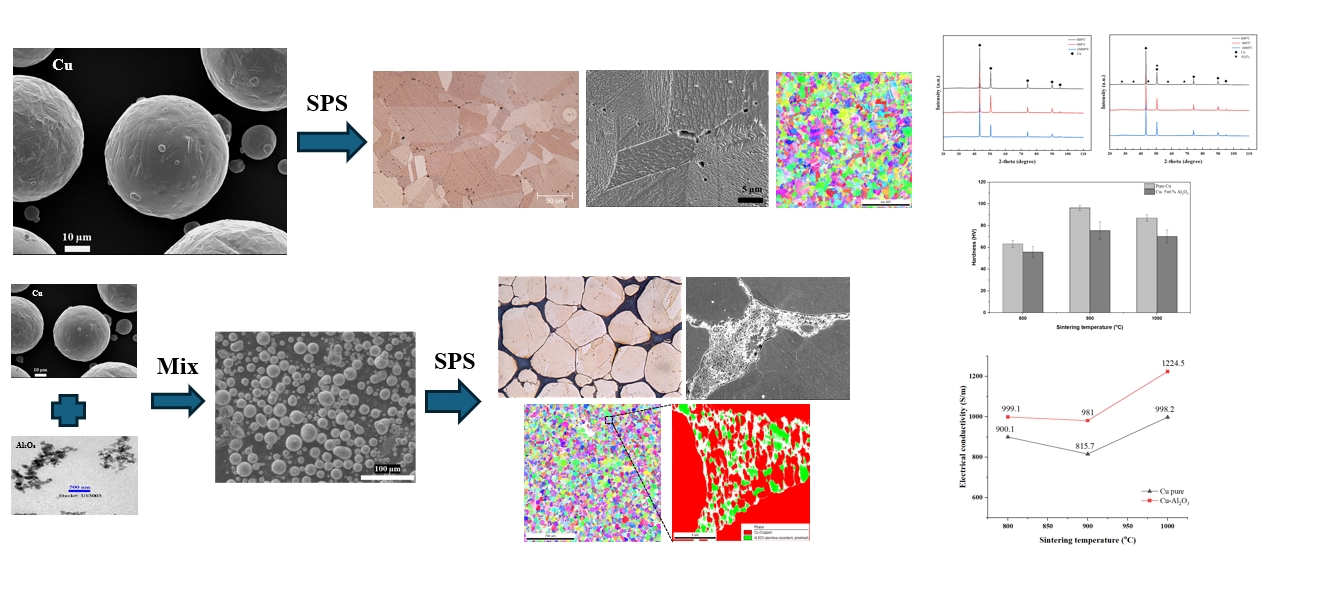
- This study compares the microstructure and properties of pure Cu and Cu-5 wt.% Al2O3 composites fabricated by spark plasma sintering under strictly identical processing conditions at 800-1000 °C. Pure Cu samples achieved near-full densification and exhibited a bimodal grain structure dominated by coarse grains with increasing sintering temperature. In contrast, the composite samples showed lower density and non-monotonic densification behavior, with a minimum relative density at 900 oC and significantly refined equiaxed grains due to strong grain-boundary pinning by nano Al2O3 particles. The higher fractions of high-angle boundaries and pronounced orientation disruption were observed in the composite samples, while high-resolution analysis confirmed the presence of grain-boundary Al2O3-rich regions that restricted Cu grain coalescence and continuity of grain boundary migration. X-ray diffraction results confirmed the absence of reaction phases in both materials. Hardness peaked at 900 °C for both samples, and the composite samples showed consistently lower hardness due to retained porosity. The apparent electrical conductivity of the composite displays a non-linear temperature dependence, reflecting the competing influences of densification, microstructural recovery, and the insulating nature of Al2O3.
- [English]
- Microstruture and Mechanical Properties of Ti.Grade12-Ti/TiN/WC Composite Produced by Spark Plasma Sintering Process
- Hyun-Su Kim, Su-Gwan Lee, Dinh Van Cong, Jun-Seo Park, Ha-Seung Ryu, Jin-Chun Kim, Seung-Ick Lee
- J Powder Mater. 2026;33(1):1-12. Published online February 28, 2026
- DOI: https://doi.org/10.4150/jpm.2025.00486
- Funded: Korea Planning&Evaluation Institute of Industrial Technology, Korea Institute for Advancement of Technology
- 1,530 View
- 34 Download
-
Abstract
PDF
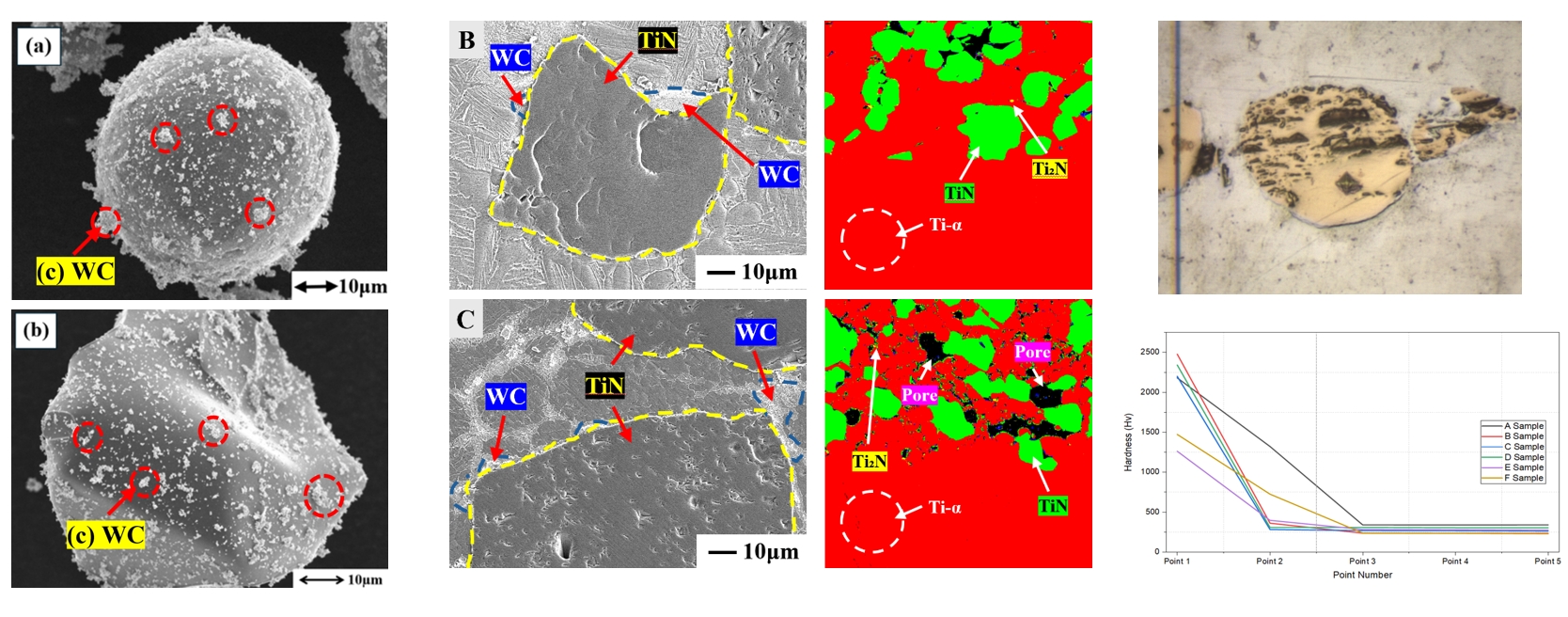
- Ti.Grade12 is widely used in chemical processing, power generation, and nuclear industries because of its excellent corrosion resistance and mechanical strength, enhanced by alloying elements such as Ni and Mo. Ceramic reinforcements such as TiN have been reported to significantly improve the surface hardness and wear resistance of titanium-based materials. Furthermore, nano-sized WC particles can suppress excessive intermetallic compound formation and stabilize the Ti matrix through grain boundary pinning and microstructural control mechanisms. However, strong interfacial bonding between Ti and ceramic reinforcements generally requires high temperatures and prolonged sintering times, which may induce undesirable secondary phase formation. Therefore, optimizing the mixing ratio of Ti, TiN, and WC is essential to achieve a homogeneous interface and a stable composite structure. In this study, a composite layered structure was fabricated on a Ti.Grade12 substrate using mixed Ti, TiN, and nano-sized WC powders via Spark Plasma Sintering. A composition of 60 wt% Ti, 35 wt% TiN, and 5 wt% WC formed a stable coating layer without secondary phases and achieved a micro vickers hardness of approximately 2400 Hv.
- [English]
- Effect of Bimodal WC Particle Size Distribution on the Mechanical Properties of WC–Mo2C–Co Cemented Carbides
- Jinwoo Seok, Jong Tae Kim, Juree Jung, Bin Lee, Junhee Han, Leeseung Kang
- J Powder Mater. 2026;33(1):13-21. Published online February 28, 2026
- DOI: https://doi.org/10.4150/jpm.2025.00500
- Funded: Ministry of Trade Industry & Energy
- 1,527 View
- 22 Download
-
Abstract
PDF
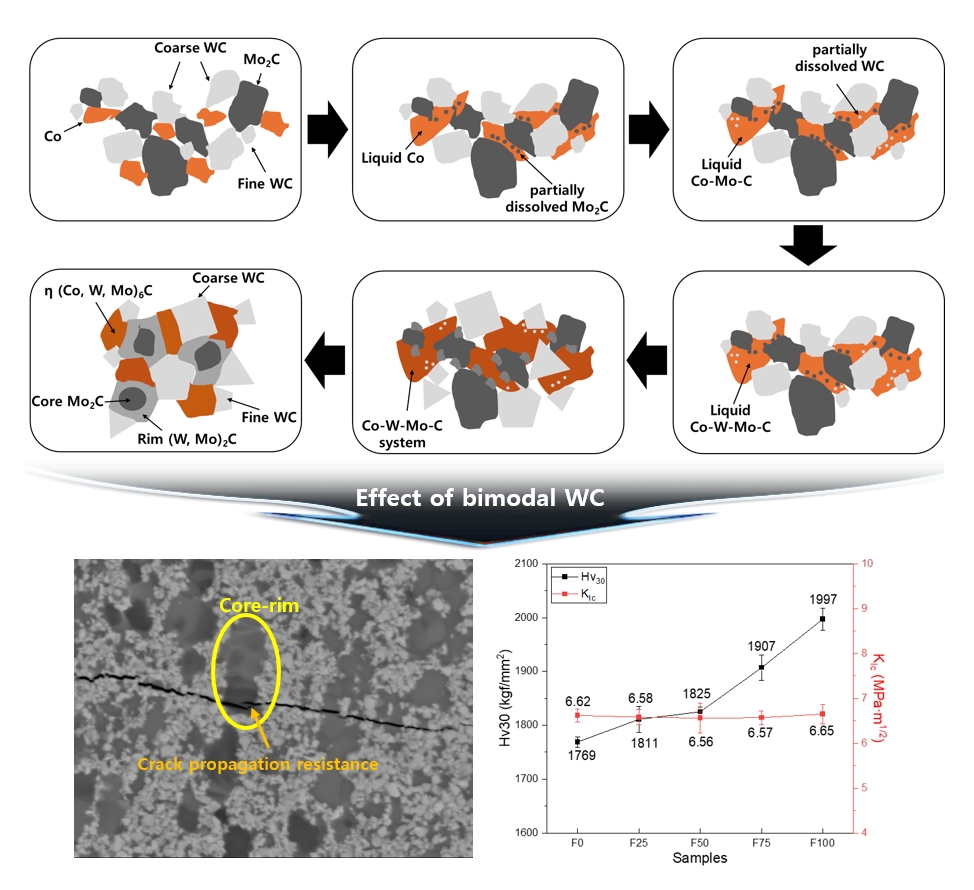
- In this study, the influence of bimodal WC particle size design on the microstructure and mechanical properties of WC–27 wt.% Mo₂C–10 wt.% Co cemented carbides was systematically investigated. Bimodal hard-phase designs were realized by combining ultrafine WC (300 nm) and coarse WC (1.8 μm) at various ratios, followed by consolidation via spark plasma sintering (SPS). During sintering, Mo₂C preferentially dissolved into the Co-rich liquid phase due to its higher solubility than WC, forming a Co–Mo–C liquid. During sintering progresses, ultrafine WC selectively dissolved owing to its high interfacial energy, gradually transforming the liquid composition into a Co–Mo–W–C system. Owing to the short holding time and rapid cooling rate of SPS, the η-phase (M₆C) formed during sintering remained metastable. Meanwhile, selective dissolution–reprecipitation resulted in the formation of Mo₂C-based core–rim structures with W enrichment in the rim region as (Mo, W)₂C. As the fraction of ultrafine WC increased, the hardness increased from 1769 to 1997 kgf/mm2, whereas the fracture toughness exhibited an insignificant difference from 6.56 to 6.65 MPa•m¹ᐟ². Fracture behavior analysis revealed that crack deflection and crack bridging occurred at the Mo₂C core–rim interfaces, effectively suppressing straight crack propagation. These results demonstrate that the introduction of ultrafine WC plays a dominant role in enhancing mechanical performance, and that bimodal WC design combined with Mo₂C addition is a highly effective strategy for developing high-performance cemented carbides for machining
- [English]
- The Optimization of L-PBF Process for Economical & High Performance Using SiO2 Nanoparticle-Coated Non-Spherical Ti Powder
- Taehu Kang, Ukju Gim, Sehun Kim, Jongik Lee, Sanghee Jeong, Jimin Han, Bin Lee
- J Powder Mater. 2026;33(1):22-36. Published online February 28, 2026
- DOI: https://doi.org/10.4150/jpm.2026.00024
- Funded: National Research Foundation of Korea, Korea Institute of Energy Technology Evaluation and Planning
- 1,997 View
- 31 Download
-
Abstract
PDF
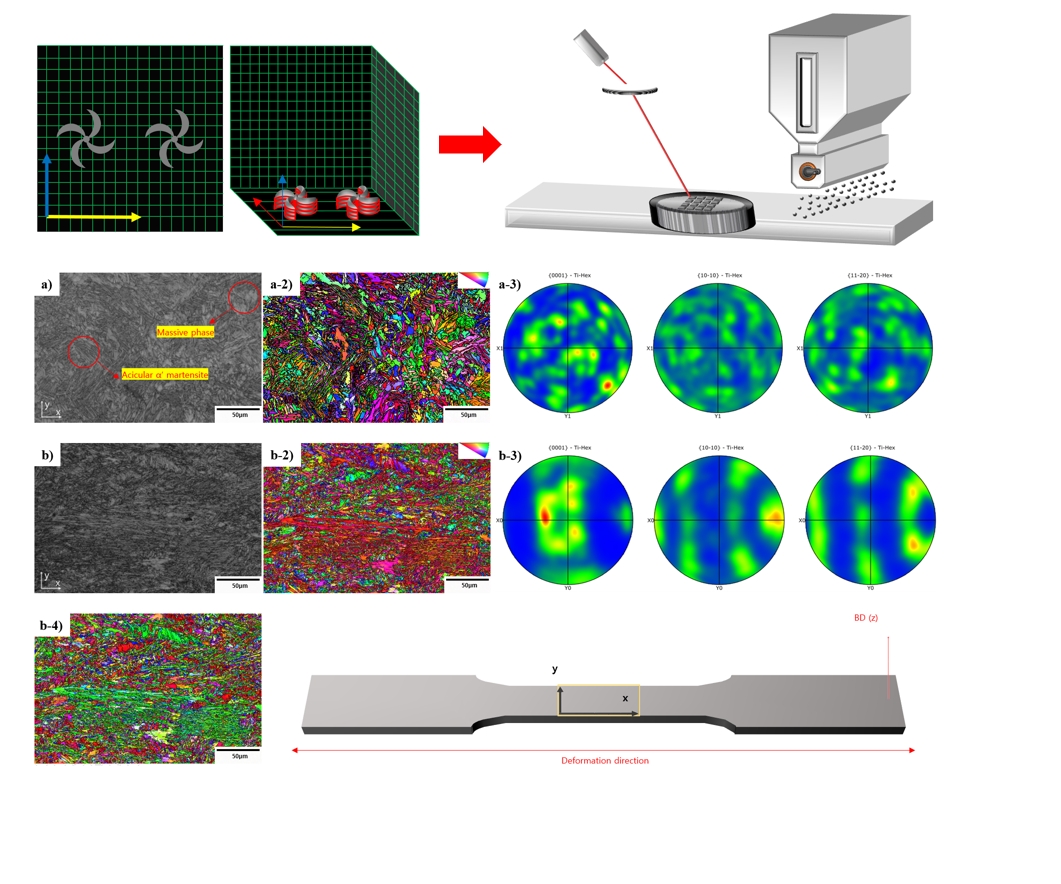
- In laser powder bed fusion (L-PBF), a metal powder–based additive manufacturing process, pure titanium powders rely on expensive gas-atomized spherical powders, which poses a significant limitation of material cost. In contrast, non-spherical titanium powders are more cost-effective but their application in L-PBF is restricted their use due to poor flow property and high oxygen content. In this study, a powder mixing strategy with spherical titanium and hydrophobic SiO2 nanoparticle is proposed to improve the flowability and process stability of non-spherical Ti powders. After evaluating flow properties at various mixing ratios, a spherical-to-non-spherical Ti ratio of 4:6 was selected, with SiO2 nanoparticles added during mixing. The uniform distribution of oxide nanoparticles on the powder surfaces was confirmed by SEM and EDS. A maximum relative density of 99.7% was shown by specimens made with L-PBF under various processing parameters. The specimens obtained a tensile strength of 762.6 ± 3.8 MPa and an elongation of 22.1 ± 0.7% at a volumetric energy density of 71.4 J/mm³. This study demonstrates the application of low-cost non-spherical Ti powders in L-PBF is feasible and presents an effective way to simultaneously increase process stability and economic efficiency in titanium additive manufacturing.
- [Korean]
- Laser-Induced Porous Graphene Electrodes for Flexible Heater
- Min Gi An, Jaehak Lee, Jung Hwan Park
- J Powder Mater. 2025;32(6):492-500. Published online December 31, 2025
- DOI: https://doi.org/10.4150/jpm.2025.00332
- Funded: National Research Foundation of Korea, National Research Foundation of Korea, National Research Foundation of Korea, Ministry of Trade, Industry and Energy
- 1,444 View
- 29 Download
-
Abstract
PDF
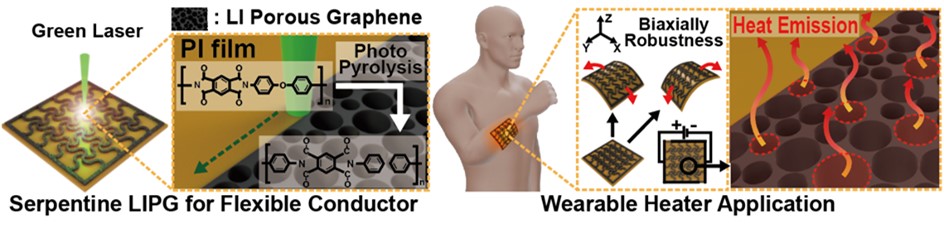
- A flexible heater with high thermal efficiency and mechanical durability was developed by fabricating laser-induced porous graphene (LIPG) electrodes on polyimide films using a 532 nm green laser. Laser power, scan speed, and line distance were precisely optimized based on photothermal simulations to generate uniform porous graphene structures with large surface area and excellent heat dissipation characteristics. Raman, X-ray diffraction, and X-ray photoelectron spectroscopy analyses confirmed that the optimized LIPG exhibited highly graphitized features with low oxygen defects. Scanning electron microscope analysis revealed that porous morphologies formed only within a specific laser scan speed range, whereas excessive or insufficient irradiation resulted in collapsed or absent porosity. The serpentine-patterned LIPG heater maintained stable electrical resistance under repeated multidirectional bending, demonstrating excellent flexibility and mechanical stability. The heater also achieved rapid and uniform heating up to 80 °C within seconds, maintaining consistent temperature distribution even on curved surfaces.
- [Korean]
- Ultrafast Synthesis of Molybdenum Disulfide via Flashlamp Annealing
- Chan Hyeon Yang, Jaehak Lee, Jung Hwan Park
- J Powder Mater. 2025;32(6):509-516. Published online December 31, 2025
- DOI: https://doi.org/10.4150/jpm.2025.00339
- Funded: National Research Foundation of Korea, National Research Foundation of Korea, Ministry of Trade & Energy
- 1,330 View
- 15 Download
-
Abstract
PDF
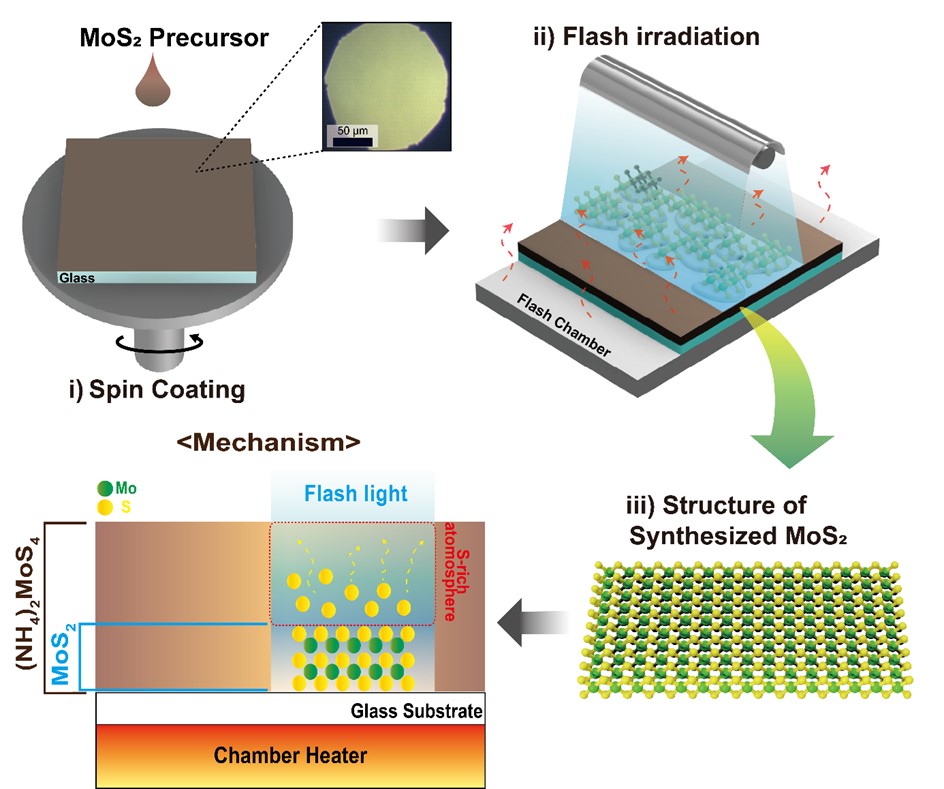
- This study presents the synthesis of molybdenum disulfide (MoS₂) using flashlamp annealing and provides a comprehensive investigation of its structural and physical properties. The proposed flash-induced approach enables rapid production of high-quality MoS₂, offering superior process efficiency compared to conventional synthesis techniques. The structural, electronic, and thermal characteristics of the synthesized MoS₂ were systematically examined using multiple analytical methods, with particular attention to how synthesis conditions influence layer structure, crystallinity, and defect density. The results indicate that MoS₂ produced through this method exhibits material properties suitable for high-performance electronic devices and energy storage applications. Moreover, this work demonstrates the potential of flash-induced synthesis for scalable and practical fabrication of MoS₂-based nanomaterials, thereby contributing to the broader advancement of transition metal dichalcogenide technologies across diverse nanotechnology applications.
- [Korean]
- Microstructure and Mechanical Properties of AA3003 Tube for Heat Exchanger Processed by Floating Plug Drawing
- Hyeon-Jun Heo, Sung Jun Oh, Seong-Hee Lee
- J Powder Mater. 2025;32(6):459-465. Published online December 31, 2025
- DOI: https://doi.org/10.4150/jpm.2025.00346
- Funded: Regional Innovation System & Education, Ministry of Education
- 1,202 View
- 19 Download
-
Abstract
PDF
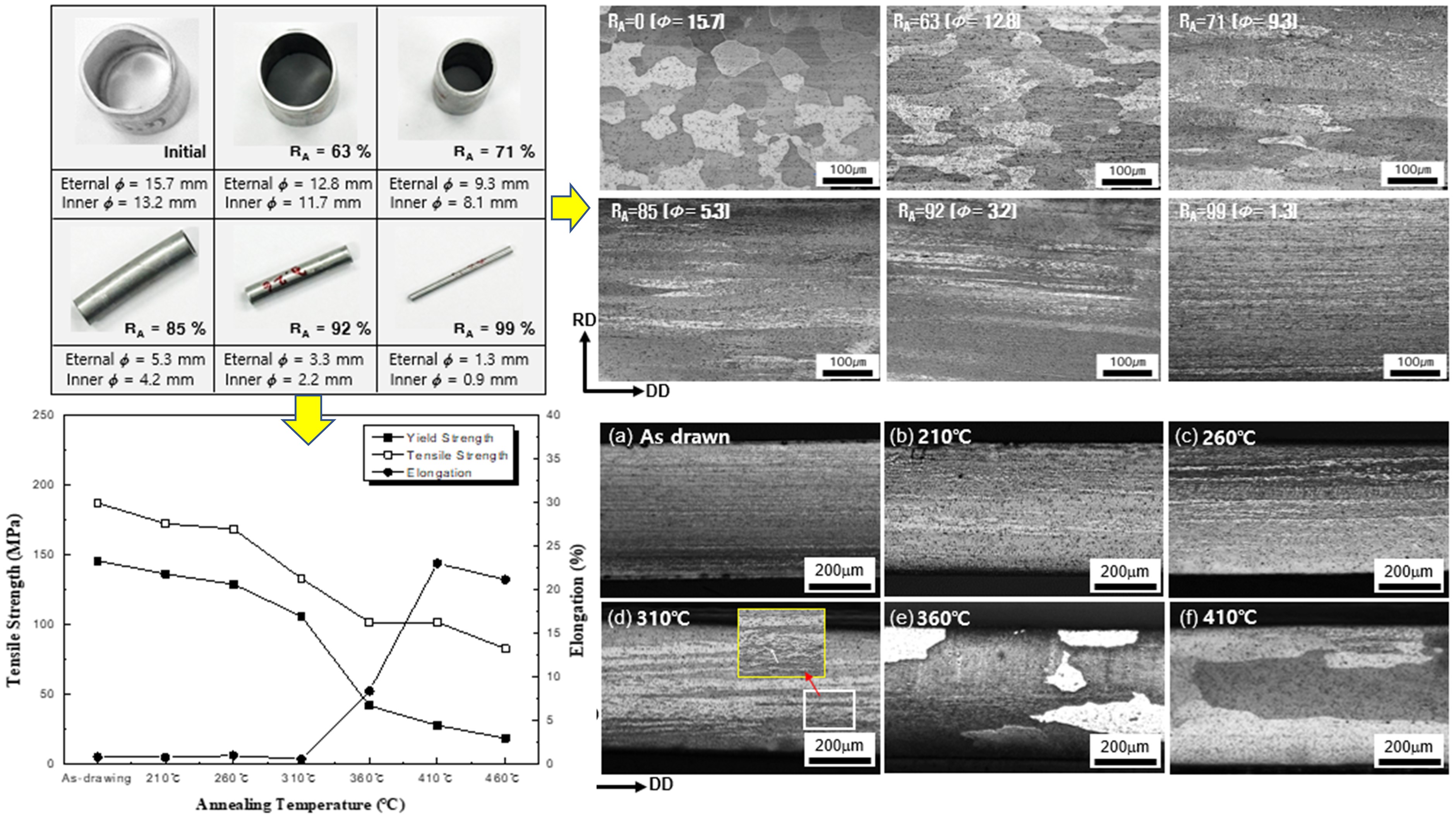
- An AA3003 tube was severely deformed by cold floating plug drawing, and then annealed at temperatures from 210 to 460℃. The as drawn Al tube exhibited a typical deformation structure in which the grains were greatly elongated along the drawing direction. The hardness increased with increasing the reduction of cross-sectional area (RA), became 68Hv after RA= 99%. Up to 310℃, the Al tube still mainly exhibited a deformed structure. While complete recrystallization occurred at temperatures above 360℃. The hardness decreased with increasing the annealing temperature, and it became 33Hv after annealing at 410℃. Both the tensile and yield strengths also decreased with increasing the annealing temperature, but the decrease was larger in yield strength than in tensile strength. The elongation increased with increasing the annealing temperature. The changes in the strength and the elongation with the annealing temperature were the largest at 360℃, in which the complete recrystallization occurred.
- [Korean]
- Preparation of Porous W-Cu by Freeze Casting of Tert-butyl Alcohol Slurry Mixed with WO3-CuO Powder
- Youngmin Kim, Ji Young Kim, Minju Son, Wonyong Kwon, Eui Seon Lee, Sung-Tag Oh
- J Powder Mater. 2025;32(6):466-471. Published online December 31, 2025
- DOI: https://doi.org/10.4150/jpm.2025.00437
- Funded: National Research Foundation of Korea
- 1,206 View
- 18 Download
-
Abstract
PDF
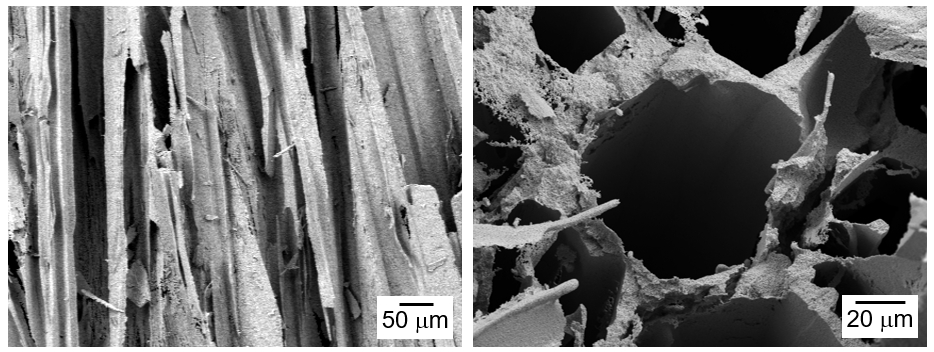
- The influence of process conditions on the microstructure of porous W-Cu, fabricated by freeze casting using tert-butyl alcohol as the freezing agent, was investigated. The slurries containing 10 vol% of WO3-CuO powder were prepared by milling with a small amount of citric acid and polyethylene glycol as dispersants. The slurries with dispersion stability were frozen in a mold with the lower part cooled to -25°C, followed by sublimation in a vacuum to remove the freezing agent. The sintered W-1 vol% Cu in a hydrogen atmosphere exhibited aligned pores with the size of 50 μm, which were generated by sublimation of directionally solidified tert-butyl alcohol crystals. In the cross-section of the specimen, hexagonal pores corresponding to the crystal structure of tert-butyl alcohol was observed. Microstructure analysis of the struts revealed that Cu was distributed non-uniformly due to the mutual insolubility and low wettability of the W-Cu system.
- [English]
- Finite Element and Discrete Element Analyses of Anisotropic Powder Compaction for Axial Flux Motor Cores
- Jeong Ah Lee, Do Won Lee, , Hyojeong Ha, Ki Hyuk Kwon, Eon Byeong Park, Taeyoung Kim, Hyoung Seop Kim
- J Powder Mater. 2025;32(6):451-458. Published online December 31, 2025
- DOI: https://doi.org/10.4150/jpm.2025.00409
- Funded: National Research Foundation of Korea, Ministry of Education, Ministry of Education
- 1,370 View
- 31 Download
- 1 Citations
-
Abstract
PDF
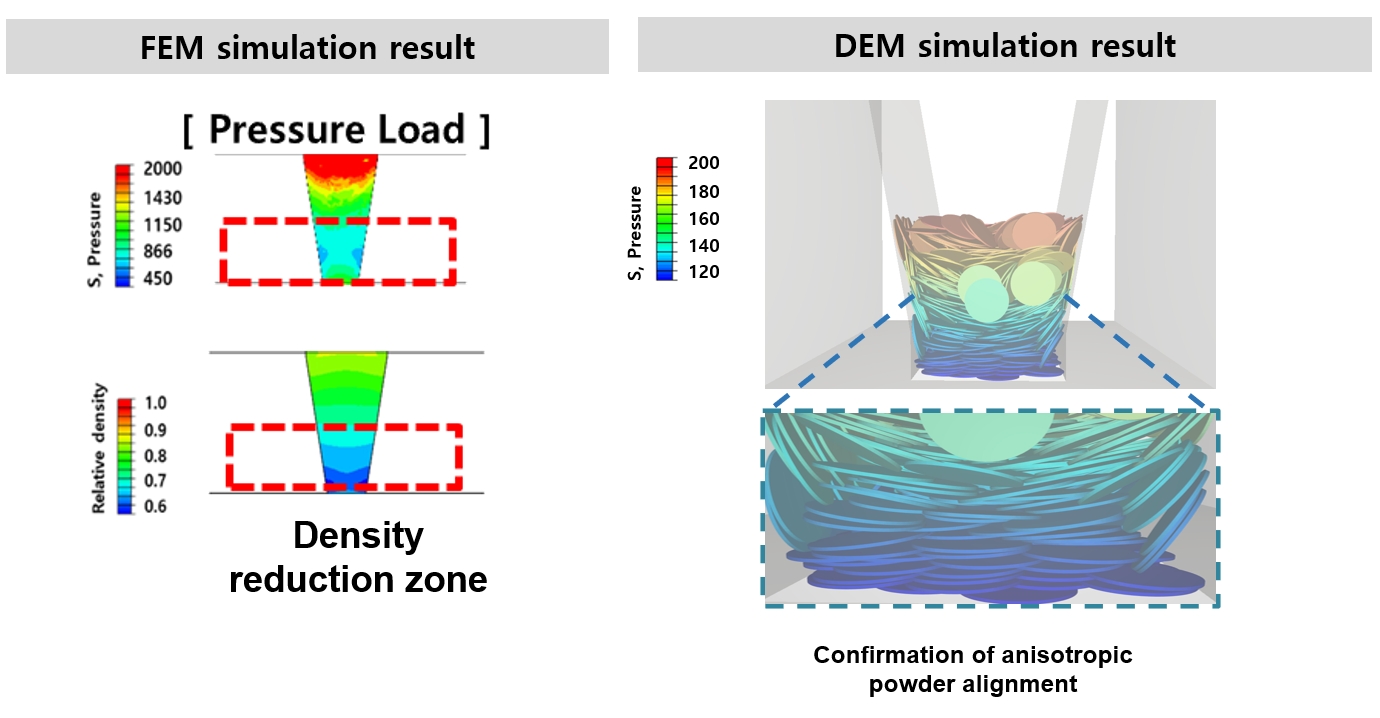
- This study investigates the compaction behavior of anisotropic, plate-like powders used in axial flux motor cores through a combined FEM–DEM approach. A porous continuum FEM model captures stress and density evolution during die pressing, revealing strong gradients along the compaction direction, with higher stress and densification near the upper punch and reduced compaction in the lower region. Guided by these results, DEM simulations examine particle packing, orientation, and contact pressure in representative zones. The DEM analysis shows that higher local pressure promotes denser packing and in-plane particle alignment near the upper punch, while the lower region exhibits more random orientations and lower contact forces. As a result, the multi-scale FEM–DEM framework clarifies how anisotropic particle behavior governs local densification and offers practical guidance for die design and process optimization to achieve more uniform density and controlled magnetic-property-relevant particle alignment in axial flux motor cores.
-
Citations
Citations to this article as recorded by
- Microstructure, Magnetic Properties, and Performance of Fe-6.5Si Soft Magnetic Core Produced by Laser Powder Bed Fusion
Ji Sang Yoon, Yeon Woo Kim, Gyu Hyun Park, Youk Jin Kim, Sang Heon Lee, Jeong Seok Kim, Sung Ho Yu, Jeong Min Park
Journal of Powder Materials.2026; 33(3): 177. CrossRef
- Microstructure, Magnetic Properties, and Performance of Fe-6.5Si Soft Magnetic Core Produced by Laser Powder Bed Fusion
- [Korean]
- Enhancement of the Electrochemical Performance of SiOx Anodes by Al2O3 Coating via Powder Atomic Layer Deposition
- Donggeon Shin, Yoonsoo Han
- J Powder Mater. 2025;32(6):501-508. Published online December 31, 2025
- DOI: https://doi.org/10.4150/jpm.2025.00416
- Funded: Ministry of Trade, Industry & Energy, Korea Evaluation Institute of Industrial Technology
- 2,028 View
- 23 Download
- 1 Citations
-
Abstract
PDF
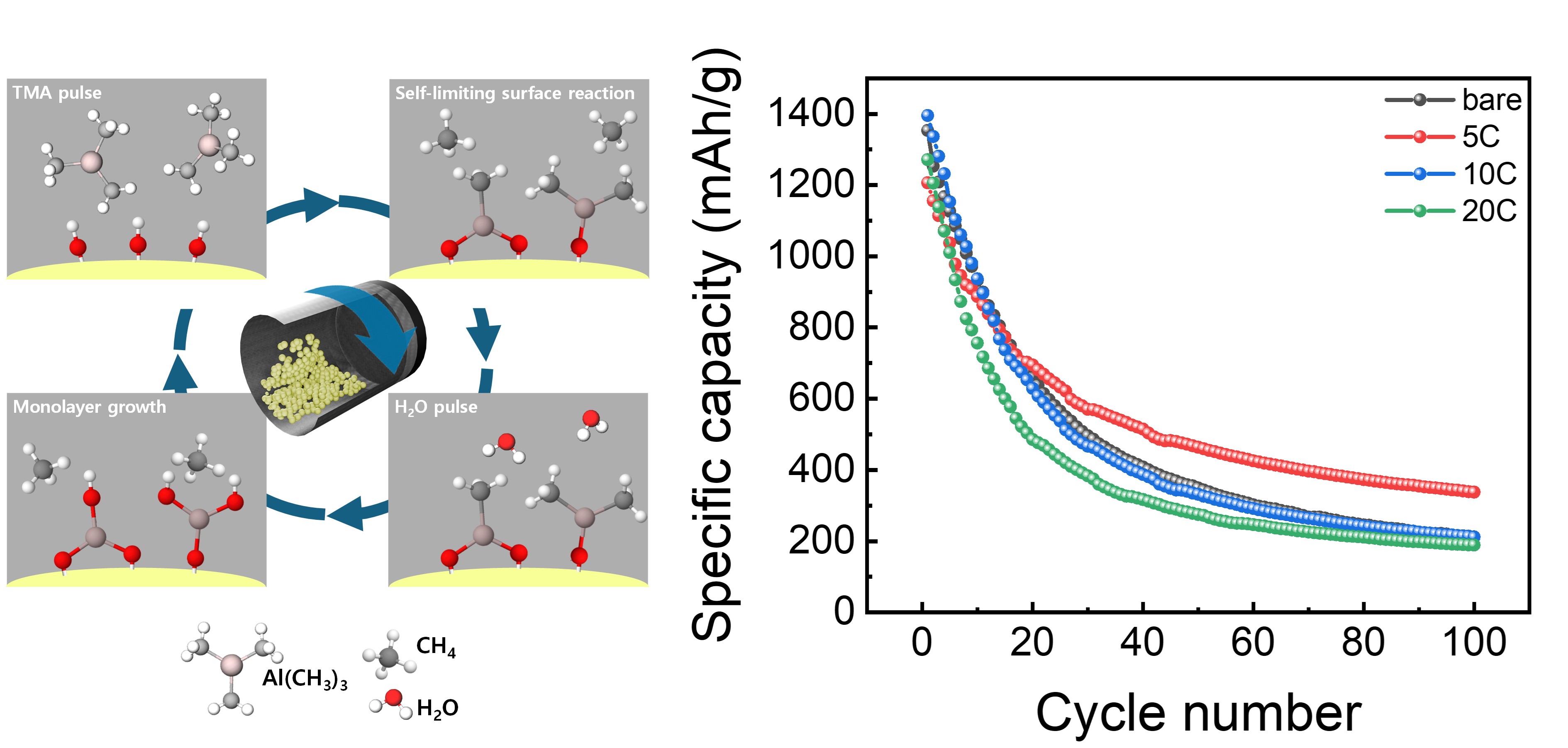
- Silicon based anode materials offer high theoretical capacity but suffer from severe volume expansion and unstable interfacial properties during repeated lithiation and delithiation, resulting in rapid performance degradation. In this study, a thin aluminum oxide coating layer was deposited on Si/SiOx Carbon anode materials using a powder atomic layer deposition (PALD) process to address these limitations. EDS mapping and XRD analyses confirmed the uniform formation of an amorphous aluminum oxide coating with increasing thickness as the deposition cycles increased. Electrochemical evaluation showed that the electrode coated with 5 PALD cycles exhibited approximately 78% higher capacity retention after 100 cycles at 1 A g-1 and a higher initial Coulombic efficiency compared to the bare electrode. The coated electrode also delivered approximately 22% higher capacity at a high current density of 5 A g-1, indicating enhanced rate capability. Cyclic voltammetry analysis revealed increased surface controlled reaction contributions and improved reaction kinetics. These results demonstrate that PALD derived aluminum oxide coatings effectively stabilize the electrode electrolyte interface and enhance the electrochemical performance of silicon based anodes, highlighting their potential for next generation high capacity lithium ion batteries. generation high capacity lithium ion battery anode materials.
-
Citations
Citations to this article as recorded by- AlN-PVDF composite protective coating for stabilizing lithium metal anodes in lithium metal batteries
Seul Ki Choi, Yun Seung Nah, Minho Yang
Carbon Letters.2026;[Epub] CrossRef
- AlN-PVDF composite protective coating for stabilizing lithium metal anodes in lithium metal batteries
- [Korean]
- Comparison of the Properties of Rare-Earth Zirconate Thermal Barrier Coatings for Hydrogen-Fueled Gas Turbines
- Gun-Woong Lee, Min-Soo Nam, Min-Ji Kim, HyunSuk Jung, Seongwon Kim
- J Powder Mater. 2025;32(6):472-480. Published online December 31, 2025
- DOI: https://doi.org/10.4150/jpm.2025.00423
- Funded: Ministry of Trade, Industry and Energy
- 1,386 View
- 25 Download
-
Abstract
PDF
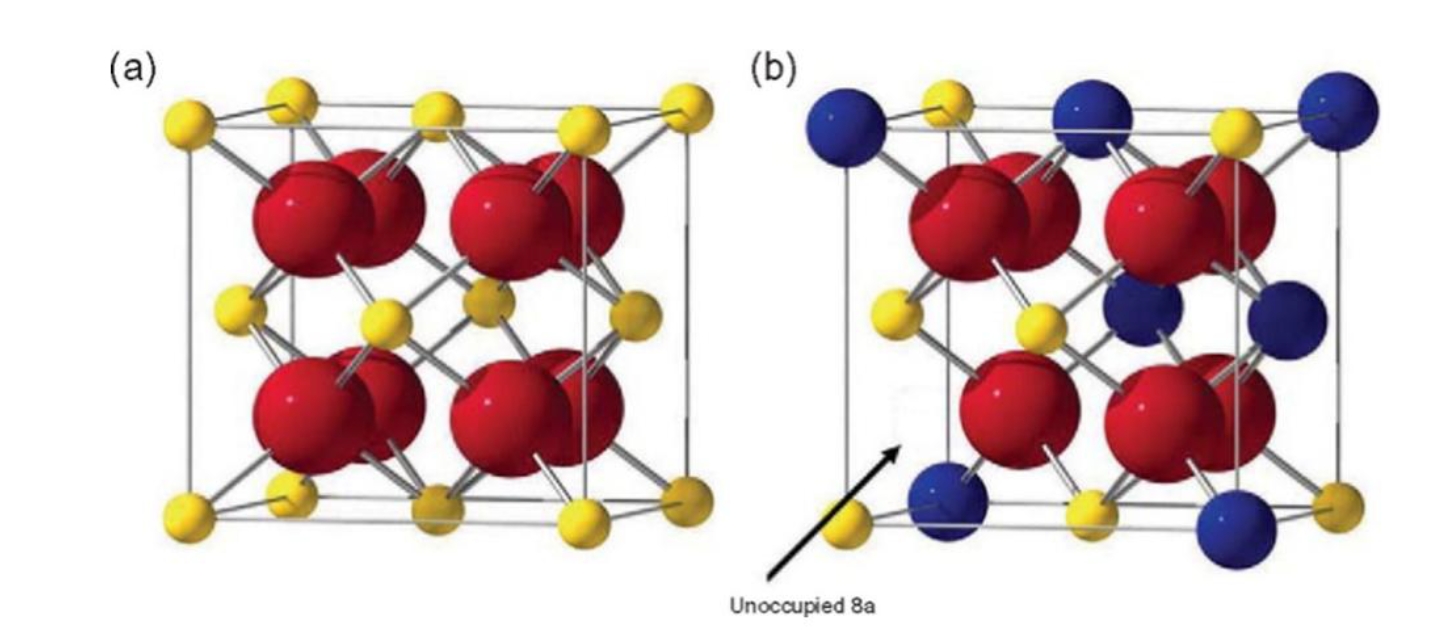
- Thermal barrier coatings (TBCs) for hydrogen-fueled gas turbines withstand higher combustion temperatures and increased steam concentrations compared to conventional natural-gas systems. These harsh operating conditions significantly accelerate the thermal degradation of widely used YSZ coatings, emphasizing the need for alternative top-coat materials with improved phase stability and reduced thermal conductivity. In this study, rare-earth zirconate ceramics, Gd2Zr2O7 (GdZO), Tm2Zr2O7 (TmZO), and a mixed composition (Gd0.5Tm0.5)2Zr2O7 (Gd/TmZO), are synthesized and investigated as potential next-generation TBC candidates. Each material was comparatively examined with a focus on crystal structure, thermophysical properties, and thermal conductivity. Furthermore, high-temperature steam exposure experiments were performed to simulate hydrogen combustion environments. Microstructural analyses, high-temperature degradation behavior, and phase stability evaluations were carried out to obtain fundamental experimental data. This study provides essential baseline information for the design and development of high-performance TBC materials suitable for the hydrogen-fueled gas turbine systems.
- [English]
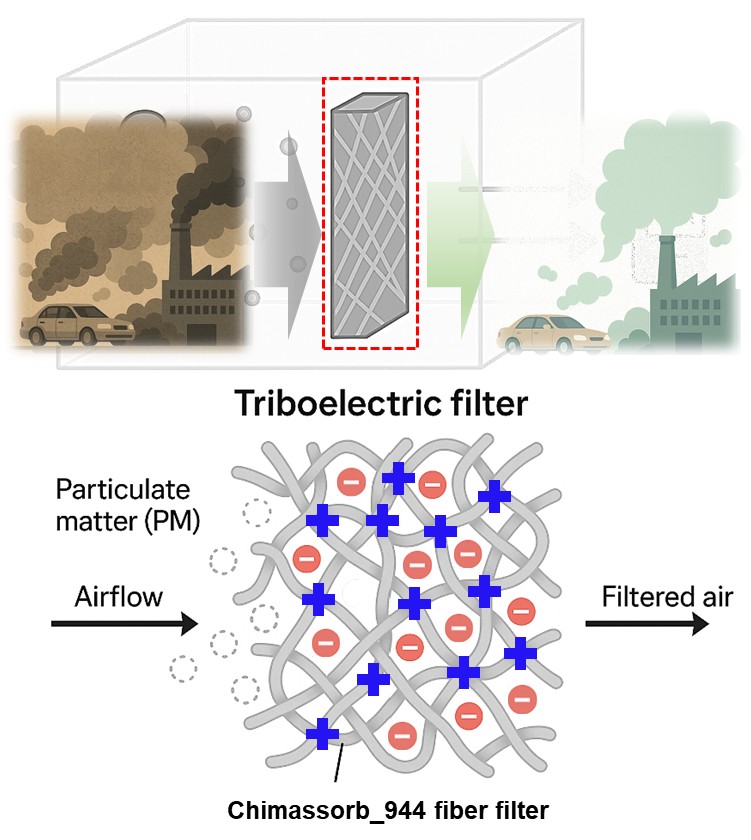
- A Self-Powered Cationic Microfiber-Based Triboelectric Air Filter for High-Speed Particulate Matter Removal and Smart Monitoring
- Tae-hyung Kim, Jin-Kyeom Kim
- J Powder Mater. 2025;32(6):481-491. Published online December 31, 2025
- DOI: https://doi.org/10.4150/jpm.2025.00465
- Funded: National Research Foundation of Korea
- 1,756 View
- 13 Download
-
Abstract
PDF
- Particulate matter (PM) pollution demands air filters that combine high efficiency with low pressure drop. Here, we report a self-powered electrostatic filter based on an electrospun cationic microfiber web of Chimassorb 944 (C-fiber). The C-fiber functions as a triboelectric nanogenerator (TENG), generating a surface charge density of 85.8 85.8 μC/m2 when paired with polytetrafluoroethylene (PTFE), which creates a strong electrostatic field for capturing sub-micron particles, including the most penetrating particle size (MPPS). As a result, the triboelectrically charged C-fiber filter maintains >80% filtration efficiency at a high wind speed of 60 cm/s, far exceeding uncharged mechanical filters (<20%) while retaining low air resistance. Kelvin probe force microscopy (KPFM) visualizes the surface-potential change after particle capture, and the gradual decay of TENG output provides a built-in indicator of dust loading. This strategy offers a promising platform for next-generation smart air purification systems.
Critical Review
- [Korean]
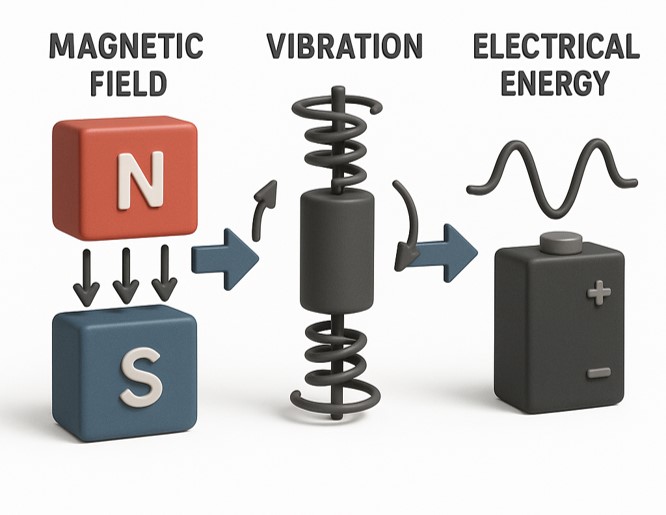
- Research Trends in Magneto-Mechano-Electric (MME) Energy Harvesting Devices
- So Ie Jeong, Geon-Tae Hwang
- J Powder Mater. 2025;32(6):529-541. Published online December 31, 2025
- DOI: https://doi.org/10.4150/jpm.2025.00493
- Funded: National Research Foundation of Korea
- 1,633 View
- 21 Download
- 1 Citations
-
Abstract
PDF
- Magneto-mechano-electric (MME) energy harvesters have emerged as a promising solution for maintenance-free power generation in rapidly expanding Internet of Things (IoT) environments, where replacing or wiring batteries is impractical. MME devices convert weak alternating magnetic fields, ubiquitous around power infrastructures, into useful electrical energy through sequential magnetic, mechanical, and electrical transduction processes. This review summarizes recent advances across triboelectric-, piezoelectric-, and hybrid MME architectures. Triboelectric MME generators employing nano-engineered polymer surfaces, flash-induced surface modification, and nanoscale pattern replication demonstrate low-cost fabrication routes while achieving significantly enhanced voltage and current outputs. Piezoelectric MME systems based on Mn-doped PMN-PZT single crystals highlight strategies for improving mechanical quality factors and resonance-driven power generation. Further, hybrid MME designs that integrate piezoelectric and electromagnetic induction mechanisms enable high-power outputs exceeding tens of milliwatts, sufficient to operate multifunctional IoT platforms and charge practical energy-storage devices. Collectively, these studies illustrate a transition of MME harvesting technologies from laboratory concepts to application-ready self-powered systems. Future opportunities lie in broadband resonance design, modular harvester integration, advanced power management, and multi-source hybridization for robust long-term operation in real environments.
-
Citations
Citations to this article as recorded by- Microstructure, Magnetic Properties, and Performance of Fe-6.5Si Soft Magnetic Core Produced by Laser Powder Bed Fusion
Ji Sang Yoon, Yeon Woo Kim, Gyu Hyun Park, Youk Jin Kim, Sang Heon Lee, Jeong Seok Kim, Sung Ho Yu, Jeong Min Park
Journal of Powder Materials.2026; 33(3): 177. CrossRef
- Microstructure, Magnetic Properties, and Performance of Fe-6.5Si Soft Magnetic Core Produced by Laser Powder Bed Fusion
Research Articles
- [Korean]
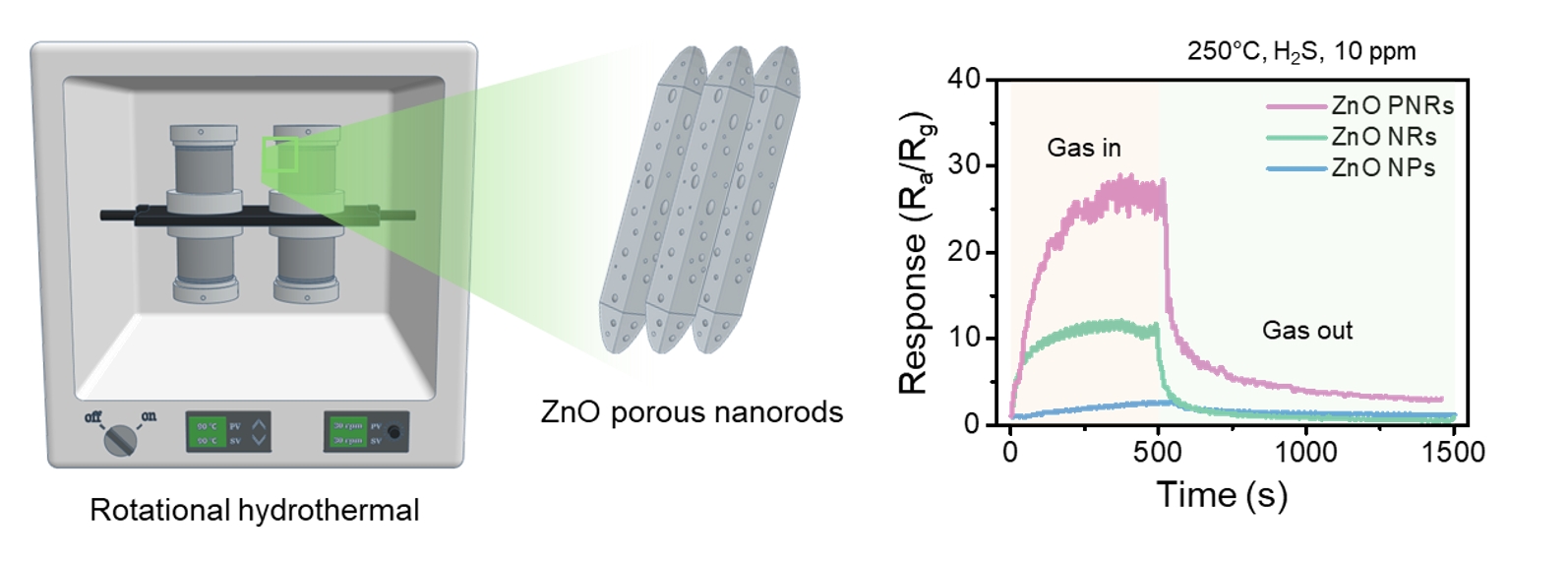
- Enhanced H2S Gas Sensing Using ZnO Porous Nanorod Synthesized via a Rotational Hydrothermal Method
- Jimyeong Park, Changyu Kim, Minseo Kim, Jiyeon Shin, Jae-Hyoung Lee, Myung Sik Choi
- J Powder Mater. 2025;32(5):406-415. Published online October 31, 2025
- DOI: https://doi.org/10.4150/jpm.2025.00262
- Funded: National Research Foundation of Korea, Ministry of Science and Technology
- 908 View
- 20 Download
-
Abstract
PDF
- In this study, ZnO porous nanorods were synthesised using a rotational hydrothermal process, and their performance as hydrogen sulphide (H2S) gas sensors was analysed. Compared to commercial ZnO nanoparticles and conventionally hydrothermally synthesised ZnO nanorods, the ZnO porous nanorods exhibited a more uniform structure and improved crystal growth in the (002) plane, with surfaces rich in porosity and oxygen vacancies. These structural and chemical characteristics significantly improved the sensitivity toward H2S, showing high detection performance at 250°C across various concentrations of H2S gas. Additionally, the sensor demonstrated excellent selectivity against other gases such as C2H5OH, C6H6, C7H8, and NH3. This study indicated that the rotational hydrothermal process is an effective method for developing high-performance ZnO-based gas sensors and suggests its applicability to other metal oxide materials.
- [English]
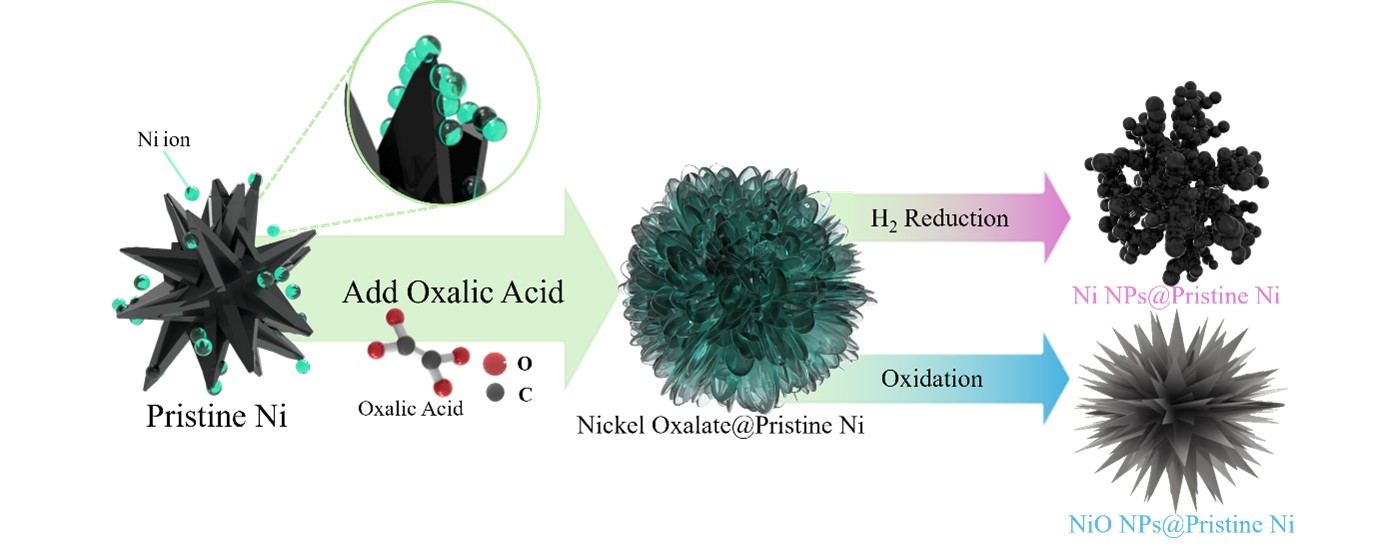
- Morphological Control and Surface Modification Characteristics of Nickel Oxalate Synthesized via Oxalic Acid Precipitation
- Eunbi Park, Jongwon Bae, Sera Kang, Minsu Kang, Suseong Lee, Kun-Jae Lee
- J Powder Mater. 2025;32(5):375-382. Published online October 31, 2025
- DOI: https://doi.org/10.4150/jpm.2025.00248
- Funded: Nickel Pig Iron, Ministry of Trade Industry & Energy, National Research Foundation of Korea
- 1,993 View
- 32 Download
-
Abstract
PDF
- Nickel is widely used in industrial fields such as electrocatalysis and energy storage devices. Although micron-sized nickel particles exhibit excellent mechanical durability, their low specific surface area limits their reactivity. We modified the surface of micron-sized nickel particles with nanostructured nickel oxalate and investigated the effects of the solvent dielectric constant, surfactant, and thermal treatment atmosphere on the resulting particle morphology and phase transformation. Rietveld refinement analysis confirmed that changes in the solvent dielectric constant led to increased or diminished crystallinity of specific planes in nickel oxalate, resulting in diffraction patterns distinct from standard JCPDS data. These structural changes were also found to influence the morphology of the synthesized nickel oxalate. The results demonstrate that nickel oxalate serves as an effective precursor for producing Ni and NiO phases, and shape control of the final product can increase the surface reactivity of micron-sized nickel materials.
- [English]
- Enhancing the Dispersion Stability of Exfoliated MoS2 Nanoflakes for Na⁺ Intercalation
- Jae Min Sung, Dong-Won Kyung, Ammad Ali, Kee-Ryung Park, Mi Hye Lee, Da-Woon Jeong, Bum Sung Kim, Haejin Hwang, Leeseung Kang, Yoseb Song
- J Powder Mater. 2025;32(5):390-398. Published online October 31, 2025
- DOI: https://doi.org/10.4150/jpm.2025.00255
- Funded: Ministry of Economy and Finance
- 1,048 View
- 11 Download
-
Abstract
PDF
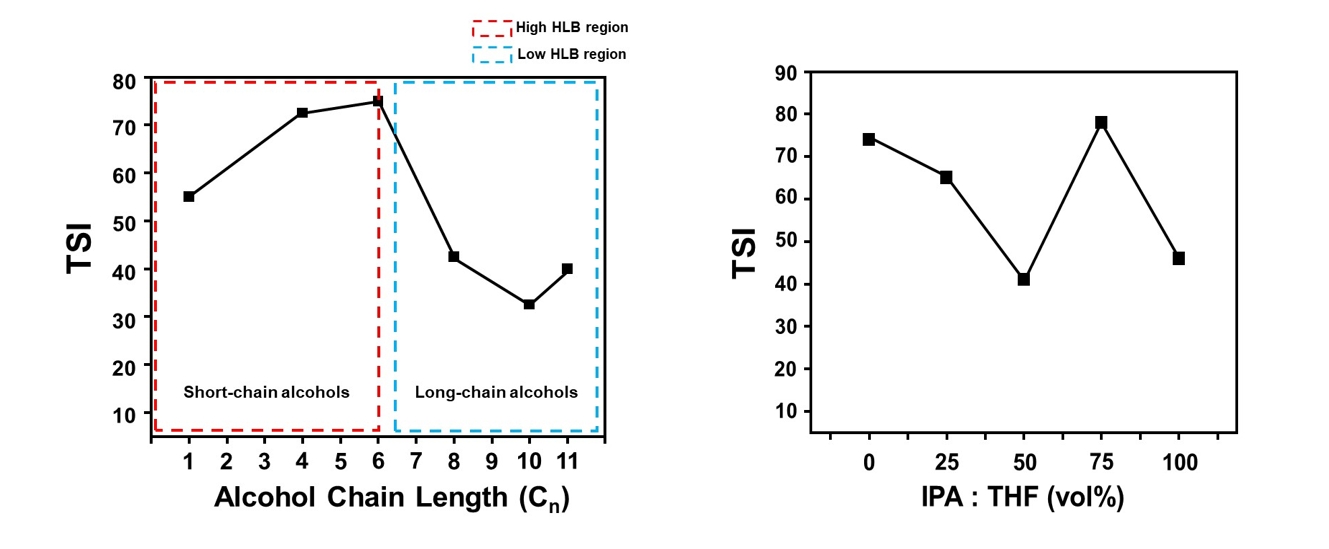
- This study investigated the dispersion stability of exfoliated MoS₂ nanoflakes in various organic solvents and binary mixtures using a Turbiscan optical analyzer. Sedimentation behavior was quantitatively evaluated via transmittance variation (ΔT), backscattering variation (ΔBS), and the Turbiscan stability index (TSI). Alcohol-based solvents were categorized by hydrophilic-lipophilic balance values. Long-chain alcohols, such as 1-undecanol, showed increased stability due to high viscosity and strong hydrophobic affinity with MoS2 basal planes, while short-chain alcohols exhibited poor stabilization. Binary mixtures of isopropanol (IPA) and tetrahydrofuran (THF) were also assessed, with the 5:5 volume ratio showing the best stability profile, including the lowest TSI and minimal ΔT and ΔBS values. This improvement is attributed to synergistic interactions, as IPA stabilizes hydrophilic edge sites, while THF engages with hydrophobic basal surfaces. These findings highlight the importance of balancing physicochemical properties when selecting solvents to improve MoS2 dispersion for structural modification and electrocatalytic applications.
- [Korean]
- Synthesis and Morphology Control of Needle Type 513 MHSH and Mg(OH)2 from Dolomite
- Jiyeon Kim, HyunSeung Shim, Seong-Ju Hwang, YooJin Kim
- J Powder Mater. 2025;32(5):399-405. Published online October 31, 2025
- DOI: https://doi.org/10.4150/jpm.2025.00227
- Funded: Ministry of Trade, Industry and Energy
- 883 View
- 12 Download
-
Abstract
PDF
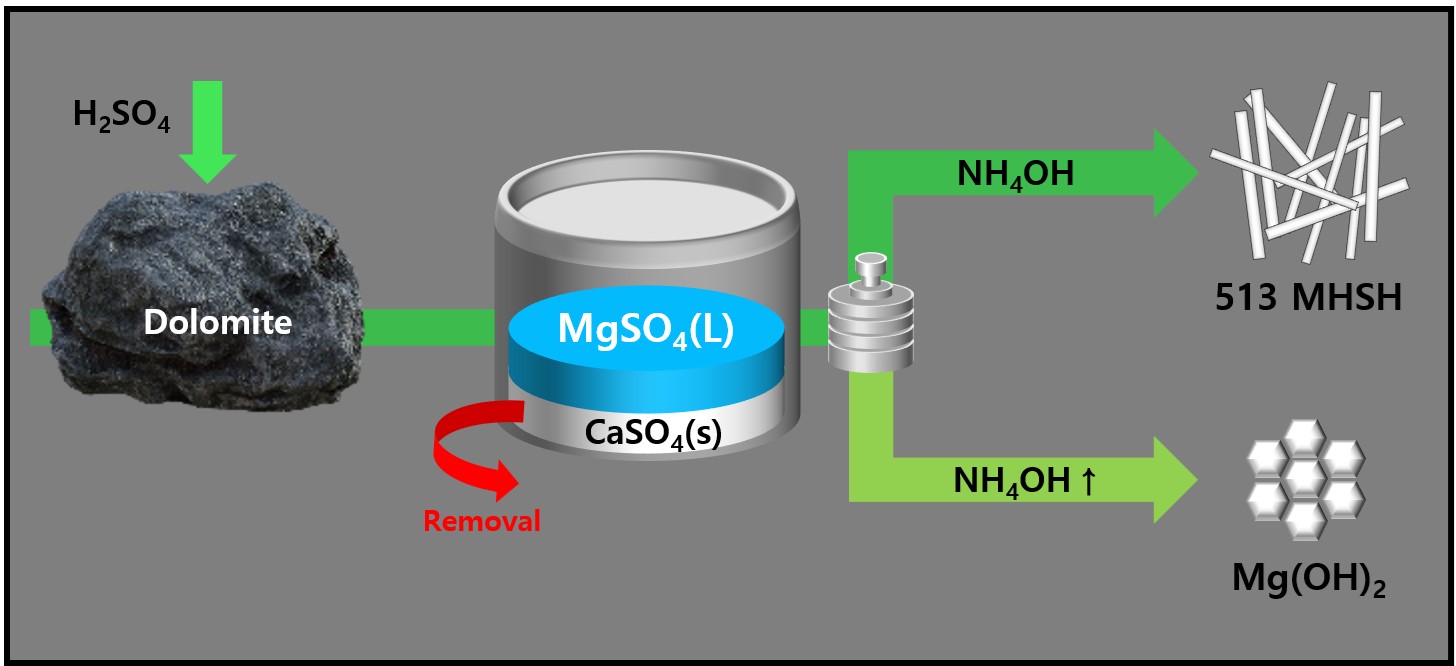
- 513 magnesium hydroxide sulfate hydrate (MHSH) and Mg(OH)₂ were synthesized by controlling the pH and concentration using a domestic resource, dolomite (CaMg(CO3)2), as the raw material. The MgSO₄ was extracted by treating dolomite with sulfuric acid under various conditions. Hexagonal plate-shaped Mg(OH)₂ and needle-like 513 MHSH were synthesized under the hydrothermal condition. The morphology of the synthesized materials was controlled by adjusting the pH (SO42-/OH- ratio) and hydrothermal reaction time. As the pH of the solution increased, the formation of plate-like structures became dominant, whereas lower pH values (higher SO42- concentration) led to needle-like forms. The results of the 513 MHSH, which was synthesized using reagents and sea bittern, are consistent with the synthesis conditions, and we observed changes in the length and aspect ratio of the needle-shaped structure in response to adjusting the hydrothermal reaction time.
- [English]
- Preparation of Flake-shape Cobalt Powders by High-Energy Ball Milling for rSOC Current Collectors
- Poong-Yeon Kim, Min-Jeong Lee, Hyeon Ju Kim, Su-Jin Yun, Si Young Chang, Jung-Yeul Yun
- J Powder Mater. 2025;32(5):383-389. Published online October 31, 2025
- DOI: https://doi.org/10.4150/jpm.2025.00241
- Funded: Ministry of Trade, Industry and Energy
- 854 View
- 34 Download
-
Abstract
PDF
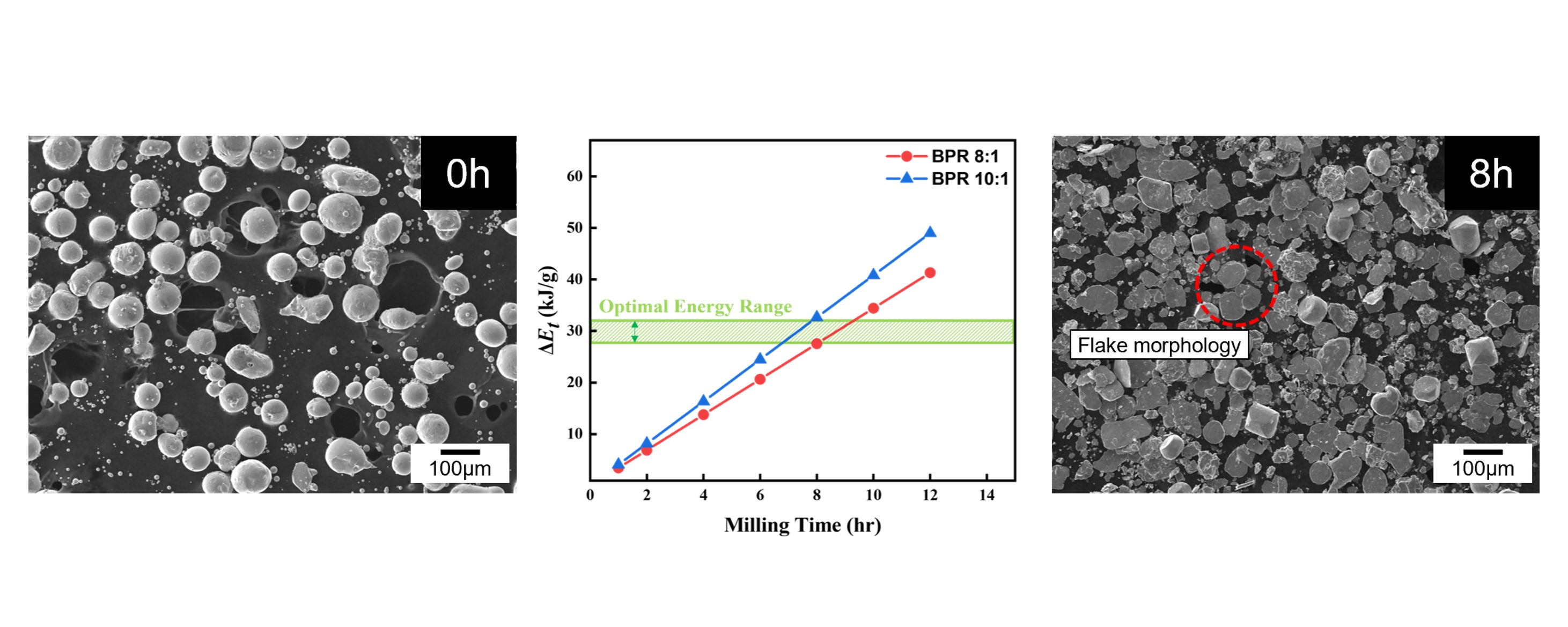
- Reversible solid oxide cells (rSOCs), which enable two-way conversion between electricity and hydrogen, have gained attention with the rise of hydrogen energy. However, foam-type current collectors in rSOC stacks exhibit poor structural controllability and limited electrode contact area. To address these limitations, this study aimed to convert spherical cobalt powders into flake-type morphology via high-energy ball milling, as a preliminary step toward fabricating flake-based current collectors. Milling parameters—specifically, the ball-to-powder ratio (BPR), milling time, and process control agent (PCA) content—were varied. At an 8:1 BPR, over 90% of the powder became flake-shaped after 8 hours, while extended milling caused cold welding. In contrast, a 10:1 BPR resulted in dominant fragmentation. The Burgio–Rojac model quantified energy input and defined the optimal range for flake formation. Increasing the PCA to 4 wt% delayed flake formation to 16 hours and induced cold welding, as shown by bimodal particle size distributions. These results support the development of Co-based current collectors for use in rSOCs.
- [Korean]
- Powderization Strategy for Porcine Organ By-Products: A Comparative Study on the Effects of Drying Method and Polymer Additives
- Seo Wan Yun, Eun Ju Jeong, Eui-Cheol Shin, Hyun-Wook Kim, Kyeong Soo Kim
- J Powder Mater. 2025;32(5):416-427. Published online October 31, 2025
- DOI: https://doi.org/10.4150/jpm.2025.00269
- Funded: Agriculture Science and Technology Development
- 1,023 View
- 16 Download
-
Abstract
PDF
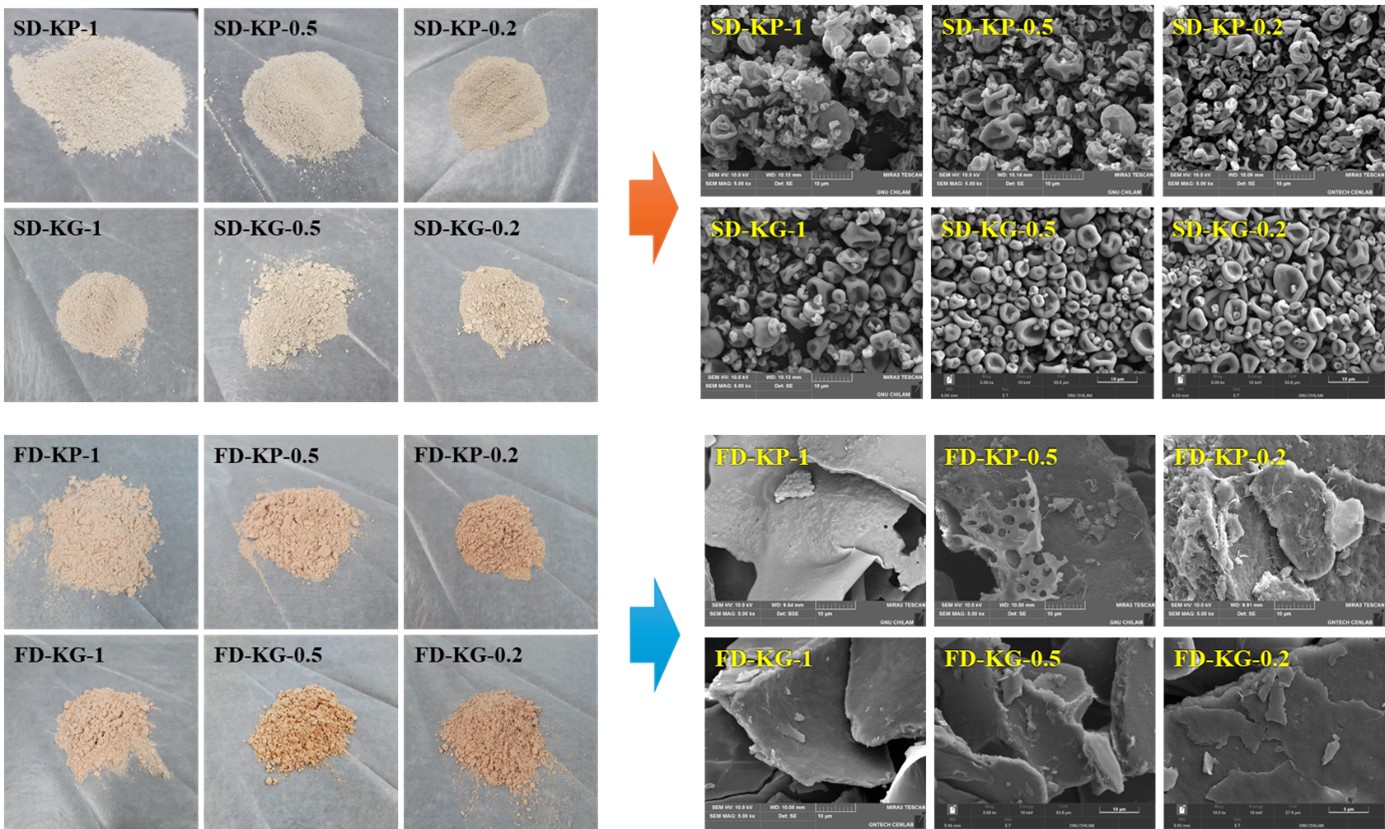
- This study aimed to develop a powderization strategy using porcine by-products (kidney, liver, and heart) by evaluating the effects of raw material type, pretreatment, and additives (hydroxypropyl methyl cellulose P645 and gelatin) on powder characteristics. Powders from kidney tissue were analyzed for yield, particle structure, compressibility, and size distribution, based on the drying method and additive composition. The spray-dried sample with gelatin at 1:0.5 (w/w) showed 20.4% compressibility and the smallest, most uniform particles, indicating excellent flowability. Due to its superior structural stability, gelatin was selected over HPMC P645. Liver and heart samples that underwent enzymatic hydrolysis and the Maillard reaction were spray-dried with gelatin and assessed for yield and microstructure. The Alcalase-treated liver sample showed the highest yield. Surface analysis confirmed that gelatin formed a protective film enhancing particle stability. These findings suggest gelatin-based spray drying is effective for producing high-quality powders from protein-rich by-products.
- [Korean]
- Optimization of Mechanical Properties in WC–Mo₂C–Co Cemented Carbides via Dual Hard-Phase Based Heterogeneous Microstructure Design
- Jinwoo Seok, Jong Tae Kim, Juree Jung, SongYi Kim, Bin Lee, Junhee Han, Leeseung Kang
- J Powder Mater. 2025;32(5):428-436. Published online October 31, 2025
- DOI: https://doi.org/10.4150/jpm.2025.00297
- Funded: Ministry of Trade Industry & Energy
- 1,205 View
- 27 Download
- 1 Citations
-
Abstract
PDF
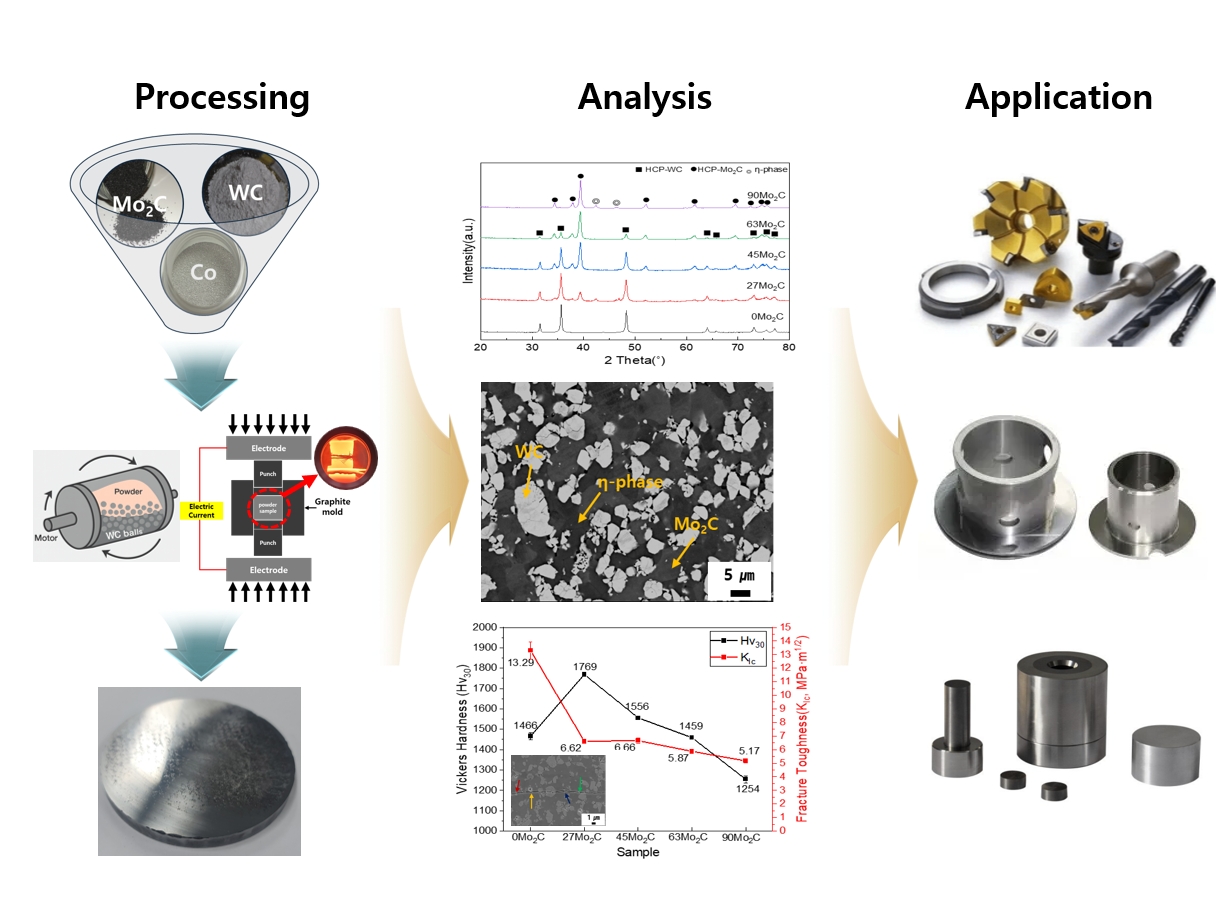
- WC–Mo₂C–Co cemented carbides were fabricated to investigate the effects of Mo₂C addition on microstructure and mechanical properties. Dual hard-phase design using WC and Mo₂C was employed to optimize the balance between hardness and toughness. Spark plasma sintering (SPS) was conducted at various temperatures after ball milling, and 1300 °C for 5 min was identified as the optimized sintering condition, achieving complete densification and phase stability. The addition of Mo₂C refined the microstructure by suppressing abnormal WC grain growth through preferential dissolution of Mo₂C into the Co binder. Hardness increased up to 1769 Hv30 due to grain refinement and solid-solution strengthening, while promoted η-phase formation and reduced fracture toughness.The 27Mo₂C composition exhibited the most balanced combination of hardness and toughness. These results demonstrate that controlled Mo₂C addition enables dual hard-phase strengthening and microstructure optimization in WC–Mo₂C–Co carbides for advanced cutting and forming applications.
-
Citations
Citations to this article as recorded by- Effect of Bimodal WC Particle Size Distribution on the Mechanical Properties of WC–Mo2C–Co Cemented Carbides
Jinwoo Seok, Jong Tae Kim, Juree Jung, Bin Lee, Junhee Han, Leeseung Kang
Journal of Powder Materials.2026; 33(1): 13. CrossRef
- Effect of Bimodal WC Particle Size Distribution on the Mechanical Properties of WC–Mo2C–Co Cemented Carbides
- [Korean]
- Fabrication and Alloying Behavior of Ultra-Lightweight AlTiCrVMg High-Entropy Alloy via Al-Mg Mutual Solubility and Sintering Control
- Eunhyo Song, Hansung Lee, Byungmin Ahn
- J Powder Mater. 2025;32(3):254-261. Published online June 12, 2025
- DOI: https://doi.org/10.4150/jpm.2025.00059
- Funded: National Research Foundation of Korea
- 1,159 View
- 34 Download
- 1 Citations
-
Abstract
PDF
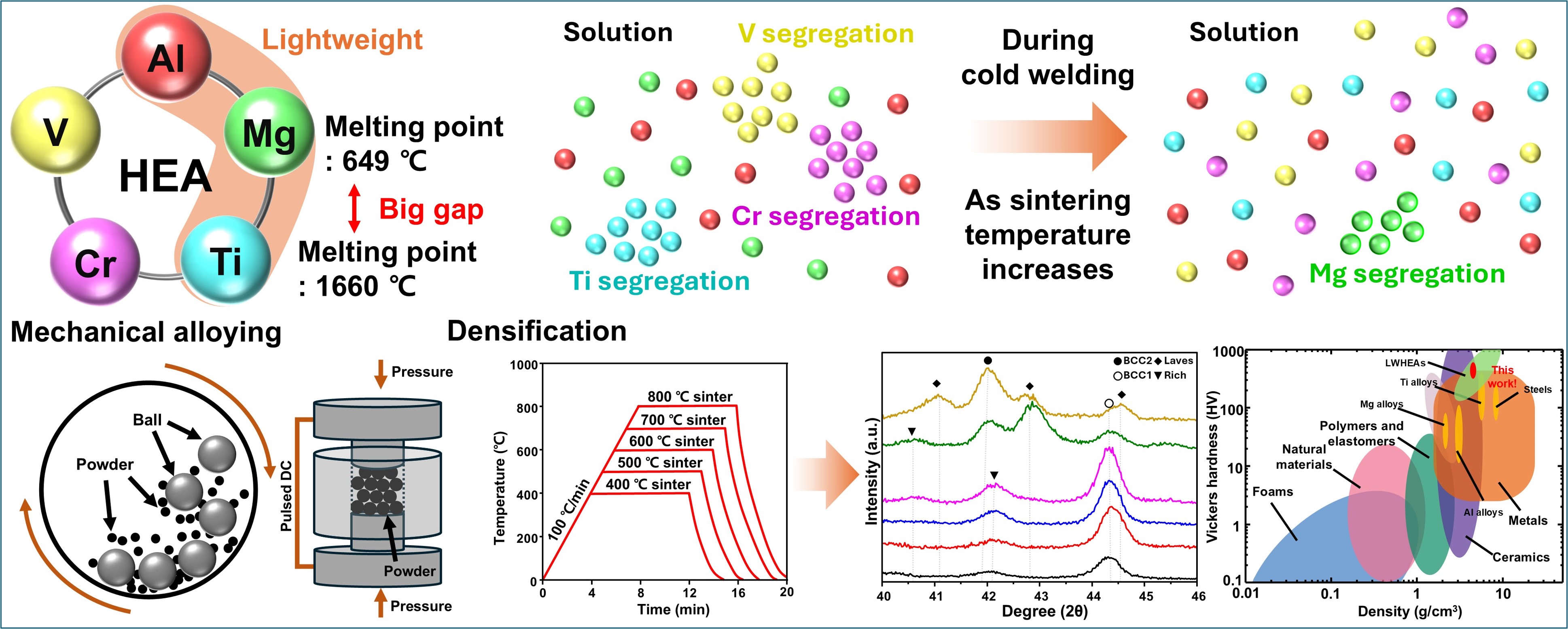
- High-entropy alloys (HEAs) incorporating low-melting-point elements (Mg and Al) and high-melting-point elements (Ti, Cr, and V) were fabricated via mechanical alloying and spark plasma sintering. Sintering temperatures were varied to investigate phase behavior and microstructural evolution. X-ray diffraction was used to identify phase structures, scanning electron microscopy to analyze microstructures, X-ray fluorescence to determine elemental composition, and a gas pycnometer to measure density. Micro-Vickers hardness testing was conducted to evaluate mechanical properties. Mechanical-alloyed HEAs exhibited a body-centered cubic (BCC) phase and lamellar structures with element-enriched regions. Sintering introduced additional BCC and Laves phases, while higher temperatures promoted Mg liquid-phase sintering, increasing density and hardness. This study highlights the effects of sintering on HEAs containing elements with differing melting points to optimize their properties.
-
Citations
Citations to this article as recorded by- Effect of annealing temperature on thermal expansion and cryogenic mechanical properties of low-thermal-expansion Co22.2Cr6.2Fe48.8Ni17.8Cu5.0 medium-entropy alloy
Wooyoung Lee, Munsu Choi, Sungwook Kim, Dae-Kyeom Kim, Myungsuk Song, Taek-Soo Kim, Jungwan Lee, Hyoung Seop Kim, Hyunjoo Choi, Soo-Hyun Joo
Materials Science and Engineering: A.2026; 954: 149811. CrossRef
- Effect of annealing temperature on thermal expansion and cryogenic mechanical properties of low-thermal-expansion Co22.2Cr6.2Fe48.8Ni17.8Cu5.0 medium-entropy alloy
- [English]
- Self-Assembled Monolayers in Area-Selective Atomic Layer Deposition and Their Challenges
- Si Eun Jung, Ji Woong Shin, Ye Jin Han, Byung Joon Choi
- J Powder Mater. 2025;32(3):179-190. Published online June 30, 2025
- DOI: https://doi.org/10.4150/jpm.2025.00094
- Funded: National Research Foundation of Korea
- 7,146 View
- 279 Download
- 5 Citations
-
Abstract
PDF
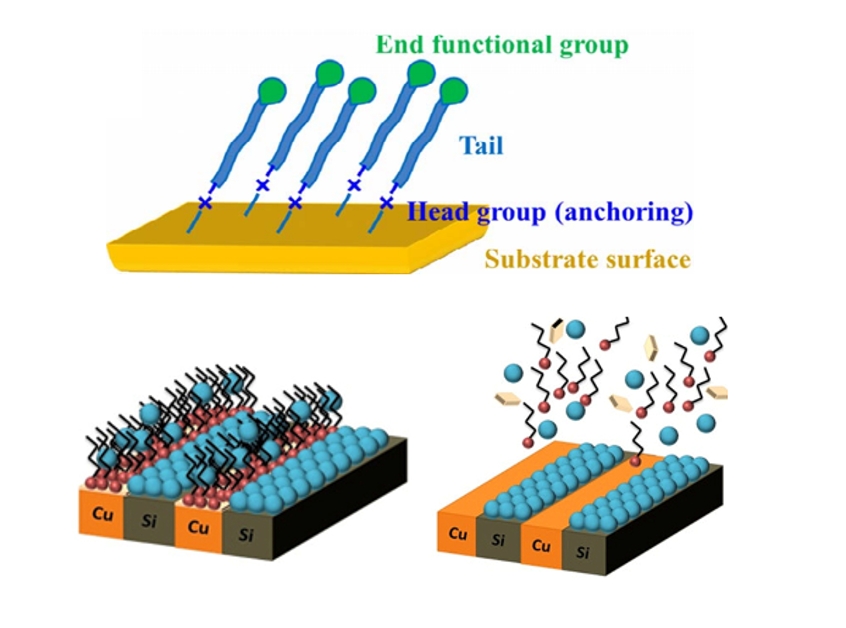
- Area-selective atomic layer deposition (AS-ALD) is a bottom-up process that selectively deposits thin films onto specific areas of a wafer surface. The surface reactions of AS-ALD are controlled by blocking the adsorption of precursors using inhibitors such as self-assembled monolayers (SAMs) or small molecule inhibitors. To increase selectivity during the AS-ALD process, the design of both the inhibitor and the precursor is crucial. Both inhibitors and precursors vary in reactivity and size, and surface reactions are blocked through interactions between precursor molecules and surface functional groups. However, challenges in the conventional SAM-based AS-ALD method include thermal instability and potential damage to substrates during the removal of residual SAMs after the process. To address these issues, recent studies have proposed alternative inhibitors and process design strategies.
-
Citations
Citations to this article as recorded by- Temperature-Dependent Surface Structural Change in Self-Assembled Monolayers Studied with Vibrational Sum-Frequency Generation and QM/MD Simulation
Hojeong Yoon, Saima Sadiq, Junhyeok Park, Kyungwon Kwak, Minhaeng Cho
The Journal of Physical Chemistry Letters.2026; 17(4): 1119. CrossRef - Vertically Aligned Micro‐ and Nanoneedles for Advanced Biomedical Applications: From Fabrication Strategies to Clinical Translation
Yerim Jang, Sowon Lee, Younghak Cho, Hyejeong Seong
Small Structures.2026;[Epub] CrossRef - Morphology dependent optical properties of inorganic–organic hybrid ZnO thin films
Saleem G. Rao, Muhammad B. Haider, Omar A. Saleh
The European Physical Journal Applied Physics.2026; 101: 5. CrossRef - Backbone‐Length‐Optimized Inhibitors Deliver Long‐Retention Selectivity in Area‐Selective ALD of VO2
Hae Lin Yang, Eun Chong Cho, Minchan Kim, Hye In Park, Ga‐young Lee, Seunghwan Lee, Beomseok Kim, Changhwa Jung, Youngkwon Kim, Jin‐Seong Park
Advanced Science.2026;[Epub] CrossRef - Inducing chemical selectivity in the atomic layer deposition (ALD) of oxide films via gas-phase silylation using N-(trimethylsilyl)dimethylamine (TMSDMA)
Mohammed Sadman Alam, Francisco Zaera
Applied Surface Science.2026; 746: 167569. CrossRef
- Temperature-Dependent Surface Structural Change in Self-Assembled Monolayers Studied with Vibrational Sum-Frequency Generation and QM/MD Simulation
- [Korean]
- Development of Aluminum Alloys for Additive Manufacturing Using Machine Learning
- Sungbin An, Juyeon Han, Seoyeon Jeon, Dowon Kim, Jae Bok Seol, Hyunjoo Choi
- J Powder Mater. 2025;32(3):202-211. Published online June 30, 2025
- DOI: https://doi.org/10.4150/jpm.2025.00150
- Funded: National Research Foundation of Korea
- 1,408 View
- 59 Download
- 1 Citations
-
Abstract
PDF
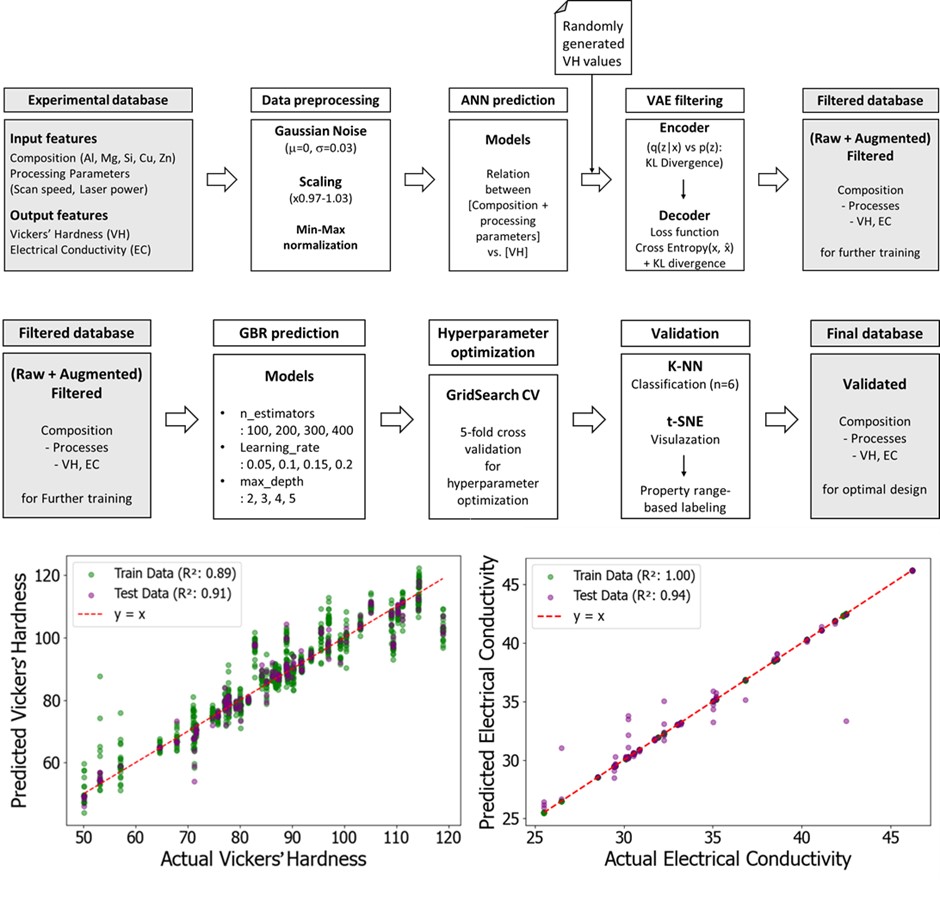
- The present study introduces a machine learning approach for designing new aluminum alloys tailored for directed energy deposition additive manufacturing, achieving an optimal balance between hardness and conductivity. Utilizing a comprehensive database of powder compositions, process parameters, and material properties, predictive models—including an artificial neural network and a gradient boosting regression model, were developed. Additionally, a variational autoencoder was employed to model input data distributions and generate novel process data for aluminum-based powders. The similarity between the generated data and the experimental data was evaluated using K-nearest neighbor classification and t-distributed stochastic neighbor embedding, with accuracy and the F1-score as metrics. The results demonstrated a close alignment, with nearly 90% accuracy, in numerical metrics and data distribution patterns. This work highlights the potential of machine learning to extend beyond multi-property prediction, enabling the generation of innovative process data for material design.
-
Citations
Citations to this article as recorded by- Predictive Control of Magnesium Content in Industrial 5182 Aluminum Alloy Recycling Using SCADA-Guided Gradient Boosting
Mengya Wang, Jiahui Xu, Xiaohu Wang, Farid Wirawan, Mouhamadou Aziz Diop
Journal of Materials Engineering and Performance.2026;[Epub] CrossRef
- Predictive Control of Magnesium Content in Industrial 5182 Aluminum Alloy Recycling Using SCADA-Guided Gradient Boosting
- [English]
- Thermodynamic and Electronic Descriptor-Driven Machine Learning for Phase Prediction in High-Entropy Alloys: Experimental Validation
- Nguyen Lam Khoa, Nguyen Duy Khanh, Hoang Thi Ngoc Quyen, Nguyen Thi Hoang Oanh, , Le Hong Thang, Nguyen Hoa Khiem, Nguyen Hoang Viet
- J Powder Mater. 2025;32(3):191-201. Published online June 30, 2025
- DOI: https://doi.org/10.4150/jpm.2025.00143
- Funded: Ministry of Education and Training of Vietnam
- 3,881 View
- 108 Download
- 4 Citations
-
Abstract
PDF
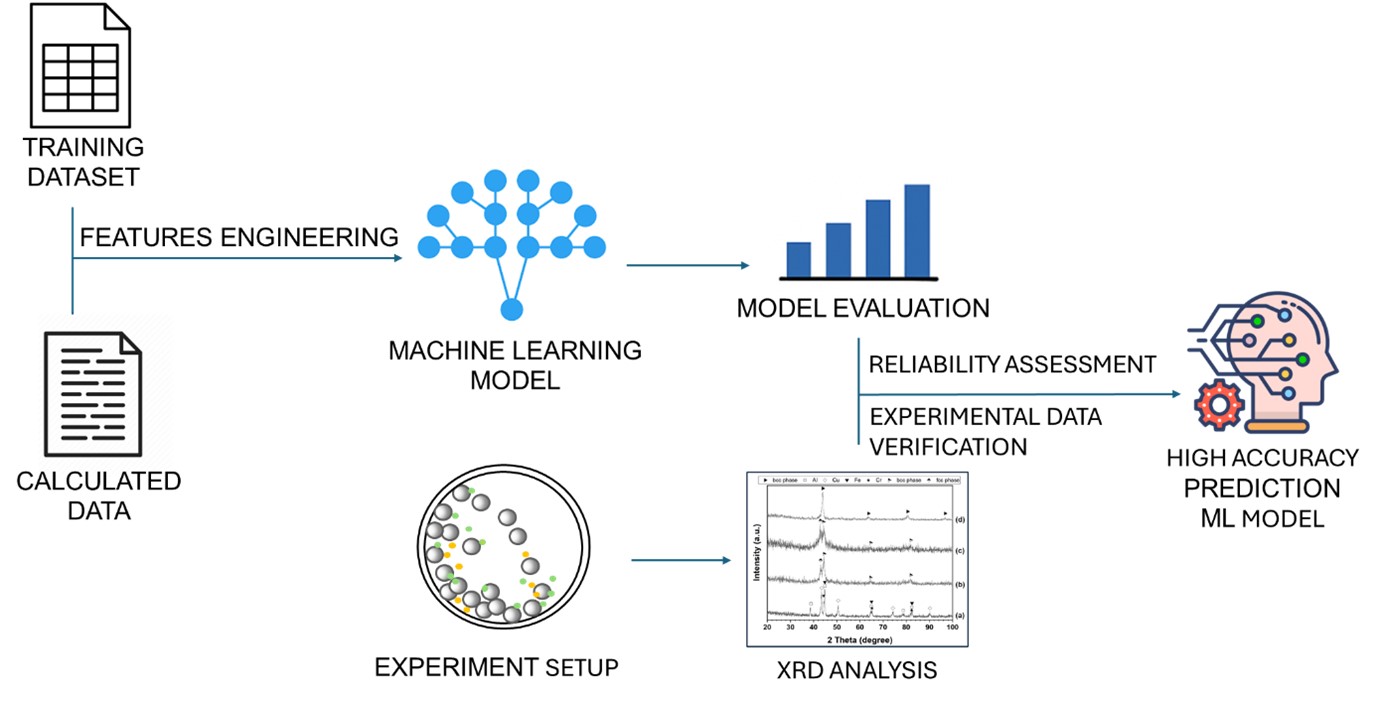
- High-entropy alloys (HEAs) exhibit complex phase formation behavior, challenging conventional predictive methods. This study presents a machine learning (ML) framework for phase prediction in HEAs, using a curated dataset of 648 experimentally characterized compositions and features derived from thermodynamic and electronic descriptors. Three classifiers—random forest, gradient boosting, and CatBoost—were trained and validated through cross-validation and testing. Gradient boosting achieved the highest accuracy, and valence electron concentration (VEC), atomic size mismatch (δ), and enthalpy of mixing (ΔHmix) were identified as the most influential features. The model predictions were experimentally verified using a non-equiatomic Al₃₀Cu₁₇.₅Fe₁₇.₅Cr₁₇.₅Mn₁₇.₅ alloy and the equiatomic Cantor alloy (CoCrFeMnNi), both of which showed strong agreement with predicted phase structures. The results demonstrate that combining physically informed feature engineering with ML enables accurate and generalizable phase prediction, supporting accelerated HEA design.
-
Citations
Citations to this article as recorded by- Effect of annealing temperature on thermal expansion and cryogenic mechanical properties of low-thermal-expansion Co22.2Cr6.2Fe48.8Ni17.8Cu5.0 medium-entropy alloy
Wooyoung Lee, Munsu Choi, Sungwook Kim, Dae-Kyeom Kim, Myungsuk Song, Taek-Soo Kim, Jungwan Lee, Hyoung Seop Kim, Hyunjoo Choi, Soo-Hyun Joo
Materials Science and Engineering: A.2026; 954: 149811. CrossRef - Amorphization–Densification Coupling Governs Hardness Enhancement in SPS-Consolidated Al–Fe–Nb–(Ni,Ti) Metastable Alloys
Nguyen Thi Hoang Oanh, Nguyen Hoang Viet
Materials.2026; 19(12): 2628. CrossRef - Preparation and Arc Erosion Behavior of Cu-Based Contact Materials Reinforced with High Entropy Particles CuCrNiCoFe
Jiacheng Tong, Jun Wang, Huimin Zhang, Haoran Liu, Youchang Sun, Zhiguo Li, Wenyi Zhang, Zhe Wang, Yanli Chang, Zhao Yuan, Henry Hu
Metallurgical and Materials Transactions B.2025; 56(5): 5948. CrossRef - Recent progresses on high entropy alloy development using machine learning: A review
Abhishek Kumar, Nilay Krishna Mukhopadhyay, Thakur Prasad Yadav
Computational Materials Today.2025; 8: 100038. CrossRef
- Effect of annealing temperature on thermal expansion and cryogenic mechanical properties of low-thermal-expansion Co22.2Cr6.2Fe48.8Ni17.8Cu5.0 medium-entropy alloy
- [Korean]
- Effect of Support Structure on Residual Stress Distribution in Ti-6Al-4V Alloy Fabricated by Laser Powder Bed Fusion
- Seungyeon Lee, Haeum Park, Min Jae Baek, Dong Jun Lee, Jae Wung Bae, Ji-Hun Yu, Jeong Min Park
- J Powder Mater. 2025;32(3):244-253. Published online June 30, 2025
- DOI: https://doi.org/10.4150/jpm.2025.00087
- Funded: Korean Institute of Materials Science, Ministry of Trade, Industry, and Energy, Ministry of Trade, Industry, and Energy, Ministry of Trade, Industry, and Energy
- 1,851 View
- 54 Download
- 1 Citations
-
Abstract
PDF
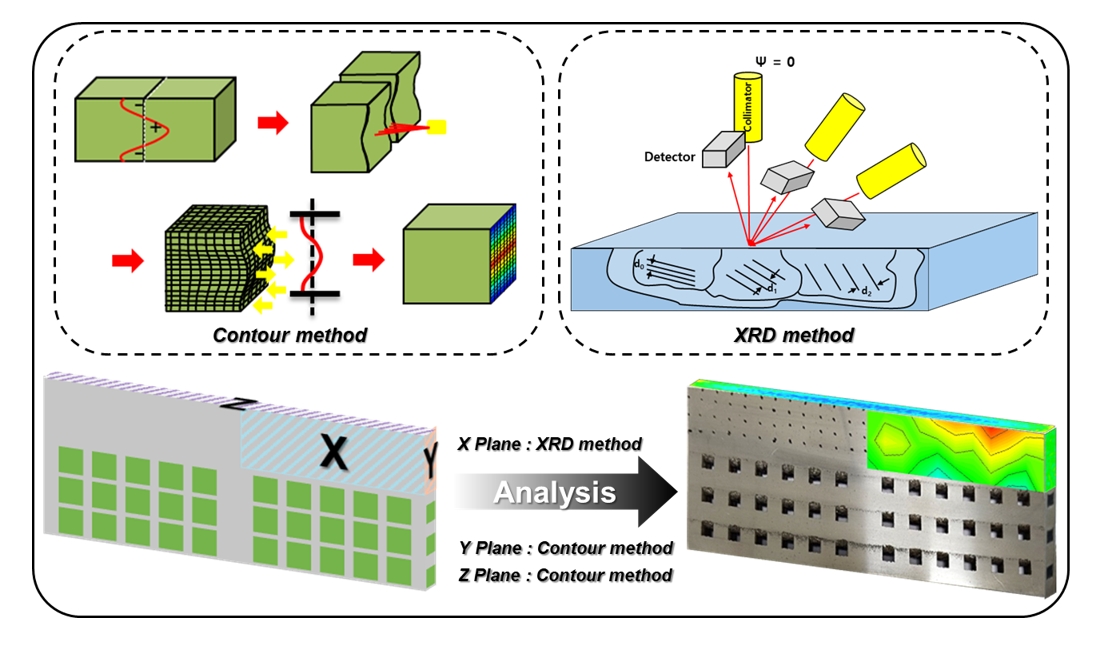
- Ti-6Al-4V alloy is widely utilized in aerospace and medical sectors due to its high specific strength, corrosion resistance, and biocompatibility. However, its low machinability makes it difficult to manufacture complex-shaped products. Advancements in additive manufacturing have focused on producing high-performance, complex components using the laser powder bed fusion (LPBF) process, which is a specialized technique for customized geometries. The LPBF process exposes materials to extreme thermal conditions and rapid cooling rates, leading to residual stresses within the parts. These stresses are intensified by variations in the thermal history across regions of the component. These variations result in differences in microstructure and mechanical properties, causing distortion. Although support structure design has been researched to minimize residual stress, few studies have conducted quantitative analyses of stress variations due to different support designs. This study investigated changes in the residual stress and mechanical properties of Ti-6Al-4V alloy fabricated using LPBF, focusing on support structure design.
-
Citations
Citations to this article as recorded by- Microstructure, Magnetic Properties, and Performance of Fe-6.5Si Soft Magnetic Core Produced by Laser Powder Bed Fusion
Ji Sang Yoon, Yeon Woo Kim, Gyu Hyun Park, Youk Jin Kim, Sang Heon Lee, Jeong Seok Kim, Sung Ho Yu, Jeong Min Park
Journal of Powder Materials.2026; 33(3): 177. CrossRef
- Microstructure, Magnetic Properties, and Performance of Fe-6.5Si Soft Magnetic Core Produced by Laser Powder Bed Fusion
- [English]
- SnF2-Induced LiF Interphase for Stable Lithium Metal Anodes with Suppressed Dendrite Growth
- Yeong Hoon Jeon, Seul Ki Choi, Yun Seung Nah, Wonil Shin, Yong-Ho Choa, Minho Yang
- J Powder Mater. 2025;32(3):212-221. Published online June 30, 2025
- DOI: https://doi.org/10.4150/jpm.2025.00164
- Funded: National Research Foundation of Korea, National Research Foundation of Korea
- 2,723 View
- 87 Download
- 1 Citations
-
Abstract
PDF
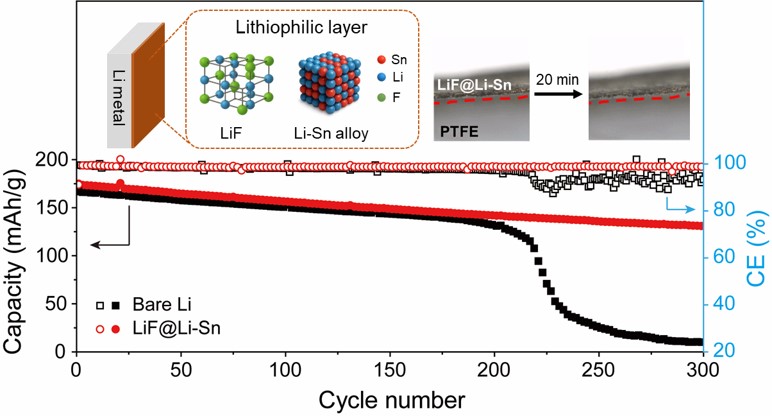
- Lithium (Li) metal is a promising anode for next-generation batteries due to its high capacity, low redox potential, and low density. However, dendrite growth and interfacial instability limit its use. In this study, an artificial solid electrolyte interphase layer of LiF and Li-Sn (LiF@Li-Sn) was fabricated by spray-coating SnF2 onto Li. The LiF@Li-Sn anode exhibited improved air stability and electrochemical performance. Electrochemical impedance spectroscopy indicated a charge transfer resistance of 25.2 Ω after the first cycle. In symmetric cells, it maintained a low overpotential of 27 mV after 250 cycles at 2 mA/cm2, outperforming bare Li. In situ microscopy confirmed dendrite suppression during plating. Full cells with NMC622 cathodes and LiF@Li-Sn anodes delivered 130.8 mAh/g with 79.4% retention after 300 cycles at 1 C and 98.8% coulombic efficiency. This coating effectively stabilized the interface and suppressed dendrites, with promising implications for practical lithium metal batteries.
-
Citations
Citations to this article as recorded by- AlN-PVDF composite protective coating for stabilizing lithium metal anodes in lithium metal batteries
Seul Ki Choi, Yun Seung Nah, Minho Yang
Carbon Letters.2026;[Epub] CrossRef
- AlN-PVDF composite protective coating for stabilizing lithium metal anodes in lithium metal batteries
- [English]
- The Effect of Aluminum Powder Size on the Structure and Mechanical Properties of Foam
- Seunghyeok Choi, Sungjin Kim, Tae-Young Ahn, Yu-Song Choi, Jae-Gil Jung, Seung Bae Son, Seok-Jae Lee
- J Powder Mater. 2025;32(3):232-243. Published online June 30, 2025
- DOI: https://doi.org/10.4150/jpm.2025.00157
- Funded: Agency for Defense Development
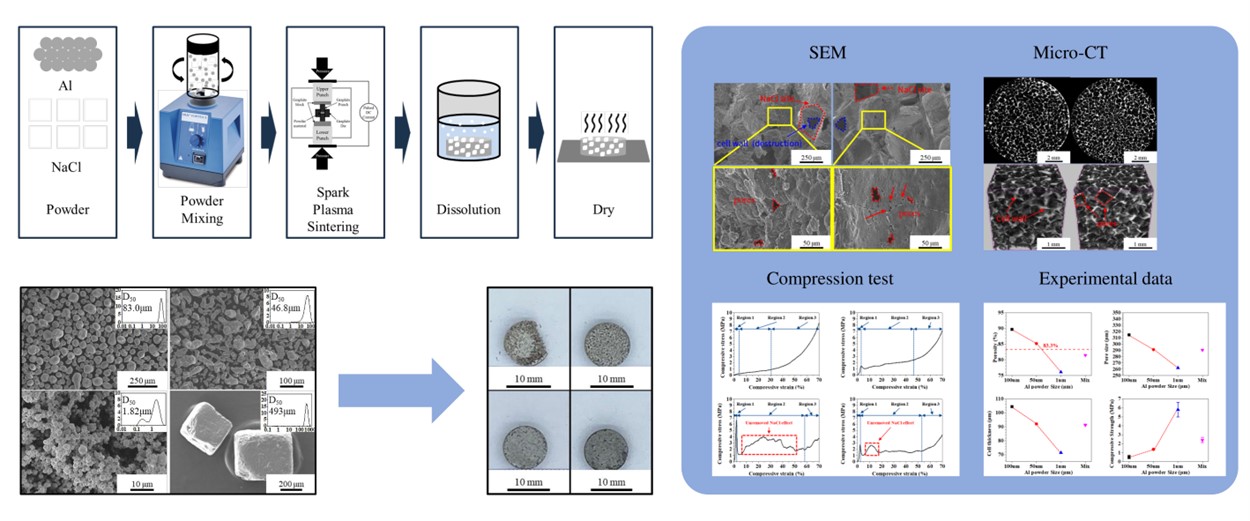
- 2,912 View
- 69 Download
- 4 Citations
-
Abstract
PDF
- In this study, we analyzed the structural and mechanical properties of aluminum foams fabricated using aluminum powders of varying sizes and mixtures. The effects of sintering and pore structure at each size on the integrity and mechanical properties of the foams were investigated. Structural characteristics were examined using scanning electron microscopy and micro–computed tomography, while mechanical properties were evaluated through compression testing. The experimental results demonstrated that smaller powder sizes improved foam integrity, reduced porosity and pore size, and resulted in thinner cell walls. In combination, these effects increased compressive strength as the powder size decreased. The findings of this study contribute to the understanding and improvement of the mechanical properties of aluminum foams and highlight their potential for use in a wide range of applications.
-
Citations
Citations to this article as recorded by- Sustainable Manufacturing of Graphene–Aluminum Composites: A Comparative Life Cycle Assessment
Xinwei Yang, Qian Peng, Changke Chen, Qingcui Liu, Yudai Huang
Journal of Sustainable Metallurgy.2026; 12(1): 727. CrossRef - Effect of powder size and sintering time on the induction sintering behavior of aluminum fabricated by UHFIS
Hıdır Sercan Çubuk
Turkish Journal of Engineering.2026; 10(2): 396. CrossRef - A Powder-Metallurgical Route to Ag2(Te,S) Compounds and Their Thermoelectric Properties
Seungki Jo, Yoojeong Ji, Linh Ba Vu, Kyung Tae Kim
Journal of Powder Materials.2026; 33(3): 214. CrossRef - Comparative Densification, Microstructure, and Mechanical Response of Five-Layer Al-Al2O3 Functionally Graded Materials Processed by Vacuum Sintering and Spark Plasma Sintering
Satyasaibaba Pitta, Ranga Janardhana Ginka, Balakrishna Bhanavathu
Journal of The Institution of Engineers (India): Series D.2026;[Epub] CrossRef
- Sustainable Manufacturing of Graphene–Aluminum Composites: A Comparative Life Cycle Assessment
- [Korean]
- The Manufacturing Process of Clean Ni-Cr-Co-Based Superalloy Powder Using a Plasma Rotating Electrode
- Kyu-Sik Kim, Dae Woong Kim, Yeontae Kim, Jung Hyo Park
- J Powder Mater. 2025;32(3):222-231. Published online June 30, 2025
- DOI: https://doi.org/10.4150/jpm.2025.00171
- Funded: Agency for Defense Development
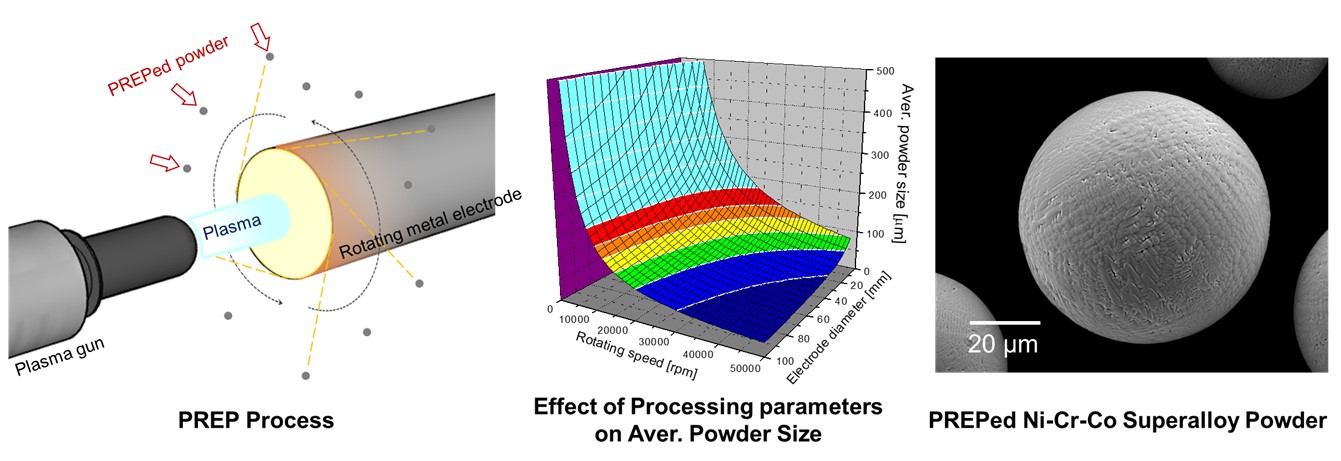
- 1,521 View
- 41 Download
- 1 Citations
-
Abstract
PDF
- Ni-based superalloys are widely used for critical components in aerospace, defense, industrial power generation systems, and other applications. Clean superalloy powders and manufacturing processes, such as compaction and hot isostatic pressing, are essential for producing superalloy discs used in turbine engines, which operate under cyclic rotating loads and high-temperature conditions. In this study, the plasma rotating electrode process (PREP), one of the most promising methods for producing clean metallic powders, is employed to fabricate Ni-based superalloy powders. PREP leads to a larger powder size and narrower distribution compared to powders produced by vacuum induction melt gas atomization. An important finding is that highly spheroidized powders almost free of satellites, fractured, and deformed particles can be obtained by PREP, with significantly low oxygen content (approximately 50 ppm). Additionally, large grain size and surface inclusions should be further controlled during the PREP process to produce high-quality powder metallurgy parts.
-
Citations
Citations to this article as recorded by- Characterization of Hf, Pt-doped NiCoCrAlY powders fabricated via plasma rotating electrode process
Chengxi Wang, Bochun Zhang, Jiale Tian, Peng Song, Taihong Huang, Jilin Lei, Wei Deng, Vincent Ji
Powder Technology.2026; 480: 122628. CrossRef
- Characterization of Hf, Pt-doped NiCoCrAlY powders fabricated via plasma rotating electrode process
- [Korean]
- Flexible Hybrid Energy Harvester based on Thermoelectric Composite Film and Electrospun Piezopolymer Membranes
- Hyomin Jeon, Cheol Min Kim, Hyeon Jun Park, Bitna Bae, Hyejeong Choi, HakSu Jang, Kwi-Il Park
- J Powder Mater. 2025;32(2):104-112. Published online March 4, 2025
- DOI: https://doi.org/10.4150/jpm.2024.00458
- Funded: National Research Foundation of Korea, National Research Foundation of Korea
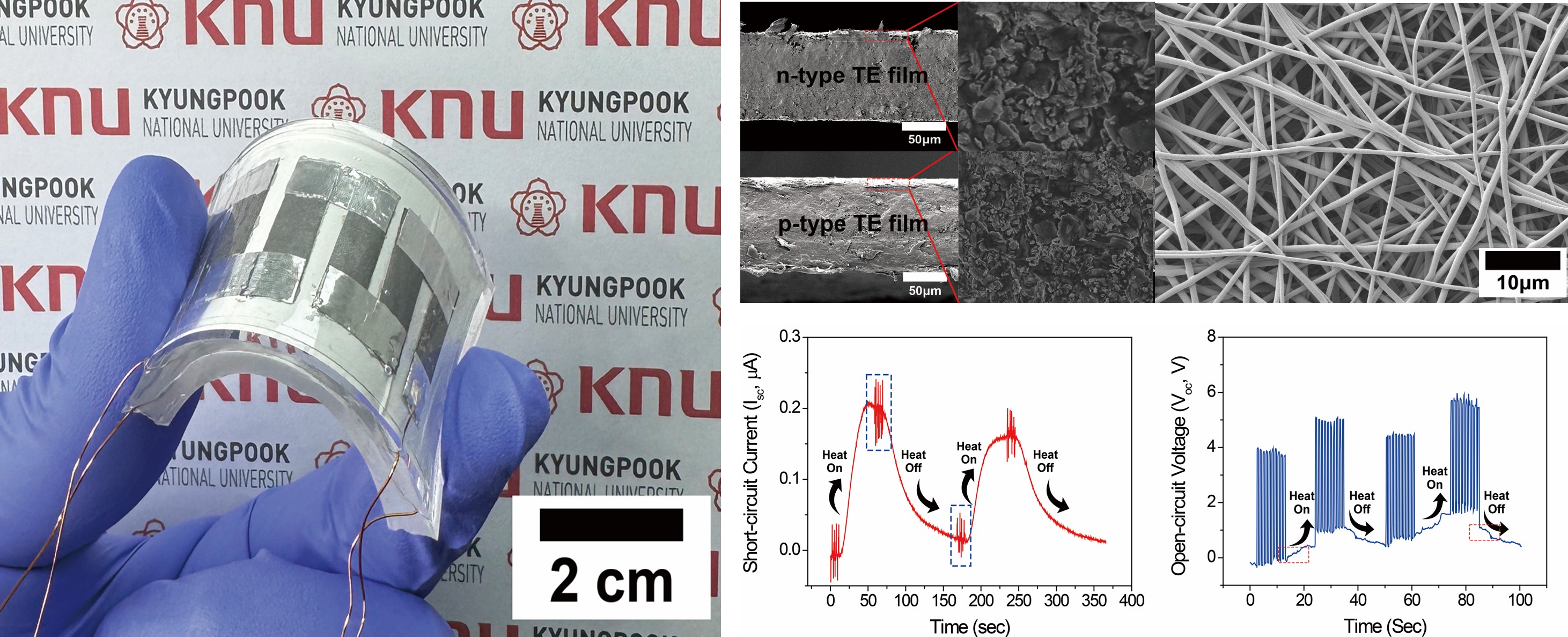
- 1,597 View
- 37 Download
- 3 Citations
-
Abstract
PDF
- A hybrid energy harvester that consisted of thermoelectric (TE) composite film and electrospun piezoelectric (PE) polymeric membranes was constructed. TE composites were fabricated by dispersing inorganic TE powders inside polyvinylidene fluoride elastomer using a drop-casting technique. The polyvinylidene fluoride-trifluoroethylene, which was chosen due to its excellent chemical resistance, mechanical stability, and biocompatibility, was electrospun onto an aluminum foil to fabricate the ultra-flexible PE membranes. To create a hybrid energy harvester that can simultaneously convert heat and mechanical energy resources into electricity, the TE composite films attached to the PE membrane were encapsulated with protective polydimethylsiloxane. The fabricated energy harvester converted the outputs with a maximum voltage of 4 V (PE performance) and current signals of 0.2 μA (TE performance) under periodical heat input and mechanical bending in hybrid modes. This study demonstrates the potential of the hybrid energy harvester for powering flexible and wearable electronics, offering a sustainable and reliable power source.
-
Citations
Citations to this article as recorded by- Unidirectional porous PVDF Piezoelectrets fabricated via gradient ice-templating for enhanced energy harvesting performance
HyoMin Jeon, Seo Young Yoon, Nagamalleswara Rao Alluri, Momanyi Amos Okirigiti, HakSu Jang, Changyeon Baek, Tiandong Zhang, Geon-Tae Hwang, Min-Ku Lee, Gyoung-Ja Lee, Kwi-Il Park
Sustainable Materials and Technologies.2026; 47: e01888. CrossRef - Flexible Thermoelectric Energy Harvester based on Ionic Liquid-Incorporated Bi0.5Sb1.5Te3-PVDF Composite Films
Hyejeong Choi, Jimin Lee, HakSu Jang, Nagamalleswara Rao Alluri, Jong Min Park, Wonho Choi, Kwi-Il Park
JOURNAL OF SENSOR SCIENCE AND TECHNOLOGY.2026; 35(2): 130. CrossRef - A Fabric-Based Wearable Piezoelectric Energy Harvester Fabricated by a Simple and Low-Cost Screen-Printing Technique
HyoMin Jeon, Momayi Amos Okirigiti, Dahye Shin, Kyoung Jin Jung, Kwi-Il Park
Journal of Electrical and Electronic Materials.2026; 39(3): 295. CrossRef
- Unidirectional porous PVDF Piezoelectrets fabricated via gradient ice-templating for enhanced energy harvesting performance
- [Korean]
- Effect of the Initial Porosity of Needle Coke-Pitch Carbonized Blocks on Impregnation-Related Physical Properties
- U-Sang Youn, Sang-Hye Lee, Jae-Seung Roh
- J Powder Mater. 2025;32(2):138-144. Published online April 30, 2025
- DOI: https://doi.org/10.4150/jpm.2025.00038
- Funded: Kumoh National Institute of Technology

- 1,128 View
- 22 Download
-
Abstract
PDF
- Carbonized blocks with different porosities were prepared by varying the particle size of the filler and subsequent impregnation. The impregnated carbonized blocks were re-carbonized. The use of smaller particles in the filler in the carbonized block was associated with larger porosity, smaller pore size, and a higher impregnation ratio. The block with the smallest average particle size (53 μm), CB-53, had a porosity of 35.9% and pores of approximately 40 μm, while the block with the largest average particle size (413 μm), CB-413, had a porosity of 30.5% and pores of approximately 150 μm. CB-53 had the highest bulk density, electrical resistivity, flexural strength, and impregnation ratio. This is due to the large porosity, which is believed to be due to the presence of more interfaces between particles during the re-carbonization of the impregnated carbonized block, resulting in a better pore-filling effect.
Critical Review
- [English]
- A Review of Recent Developments in CoCrFeMnNi High-Entropy Alloys Processed by Powder Metallurgy
- Cheenepalli Nagarjuna, Sheetal Kumar Dewangan, Hansung Lee, Eunhyo Song, K. Raja Rao, Byungmin Ahn
- J Powder Mater. 2025;32(2):145-164. Published online April 30, 2025
- DOI: https://doi.org/10.4150/jpm.2024.00430
- Funded: National Research Foundation of Korea
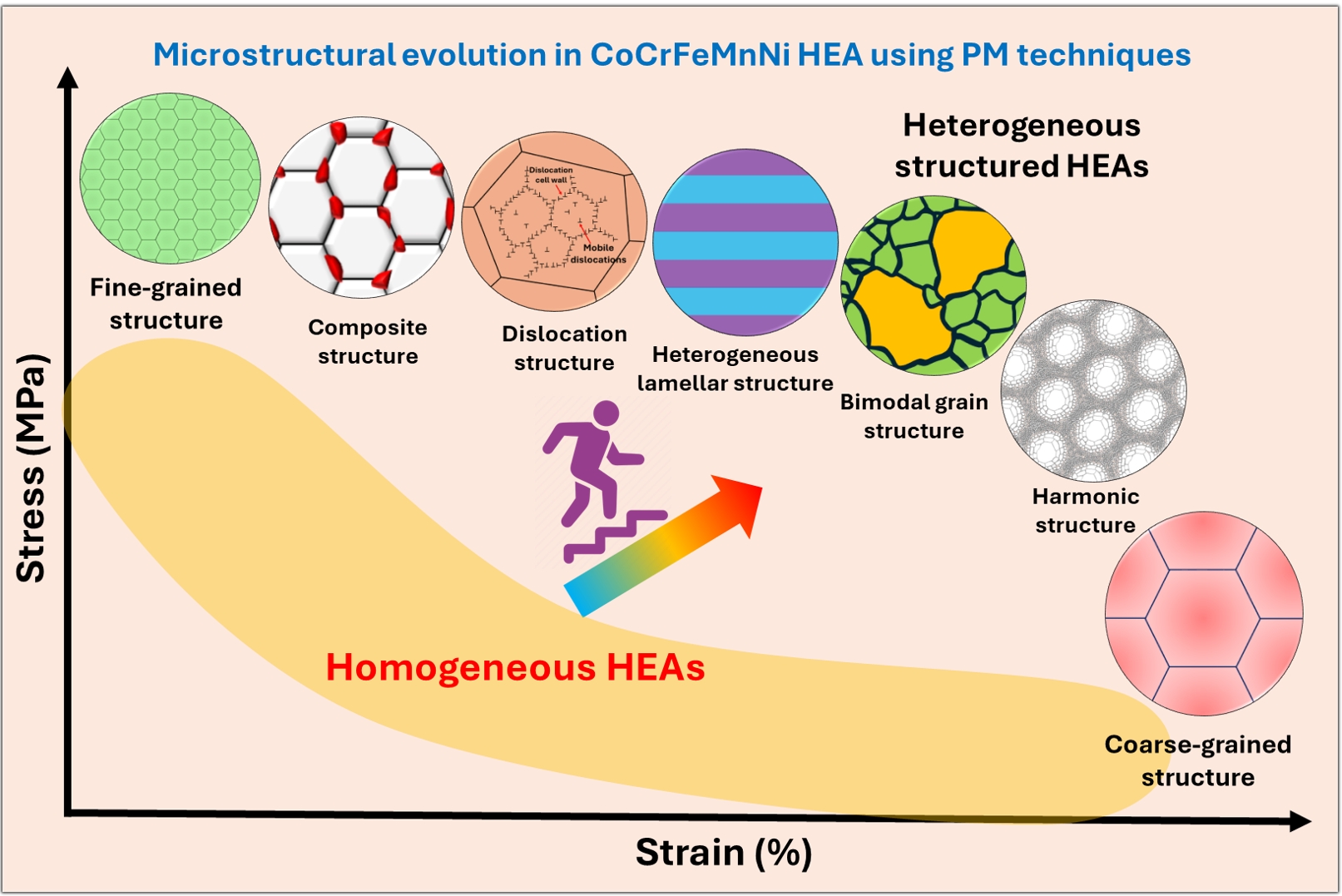
- 6,992 View
- 163 Download
- 8 Citations
-
Abstract
PDF
- In recent years, high-entropy alloys (HEAs) have attracted considerable attention in materials engineering due to their unique phase stability and mechanical properties compared to conventional alloys. Since the inception of HEAs, CoCrFeMnNi alloys have been widely investigated due to their outstanding strength and fracture toughness at cryogenic temperatures. However, their lower yield strength at room temperature limits their structural applications. The mechanical properties of HEAs are greatly influenced by their processing methods and microstructural features. Unlike traditional melting techniques, powder metallurgy (PM) provides a unique opportunity to produce HEAs with nanocrystalline structures and uniform compositions. The current review explores recent advances in optimizing the microstructural characteristics in CoCrFeMnNi HEAs by using PM techniques to improve mechanical performance. The most promising strategies include grain refinement, dispersion strengthening, and the development of heterogeneous microstructures (e.g., harmonic, bimodal, and multi-metal lamellar structures). Thermomechanical treatments along with additive manufacturing techniques are also summarized. Additionally, the review addresses current challenges and suggests future research directions for designing advanced HEAs through PM techniques.
-
Citations
Citations to this article as recorded by- Effect of annealing temperature on thermal expansion and cryogenic mechanical properties of low-thermal-expansion Co22.2Cr6.2Fe48.8Ni17.8Cu5.0 medium-entropy alloy
Wooyoung Lee, Munsu Choi, Sungwook Kim, Dae-Kyeom Kim, Myungsuk Song, Taek-Soo Kim, Jungwan Lee, Hyoung Seop Kim, Hyunjoo Choi, Soo-Hyun Joo
Materials Science and Engineering: A.2026; 954: 149811. CrossRef - Structural and mechanical characteristics of high-entropy CoCrFeMnNi alloys manufactured by vacuum induction melting
V. K. Drobyshev, I. A. Panchenko, S. V. Konovalov, E. M. Zapolskaya
Russian Physics Journal.2026;[Epub] CrossRef - Sustainable powder metallurgy route to Densify oxide-derived CoCrFeNi high-entropy alloy
Taehyeob Im, Minjong Kim, Gertrude Mugwe Mongella, Nelson Bayi, Caroline Sunyong Lee
Materials Today Sustainability.2026; 34: 101330. CrossRef - Ultrasonic Nanocrystal Surface Modification of 3D Interconnected Heterostructured Complex Concentrated Alloys Produced by Liquid Metal Dealloying: Microstructural Evolution and Wear Behavior
Jumi Choi, Yeji Kim, Munsu Choi, Jae Hyuk Lee, Dong Jun Lee, Auezhan Amanov, Soo-Hyun Joo, Hyoung Seop Kim
Journal of Powder Materials.2026; 33(2): 91. CrossRef - Fabrication, application, and phase formation rules in high-entropy alloys
Milad Sakkaki, Vahid Pouyafar, Ramin Meshkabadi, Mehdi Shahedi Asl
Journal of Materials Science.2026; 61(27): 19161. CrossRef - Ultra-Low Temperature Mechanical Response of Laser Powder Bed Fusion–Processed C-Containing CoCrFeMnNi High-Entropy Alloy
Jae-Yong Cheon, Seong-June Youn, Young-Sang Na, Young-Kyun Kim
Journal of Powder Materials.2026; 33(3): 195. CrossRef - Thermodynamic investigation, design and syntheses of non-equiatomic NiCoCuFeMn high-entropy alloys based on phase formation rules
Milad Sakkaki, Vahid Pouyafar, Ramin Meshkabadi, Mehdi Shahedi Asl
Intermetallics.2026; 197: 109435. CrossRef - Thermodynamic and Electronic Descriptor-Driven Machine Learning for Phase Prediction in High-Entropy Alloys: Experimental Validation
Nguyen Lam Khoa, Nguyen Duy Khanh, Hoang Thi Ngoc Quyen, Nguyen Thi Hoang, Oanh, Le Hong Thang, Nguyen Hoa Khiem, Nguyen Hoang Viet
Journal of Powder Materials.2025; 32(3): 191. CrossRef
- Effect of annealing temperature on thermal expansion and cryogenic mechanical properties of low-thermal-expansion Co22.2Cr6.2Fe48.8Ni17.8Cu5.0 medium-entropy alloy
Research Articles
- [English]
- Ultra-Low-Temperature (4.2 K) Tensile Properties and Deformation Mechanism of Stainless Steel 304L Manufactured by Laser Powder Bed Fusion
- Seung-Min Jeon, Young-Sang Na, Young-Kyun Kim
- J Powder Mater. 2025;32(2):95-103. Published online April 30, 2025
- DOI: https://doi.org/10.4150/jpm.2025.00066
- Funded: Korea Institute of Materials Science, National Research Foundation of Korea
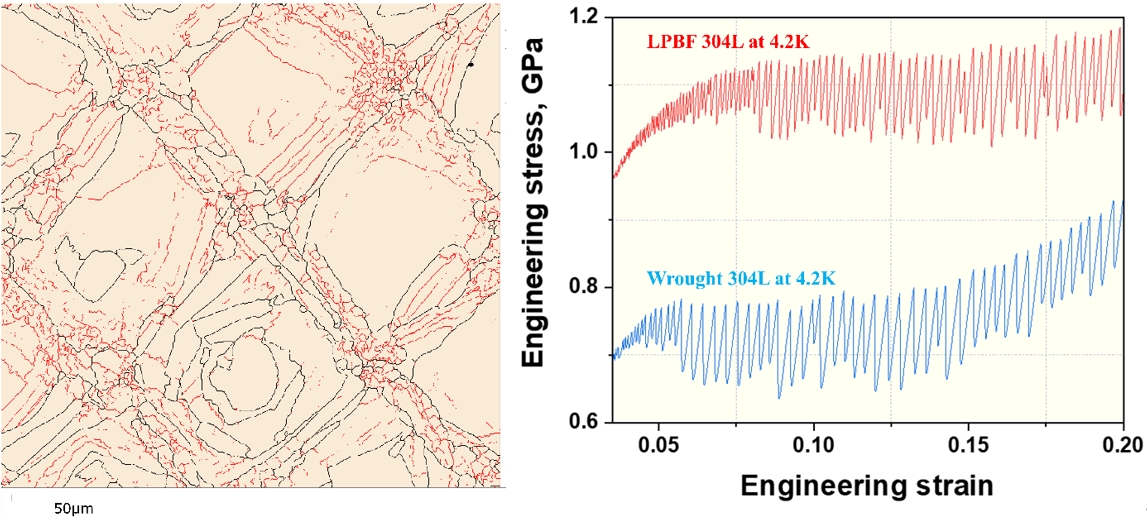
- 3,118 View
- 70 Download
- 7 Citations
-
Abstract
PDF
- This study investigated the ultra-low-temperature (4.2 K) tensile properties and deformation mechanisms of stainless steel 304L manufactured via laser powder bed fusion (LPBF). The tensile properties of LPBF 304L were compared to those of conventional 304L to assess its suitability for cryogenic applications. The results revealed that LPBF 304L exhibited a significantly higher yield strength but lower ultimate tensile strength and elongation than conventional 304L at 4.2 K. The temperature dependence of the yield strength also favored LPBF 304L. Microstructural analysis demonstrated that LPBF 304L features a high density of dislocation cells and nano-inclusions, contributing to its greater strength. Furthermore, strain-induced martensitic transformation was observed as a key deformation mechanism at cryogenic temperatures, where austenite transformed into both hexagonal-closed packed (HCP) and body-centered cubic (BCC) martensite. Notably, BCC martensite nucleation occurred within a single HCP band. These findings provide critical insights into the mechanical behavior of LPBF 304L at cryogenic temperatures and its potential for applications in extreme environments.
-
Citations
Citations to this article as recorded by- A strong and ductile nano/micro titanium carbide reinforced metastable austenitic steel at 4.2 K
Young-Kyun Kim, Sang Hun Shim, Young-Sang Na
Journal of Materials Science & Technology.2027; 278: 286. CrossRef - Extremely low-temperature tensile behavior of 316L stainless steel additively manufactured by laser powder bed fusion
Haeum Park, Heechan Jung, Min Young Sung, Young-Kyun Kim, Jaimyun Jung, Yoona Lee, Namhyun Kang, Kyung Tae Kim, Young-Sang Na, Seok Su Sohn, Jeong Min Park
Materials Science and Engineering: A.2026; 950: 149460. CrossRef - Twinning- and transformation-induced high cryogenic strength and ductility of the CoCrFeNi high-entropy alloy: Experiment and MD simulation
Yuze Wu, Zhide Li, Charlie Kong, M.W. Fu, Hailiang Yu
International Journal of Plasticity.2026; 196: 104553. CrossRef - Microstructure, cryogenic tensile and fracture behavior of laser welded Co17.5Cr12.5Fe55Ni10Mo5 complex concentrated alloy
Jae Hyuk Lee, Jeongmin Lee, Hidemi Kato, Seungkyun Yim, Dongkyoung Lee, Gian Song, Jeong Hun Lee, Dong Jun Lee, Young-Kyun Kim, Young-Sang Na, Hyoung Seop Kim, Jongun Moon, Soo-Hyun Joo
Materials Science and Engineering: A.2026; 960: 150106. CrossRef - Origin of little post-uniform elongation of 304L/310S austenitic stainless steels at extremely low temperatures
Seon-Keun Oh, Young-Kyun Kim, Young-Sang Na
Materials Science and Engineering: A.2026; 961: 150161. CrossRef - Ultra-Low Temperature Mechanical Response of Laser Powder Bed Fusion–Processed C-Containing CoCrFeMnNi High-Entropy Alloy
Jae-Yong Cheon, Seong-June Youn, Young-Sang Na, Young-Kyun Kim
Journal of Powder Materials.2026; 33(3): 195. CrossRef - Understanding the unique appearance behavior of shear bands during tensile deformation of α-brass at 4.2 K
Seon-Keun Oh, Sang-Hun Shim, Young-Kyun Kim, Young-Sang Na
Materials Science and Engineering: A.2025; 945: 148989. CrossRef
- A strong and ductile nano/micro titanium carbide reinforced metastable austenitic steel at 4.2 K
- [Korean]
- Effect of Cellulose Fiber Density Variation on Energy Harvesting Performance in a Hydrovoltaic Generator
- Seung-Hwan Lee, So Hyun Baek, Hyun-Woo Lee, Yongbum Kwon, Kanghyuk Lee, Kee-Ryung Park, Yoseb Song, Bum Sung Kim, Ji Young Park, Yong-Ho Choa, Da-Woon Jeong
- J Powder Mater. 2025;32(2):113-121. Published online April 30, 2025
- DOI: https://doi.org/10.4150/jpm.2025.00052
- Funded: Korea Institute of Industrial Technology, Development of DLE-type carbon-neutral next-generation lithium-ion concentration technology
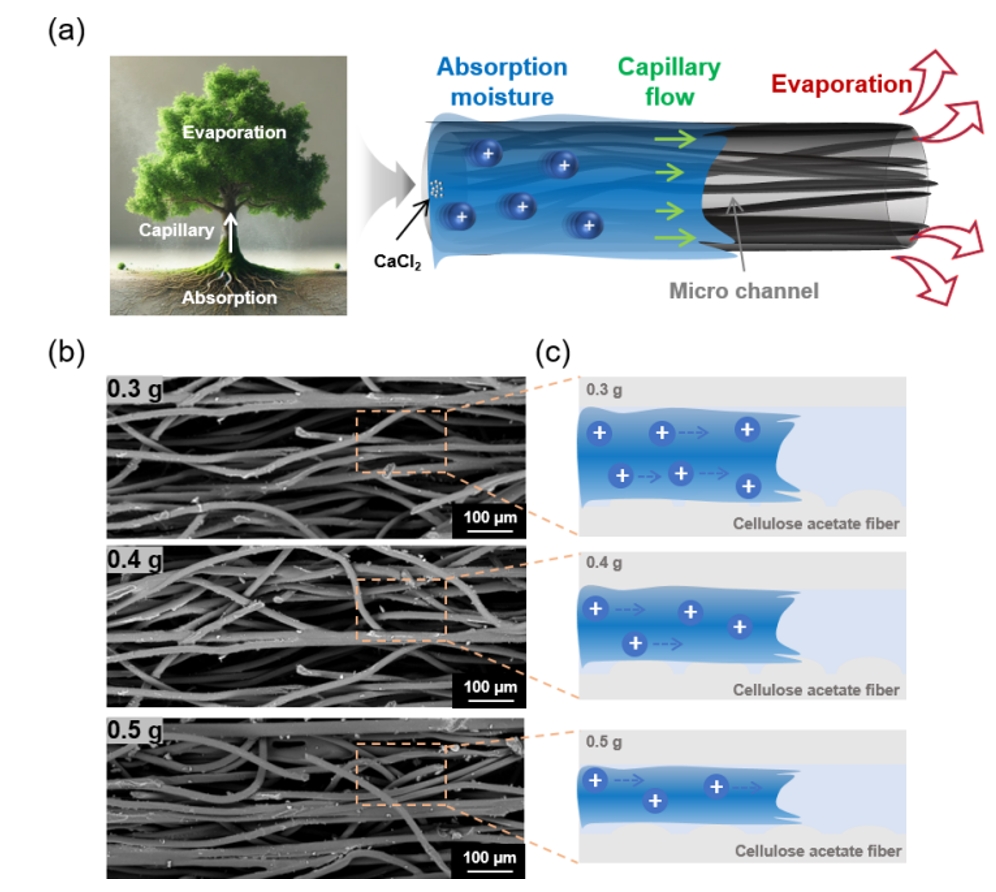
- 1,900 View
- 46 Download
- 1 Citations
-
Abstract
PDF
- Energy harvesting has become a crucial technology for sustainable energy solutions; in particular, the utilization of ambient water movement in hydrovoltaic generators has emerged as a promising approach. However, optimizing performance requires an understanding of structural factors affecting energy harvesting, particularly capillary effects. This study aimed to improve hydrovoltaic generator performance by adjusting internal fiber density, which influences water transport and ion mobility. Using cold isostatic pressing, cellulose acetate (CA) loading in a urethane mold was varied to optimize internal density. As CA loading increased, the fiber arrangement became denser, narrowing capillary pathways and reducing proton mobility. While open-circuit voltage (VOC) remained stable, short-circuit current (ISC) decreased with higher CA mass. The sample with a loading of 0.3 g exhibited the highest energy harvesting efficiency, achieving ISC = 107.2 μA, VOC = 0.15 V, and power (P) = 16.7 μW. This study provides insights into methods of improving hydrovoltaic generator efficiency through internal structural modifications.
-
Citations
Citations to this article as recorded by- Hydrovoltaic Electricity Generators: A Comprehensive Overview of Chemical and Architectural Designs
Kaiying Zhao, Shengyou Li, Minji Kwon, Gwanho Kim, EunAe Shin, Guangtao Zan, Cheolmin Park
Chemical Reviews.2026; 126(7): 4237. CrossRef
- Hydrovoltaic Electricity Generators: A Comprehensive Overview of Chemical and Architectural Designs
 First
First Prev
Prev

TOP

